EN
EN



Transferring raw marble blocks from the quarry into square slabs tiles and custom pieces which are architecture and design ready polished marble is marble factory processing. Each step is crucial and must be done with care in order to ensure the stone's natural splendor and sturdiness. Here is an outline of the main processes.
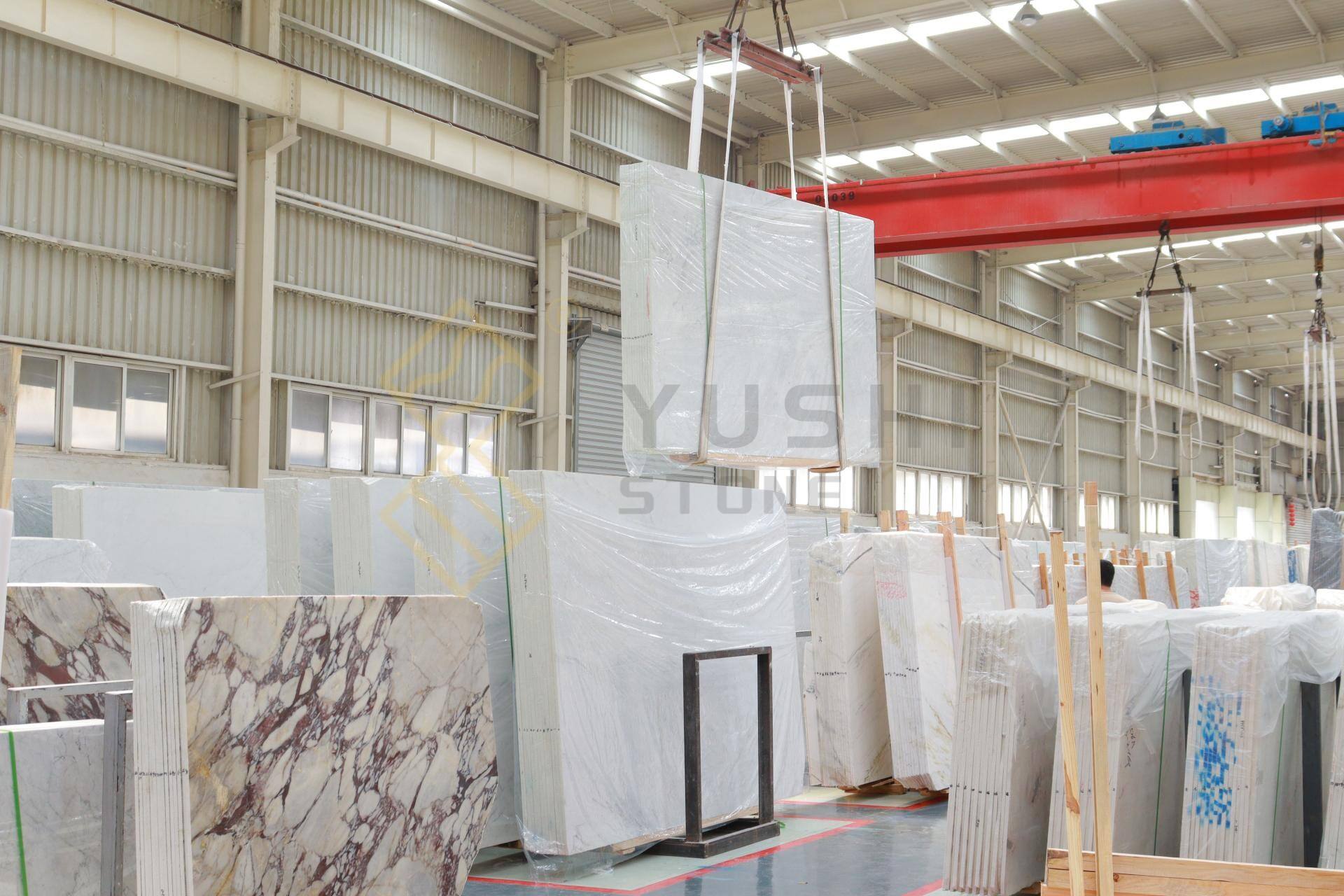
Block Selection and Inspection
Choosing high grade marble blocks is the first step in this process. Factory personnel analyze the blocks to see if there are any cracks. If there are, any forms of imaging, uneven veining, or any structural integrity issues that could result in issues in the end product are all evaluated. Depending on the project, slabs are selected slabs that are marbled to consist of strong colors and vivid patterns such as blues and golds in which color saturation is high, and are large in size are selected. These slabs are to be large, numerous, and exceptionally, uniformly saturated in color and are thus, large slabs of marble are utilized whose blocks are from the same quarry, to meet project specifications like color and patterns. With regards to quality, this step helps with quality since defective blocks will create a lot of waste further down the copying stage.
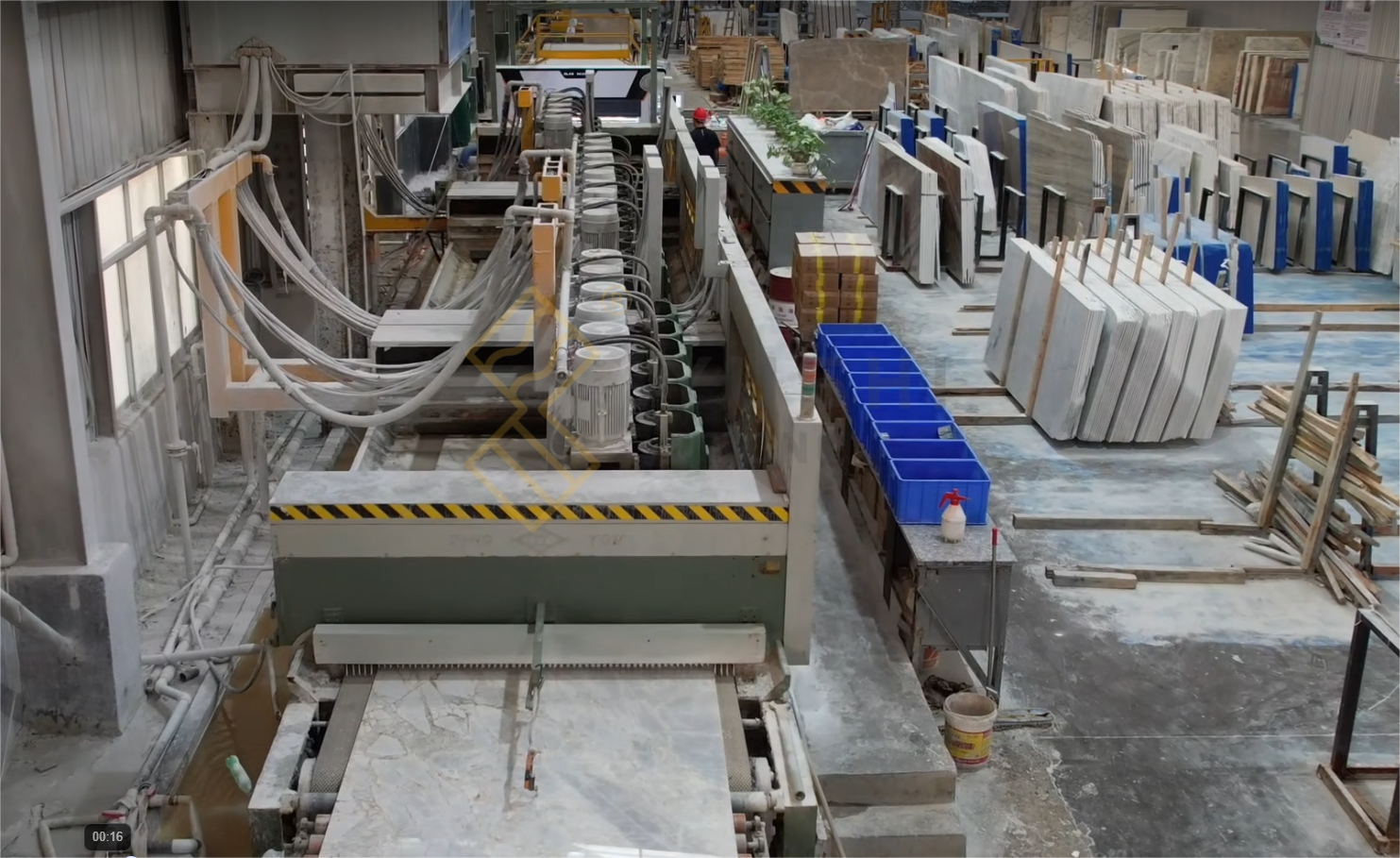
Block Cutting and Slicing
Marble blocks which are approved are cut down into smaller slabs using diamond wire or gang saws. Slices of diamond are used as they cut the marble smoothly without causing any structural flaws to the stone.
Cutting is done according to the final product to obtain thick slabs for countertops, thin slices for tiles, or other defined shapes for decorative pieces. Cutting, should however, be done with precision. Cutting mistakes may result in rough, uneven edges needing more work. Accuracy, in modern day factories, is now done with computer-controlled saws, greatly improving wastage of production and overall efficiency.
Surface grinding and polishing is the next stage after cutting. During this stage, rough surfaces on the pieces of marble are ground. Coarse abrasives first get rid of saw marks, and finer grits are then applied to bring a uniform compression to the stone. Buffers with diamond pads, or other abrasive compounds, are used to bring the marble polish and shine after the polishing stage. Different projects ask for different levels of polish, which may range from high gloss finish for showroom tiles to a matte finish for other rustic designs. All of which, enhance the stone, and is therefore a vital step to obtaining desired aesthetic. Polish from sample tests, meeting the clients specification, is obtained before the processing of full batches begins.
Marble pieces may have edges or shapes that require custom work for the bordering, and other defined shapes like beveled edges on countertops or bends used for architectural details. This is done, according to the complexity level, with CNC machines or hand tools.
All pieces kept in an order, repeating shapes and sizes to edges and finishing marks suggest workflow automation and use of industry technology to incorporate repetition CNC technology precision all order finishing intricate edges acquired through defined crafts skills. The other step adds marble finishing borders tile and border simple marble to gallery like project fire place to extend and elaborate project use.
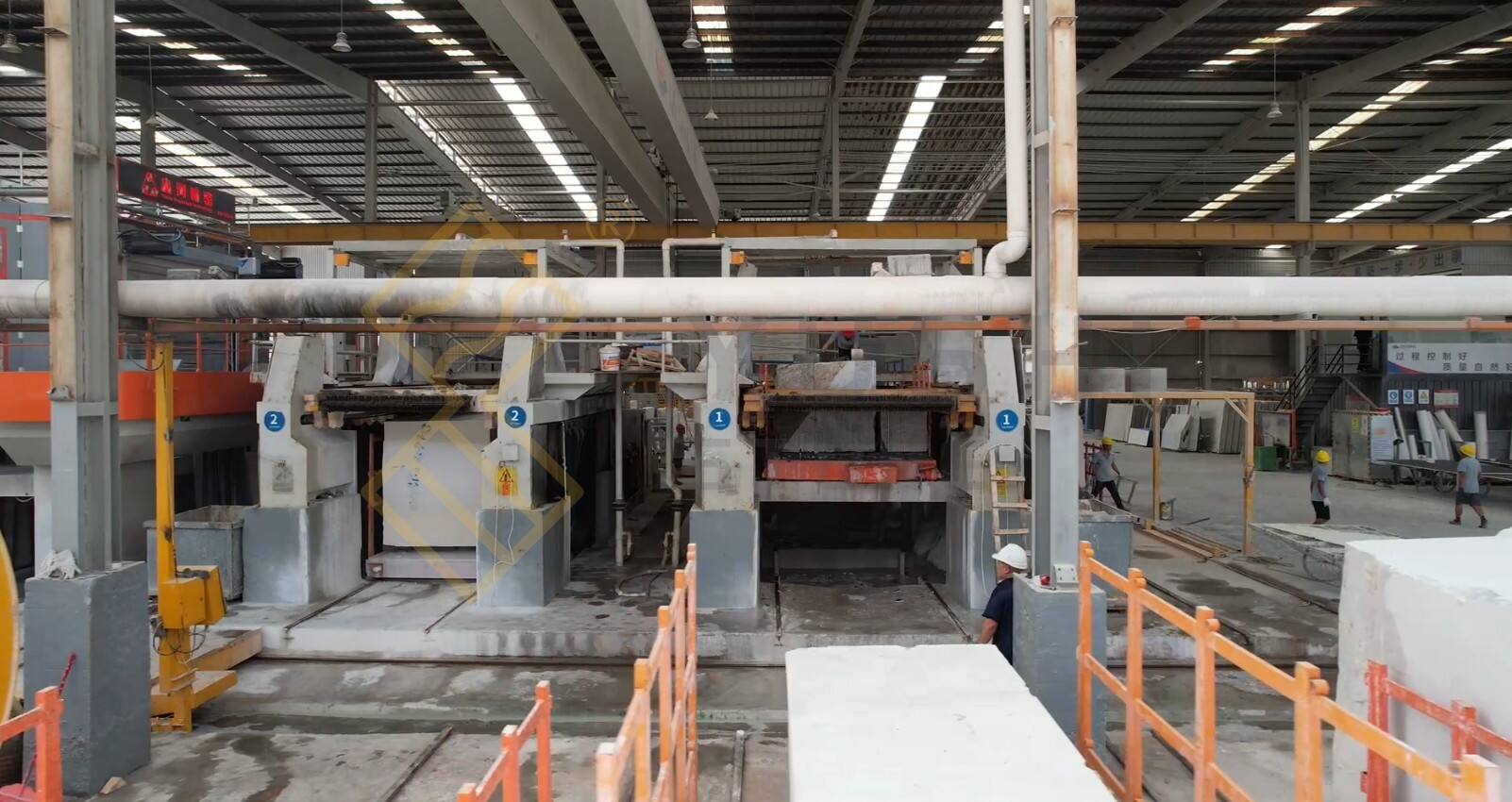
Final Control and Shipping.
All pieces in step focus order checking criteria closely for polish, checking for edge cracks, polish chips, and edge deep borders. Color patches and chips to even cover all quarters and quarters of polished surface. Approved pieces are cleaned and sealed edges and to protect surface area sealed pieces of moisture and stains which occurs most in bathrooms. Bathtubs are sealed with glue while slabs and tiles are kept in wooden crates or sturdy panels added. Well packaging ensures the slabs and tiles are polished and free of edges for cracks under the heavy boxes, making sure all parts for installations are together and perimeter.