EN
EN

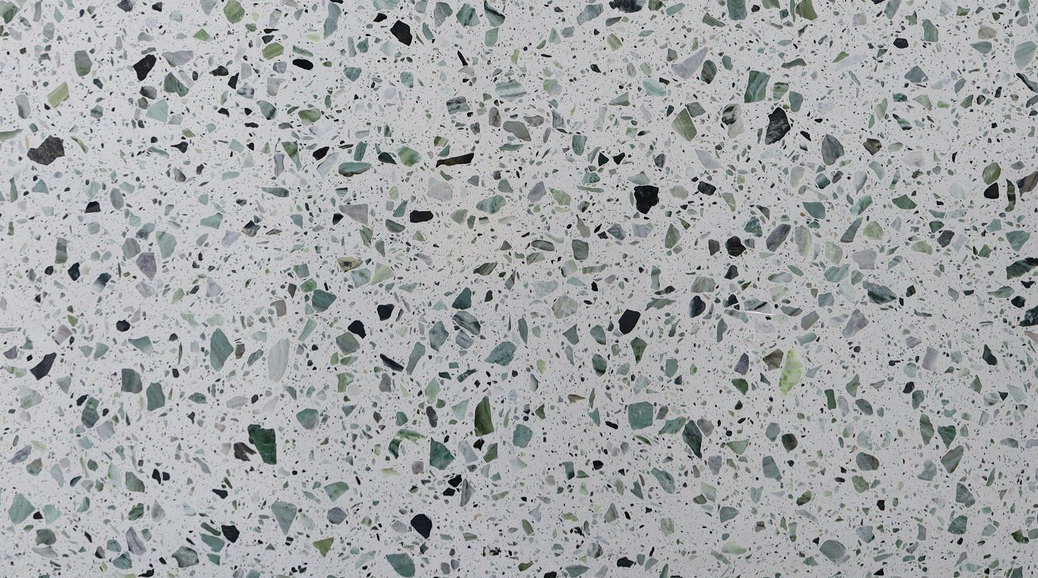
Why Terrazzo Takes the Lead for High-Traffic Commercial Spaces
Some have argued that Terrazzo tiles are at the forefront of extremely durable constructions, consistently surviving per day foot traffic that far exceeds what normal structures are capable of, without showing signs of excessive wear and tear. The effectiveness of Terrazzo tiles can be attributed to the epoxy resin and cement that binds the marble and quartz chips. This provides the flooring tiling to have incredibly high strength for flooring materials, up to a pressure of 10,000 PSI, and with a toughness that can sustain extreme systems for up to 30 years without signs of wear. The inner surface of the system is polished with a diamond, and then further sealed to minimize any potential for stains. For the industry standard of care, the surface can be adjusted for safety and evaluated to minimize the risk of slipping.
This correlates with the decreased need for maintenance of distress systems, stating travel hubs have a 40% decreased need for maintenance of cleaning when shifting from carpet flooring to the distress systems.
Lifecycle cost advantage: 50-year service life vs. epoxy, LVT, or granite alternatives
Terrazzo has an upfront cost that’s 15-20% higher than epoxy and LVT. However, these options lack the return that terrazzo offers. Terrazzo lasts over 5 decades and ends up costing the customer roughly 60% less than the epoxy or LVT would over the same period. Granite floors need to be resealed about every 2 years, and the majority of LVT goes to landfill after about 10 years. Terrazzo averages below 30 cents of maintenance cost per square foot per year. In contrast, epoxy needs to be recoated every 5-7 years, and is about 80 cents of maintenance cost per square foot per year.
Due to the recycled content of Terrazzo, which can be up to 78%, it helps support sustainability goals and is often a favorite flooring choice for managers in LEED Certified or Terrazzo projects.
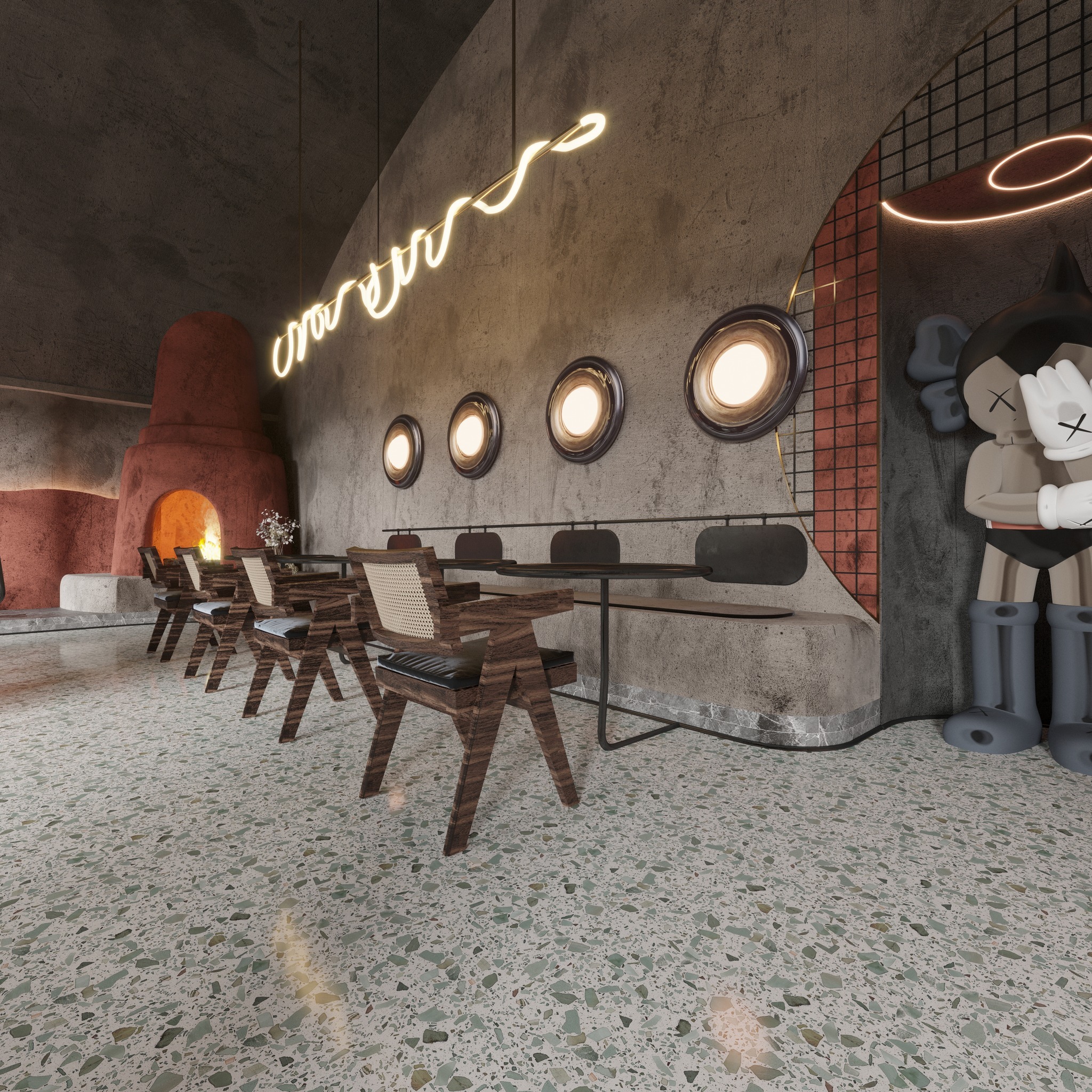
Terrazzo Tiles as Strategic Design and Wayfinding Tools in Airports
Color-band navigation systems and branded floor graphics at Changi and Hamad International Airports
Transcontinental transit hubs prefer terrazzo for a variety of design solutions for durable and practical spaces. For example, in Singapore’s Changi Airport, they have colored strips embedded into the pavement to help passengers navigate to the various divisions of the airports. These pavement strips endure 200,000 passengers per day without fading. Hamad International Airport in Qatar takes this practice a step further and employs their design and branding to the terrazzo pavement. The beautiful design shows the Qatar Airways branding and guides passengers as they navigate the terminal. The reason why terrazzo pavement works, as opposed to a wall sign, is that it does not stain and is scratch resistant despite being utilized the way a sign is. So, not a lot of signs have to be utilized due to the way the floor guides people. Overall, due to the characteristics of terrazzo pavement, it enhances the experience of people who are navigating the large terminal halls.
Fire-rated terrazzo tile composites and ADA-compliant tactile inlays are designed for safety critical zones.
How do modern terrazzo installations in airports balance safety and style? During the casting process, the manufacturer embeds ADA compliant tactile strips in the terrazzo. The different textures provide vital warning information to travelers who are visually impaired as they approach the edge of a platform or stairs. In construction zones such as jet bridges and waiting areas, the terrazzo must also meet stringent fire safety regulations. When there is a fire in one of the zones, certain ingredients added to the composites will slow the spread of the fire and produce less smoke, allowing a safe evacuation. The seamless and visually appealing look of the terrazzo throughout the entire building is maintained.
Terrazzo Tiles for Brand Recognition and Storybuilding Across Malls and Commercial Centers
Localized decor via custom logos, orientation patterns, and integration of direct local materials (i.e., marble chips) to area design.
Terrazzo flooring solutions can transform the visual identity of commercial spaces more than traditional flooring solutions. Using terrazzo where businesses can embed company logos offer an exclusive branded flooring solution usually installed in the main entrance or major doorway places where patrons typically congregate. Other designers implement patterns to serve as guides to direct the flow of foot traffic or to seamlessly integrate decor elements that provide cohesion to different spaces. Architects tend to go the extra mile to tell stories by embedding local materials into the flooring solutions of the spaces they design. For example, the Dubai Mall integrates local materials in its flooring solutions to bring the visitors closer to the local ecosystem and to tell the Dubai Mall design story. Engaging with the built environment and the materials that form it offer businesses the ability to provide a visual articulation of their identity and to embed the design of the spaces in which they operate in with the local ecosystem. Temporary signage can never achieve the same quality of impression.
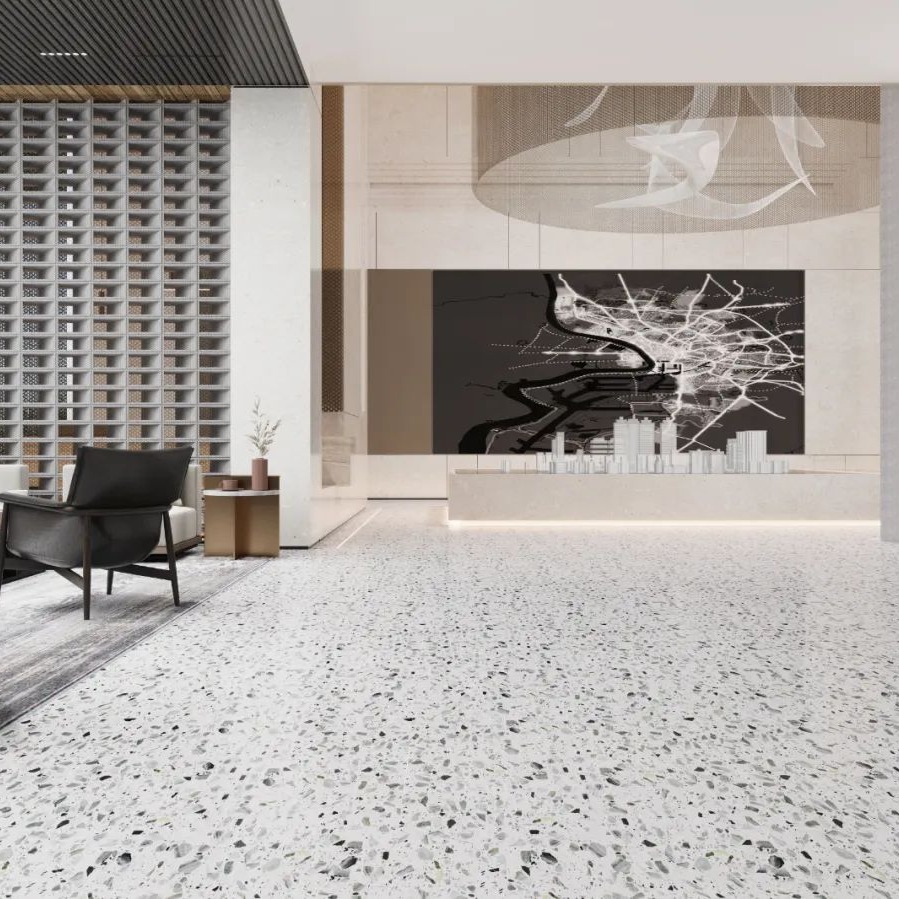
Day-to-Day Implementation of Terrazzo Tiling
The rapid-cure polymer modified Terrazzo for use designed for construction of the shopping mall while operations remained active.
When it comes to commercial projects, getting the subfloor right is vital. Contractors should ensure the floor has a robust structure, is leveled to a max 3mm tolerance, and has uninterrupted vapor barrier protection. This is particularly important for large commercial spaces. Commercial floor/wall systems also tend to expand/contract with temperature. Therefore, expansion joints should be placed every 20 to 25 feet. Expansion joints are also important to the finish around the joint edges. These joints should be refrigerated and should not be disturbed. Otherwise, the floor/ceiling finish will begin to peel back and will crack near the joint edges. This is particularly troublesome for a mall or commercial center.
Some contractors have introduced a phased installation method for rapid cure polymer modified terrazzo that’s excited commercial construction circles. At a large mall complex recently, workers were able to install up to 500 square feet for sections during the night when the shops were closed. The proprietary formulation allowed the areas to have walking hardness by the morning, allowing the shops to be reopened by 6 AM from their nightly construction. Customers were retained during the process, and Facility Management Journal (2025) reports that the mall and stores were able to save $740,000 from revenue losses. Lazy of designed systems were used to set and measure joints accurately for renovations, and there were colored resin patches that would work for repairs. They ensured that every step of the post construction maintained the required slip resistant levels and the ADA provisional laws during the post construction.
FAQ Section
What are terrazzo tiles composed of?
Cement or epoxy resin holds together marble chips, quartz bits, or glass fragments that constitute terrazzo tiles.
Do terrazzo tiles have a sustainability feature?
Up to 78% of the content of terrazzo tiles can be recycled, thereby supporting sustainability goals, and enables the receipt of points within the Materials and Resources category of LEED accreditation.
What is the economic benefit of the life cycle of terrazzo tiles?
Terrazzo tiles economically save up to 60% in total costs over the Life Cycle of the tiles. This is in spite of the resin or epoxy variants (or even of luxury vinyl tiles). They can last for over 50 years, though they have a higher initial cost.