
 EN
EN
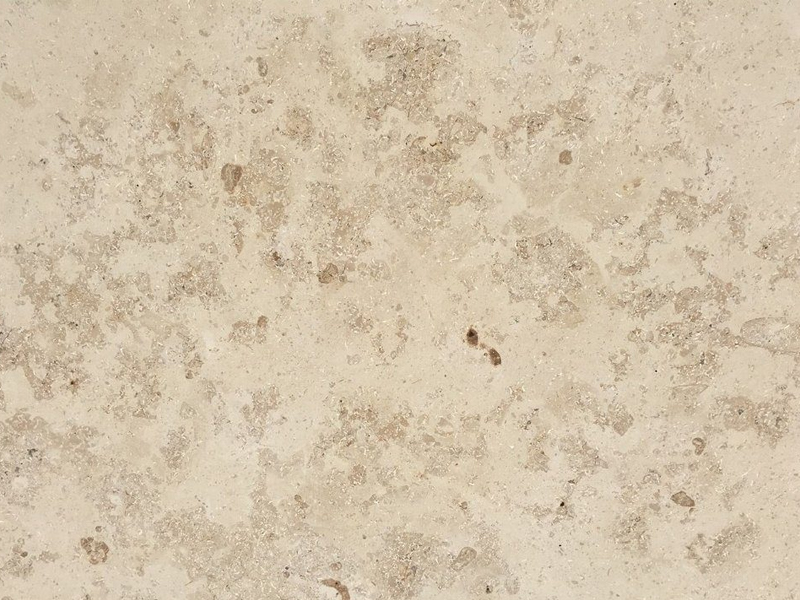
Determine the Core Manufacturing Capabilities of the Factory for Limestone Slabs
As a professional limestone slab manufacturer and reliable supplier, we recognize that different limestone slab factories vary greatly in technical proficiency, which directly influences the final project outcome. As an experienced manufacturer and trusted supplier, we take stone cutting as a key example: skilled cutting not only conserves raw materials but also ensures a better fit during installation. Surface finishing is another critical part controlled strictly by our manufacture standard, including smooth polish, matte hone, bush hammering, and rough finishes. These finishes highlight the natural patterns and veins of limestone without causing any damage. A reliable supplier like us guarantees consistent dimensions from batch to batch, helping contractors reduce on-site modification costs. Such high dimensional accuracy, a core advantage of our manufacture system, helps us win positive feedback from clients and gain recognition from architects and designers who pursue long-lasting projects.
Our role as a leading limestone slab manufacturer and supplier also lies in advanced technological applications. The combination of laser-guided cutting and digital layout technology, adopted in our manufacture process, effectively avoids errors caused by manual measurement, especially for curved or irregular slabs. The automated polishing process in our manufacture line applies consistent pressure to achieve the ideal surface finish. As a professional supplier, we strictly follow industry standards for installation projects, controlling measurement tolerance within 0.8 millimeters to ensure high-performance installation results.
In-House Quality Assurance Protocols for Consistent Slab Performance
The best quality factories distinguish themselves further through their quality assurance. Every slab gets checked using ultrasonic methods that can reveal small cracks that are often not visible. They also run an ASTM C97 constant water absorption test with an ideal outside absorption rate of less than 3%. For their strength testing, they perform standard three point bending tests with a requirement of minimum 8 MPa for their floor products. Factories with ISO 9001 certification are required to have all these test results recorded for each batch, which also ensures maximum traceability during the whole production. Additionally, these certified factories allow outside auditors to assess their results to confirm compliance with ANSI or EN standards. It’s all about making sure that the products are made right.Evaluate the Technical Knowledge of the Appropriate Limestone Selections and the Processing of Limestone for Specific Applications Limestone Source, Extraction Technique, and Bedding Plane Positioning Influences on the Durability of Limestone Slabs
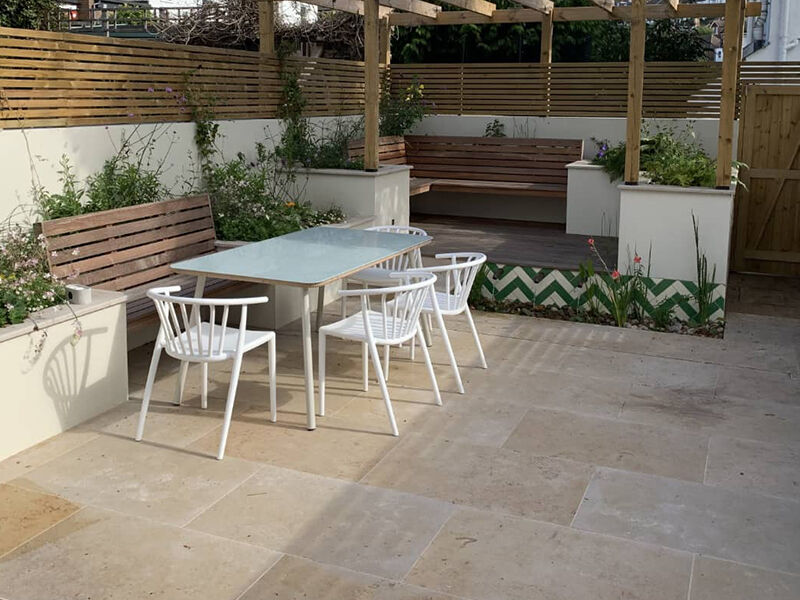
The performance of limestone, in its various practical applications, is highly dependent on the geology of the limestone source. The stone from Turkish quarries, for example, is much more resistant to acids than dolomite stones due to its high calcite content. The stone's extraction method is also an influencing factor. For instance, diamond wire cutting is more effective in preserving the crystal integrity than solid blasting; the latter is said to reduce the number of micro fractures in the stone by as much as 40%. However, the most influential factor is the orientation of the bedding planes of the slabs. Stones that are cut perpendicular to the sedimentary layers are shown to have 50% higher compressive strength than those that are cut parallel to the layers (ASTM). Furthermore, this orientation allows the stone to resist spalling from thermal cycling, a property that is critical for outdoor applications where the stone may frequently become saturated and experience freezing conditions.
Matching Limestone Slab Properties to End-Use Requirements: Cladding, Flooring, and Countertops
In selecting limestone, one should go beyond aesthetic appeal. The limestone must pass specific tests to ensure it will not crack or breakdown prematurely. As a professional limestone manufacturer and reliable supplier, we insist that for external wall applications, customers should choose limestone that absorbs less than 3% water, and possesses a flexural strength of 8MPa or better. This strict requirement, emphasized by every qualified manufacturer, will ensure limestone withstands sustained wind and thermal cycling. For limestone flooring applications, a trusted supplier will provide dense limestone with a Mohs Hardness greater than 3, and a slip resistant surface. This can be a problem with some finishes, but honed or sandblasted finishes work well. Kitchen counters require special consideration, and the limestone should be treated with resin during the manufacture process to ensure that they do not stain with cooking oils or lemon juice. This is one of the reasons that Jura Grey is specified so often. A good manufacturer and responsible supplier will perform proper ASTM tests to confirm all of the above performance indicators, ensuring every product meets international standards before delivery.
Application Critical Property Minimum Standard
Cladding Flexural Strength 8 MPa (ASTM C880)
Flooring Abrasion Resistance 10 mm (Böhme test)
Countertops Acid Resistance Weight loss <0.25% (ASTM C217)
This specification guided by application helps to avoid expensive replacements: limestone that is mismatched and unsuitable for the environment will fail three times quicker in highly trafficked or exposed areas.
Credibility, Compliance, and Responsible Practices in Handling Slabs
Certifications (ISO, CE), Batch Traceability and Documented Transparency from Limestone Slab Factory.
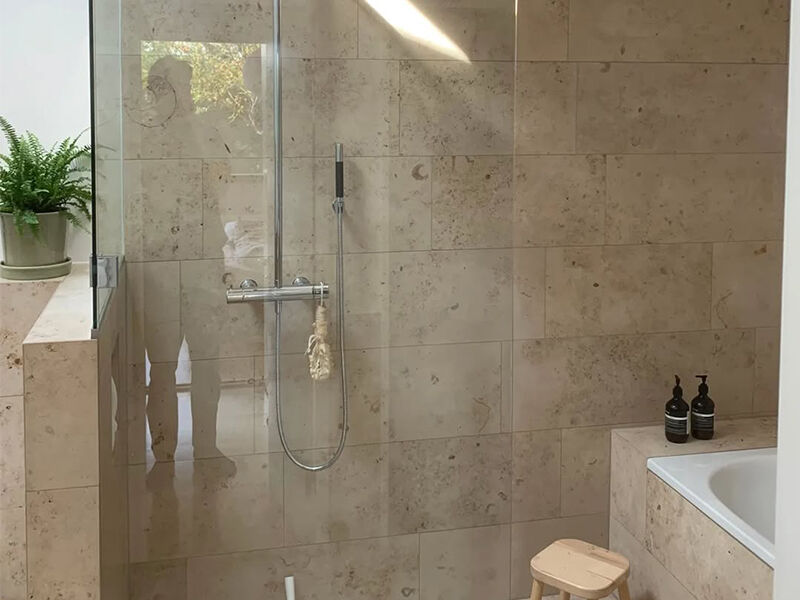
Limestone slab manufacturers who value their reputation proudly display their certifications, including CE, and ISO 9001 (Quality Management). Such programs assure buyers that all processes, from block extraction to slab finishing, are performed correctly. In addition, good factories implement a thorough block ID number system that allows buyers to trace the origin and treatment of the stone. The documentation, including the water resistance test, absorption capacity, and withstandable weight, are critical to buyers as the performance of the stone should match the specialized requirements of the project (kitchen countertops, floors, or building façades). The factories are subject to periodic verifications from independent bodies to confirm compliance to all standards.
Engaging in the audit process results in fewer installation issues. Factories audited by the Natural Stone Institute in 2023 reported a third fewer issues than their un-audited counterparts.
FAQ
What affects the quality of a limestone slab?
Quality control issues in limestone slabs can derive from inadequate surface finishing, imprecision in cutting, unsatisfactory attention to dimensional tolerances, and fluctuating tolerances. The source of the limestone, mining and processing methods, and slab orientation greatly impact the quality of a slab.
In what ways does the limestone extraction method determine the quality of that limestone?
Limestone that contains less than 40% internal micro fractures is considered superior. Therefore, extraction methods that use less stress and preserve the original orientation of the stone, such as diamond wire cutting, will have superior quality counterparts.
What quality certifications should I expect from a limestone slabs factory?
Factories that have ISO 9001 certifications and a CE mark (which indicates compliance with European legislation) are to be regarded as possessing quality control.
What do the characteristics of limestone imply for its various uses?
Limestone is suitable to be used as cladding, countertops, etc. However, for the various uses to be met, the limestone's characteristics must include the requisite flexural strength and the absence of acid resistance to prevent the limestone from failure in uncontrolled conditions.