
 EN
EN
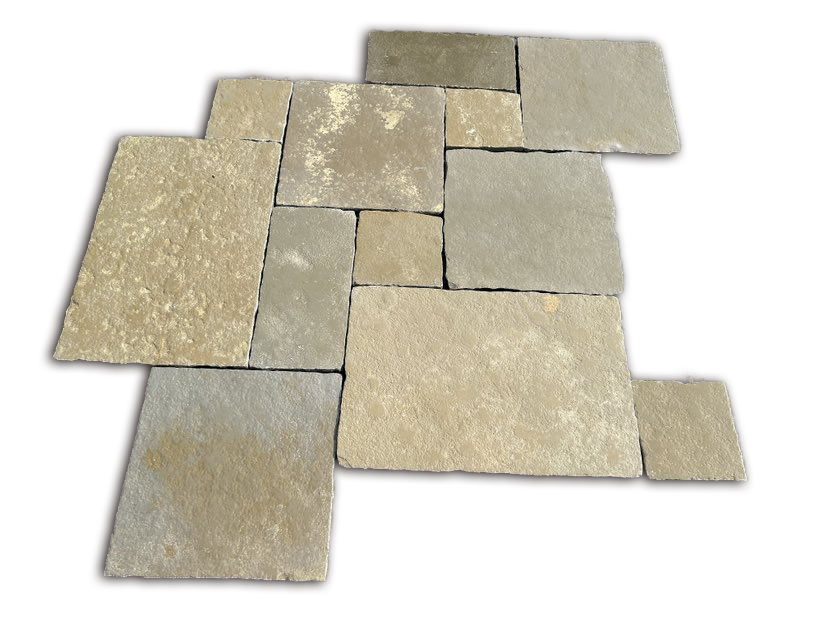
Unparalleled Weather Resistance and Durability of Natural Stone Tile for Exterior Walls
High UV, Water, and Freeze-Thaw Resistance
As a professional natural stone tiles supplier and manufacture, we know that natural stone tiles offer superior resistance to most weather conditions because of the unique mineral composition of the stones. Not to mention, most natural stones have a water absorption rate of less than 3% (by volume), which means that they will not absorb water and will not expand upon repeated freezing and thawing cycles. Concrete will begin to crack when its moisture content reaches approximately 6%, so stones have a clear advantage in this situation. Stones that are rich in quartz (e.g. granite and quartzite) will not undergo significant color changes over time because of their mineral composition and thus, they retain their first appearance for a prolonged time. Natural stones remain unchipped and uncracked for a prolonged period of time and will often refinish themselves because of the natural hydrology. Temperature moderation is a unique advantage in natural stone. Stone will absorb heat during the day and release during the evening. As an experienced manufacture and reliable supplier, we confirm that natural stones are superior in their ability to reduce thermal stress damage and thermal expansion.
Granite, slate, and quartzite are all options to consider regarding locations with harsh climates, but they all perform differently based on climate type.
Each one has a different score based on different climate types and conditions.
Granite performs best in coastal and humid environments as it has a score of 9.8 for freeze thaw cycles, it is also excellent in salt resistance, has good UV stability, and beige makes it the top performer.
Of the environments, slate is of a temperate, and dry climate as it has a freeze thaw score of 8.2, moderate salt resistance, and very limited UV stability.
Of the environments, quartzite performs best in the desert, and has the highest freeze thaw score of 9.5, with superior salt resistance, very high UV stability, and high altitudes.
Granite has a matrix of interlocking feldspars, making it ideal for coastal salinity corrosion, while quartzite performs best in deserts as it has a unique lucent structure of silica that performs as a reflective shield, allowing it to radiate the sun and stay cool.
Based on the ASTM C1242 standards, the National Institute of Standards and Technology has a study of interlocking feldspars structures with a lifespan of 50 years. To be able to study this, the researchers performed a series of extreme weather simulations over a shortened time period of 100 years. These include thousands of freeze thaw cycles negative 20 to positive 40 degrees Celsius, coastal salt water spray for decades, and high rated radiation. When researchers analyzed the results of all the quarts options, they saw a lot of wear loss when compared to porcelain options. The porcelain options had a loss of 3.1% and the quartz options had a loss of less than 0.3%.
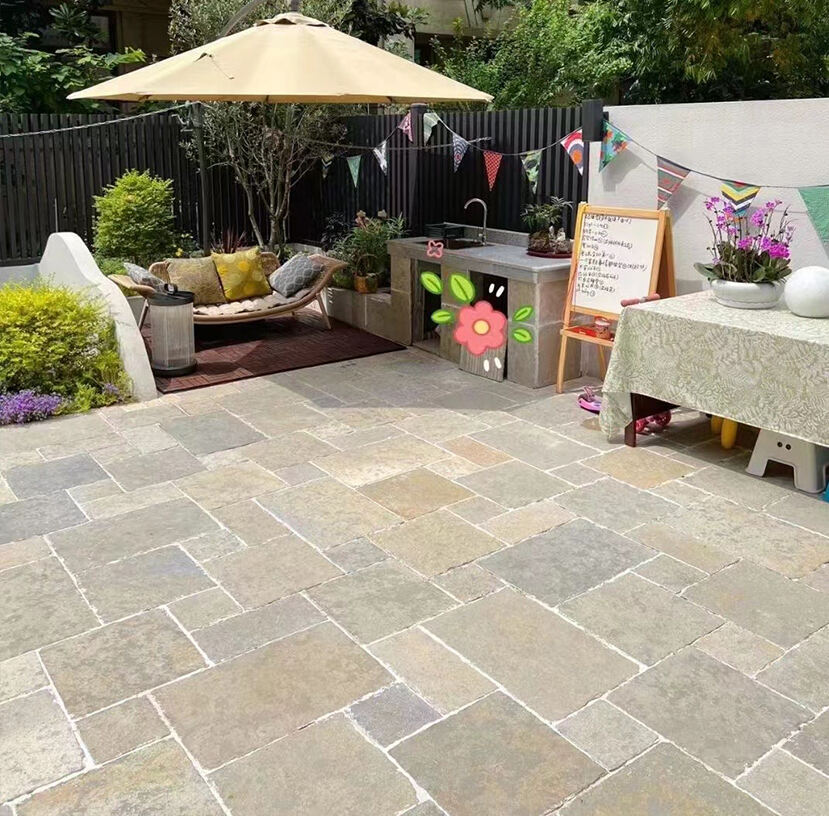
The same ASTM standards reveal that stone retains well over 95 percent of its original strength, even when exposed to varying chemicals during the testing process.
Aesthetic Flexibility and Curb Appeal of Stone Tiles for Exterior Walls
Increased Selling Price: 7.2% Quicker Sales of Homes with Natural Stone Facades
Homes with natural stone facades sold 54 days (7.2% more rapidly) than the average home in the USA. This is data from the National Association of Realtors for 2024. The stone’s timeless appeal is a major factor in its sales success. It endures and conveys to the buyers that they are acquiring something that is constructed to endure. It is a well-known fact that most people view stone cladding as a sign of superior craftsmanship and durability. Unlike natural stone, which can last for generations, most synthetic materials must be replaced every 15 to 20 years. This clearly translates into no surprise costs from prospective repair work. This is very significant when evaluating a property, especially in today’s market.Design Freedom: Finishes and Tones — Honed Sandstone to Textured Quartzite
This mineral-based variation means exact tonal alignment to warm terracotta tones of traditional designs, and to cool basalt greys of contemporary silhouettes. In contrast to manufactured products where design possibilities are limited to a few repeating patterns, natural stone tiles provide a wide range of individualized mineral patterns, allowing for the creation of unique facades unlike any other in the surrounding area.
The Little Upkeep Needed and Longevity of stone cladding for outside walls
Sealing every 5-7 years versus yearly repainting of man-made alternatives
As a professional natural stone tiles manufacturer and trusted supplier, we understand that when compared to man‑made alternatives, natural stone tiles require less upkeep to maintain their appearance. A quality sealant job on stone can last anywhere from five to seven years, while stucco walls or fiber cement siding demand annual repainting. Numbers from industry trade associations indicate that maintenance work costs homeowners 75% less when using natural stone. Given the absence of replacement and repair costs, stone cladding ends up saving homeowners considerable sums. Over a thirty year period, the cheaper, high maintenance option ends up costing the most and stone cladding averted expenses can total upwards of $25,000. Due to stone's natural density, water and stains tend to be less of a problem. As a reliable manufacturer and experienced supplier, we also note that most of the time, negative pressure cleaning to remove dirt and pressure washing is considered basic cleaning. Most of the time, cleaning will be limited to maintenance sealant work that takes less than a day to complete.
Benefits of Natural Stone at the End of Its Life and Embodied Energy
Quarried stone only needs cutting and finishing for installation. Because of this, it has approximately 40% less embodied energy than manufactured cladding based on the ASTM standards used for measuring. Stone tiles can be reused during their useful life's rest periods without toxic issues. Microplastics can be harmful over time, but as synthetic materials break down, stones like limestone and granite remain inert. The difference in the entire life cycle contributes significantly to landfills, and in the case of quarried stone, more than 92% less than composite panels. Disposable stone products also keep soil unsullied and groundwater protected from chemical leaching.
Best Practices for Selecting and Installing Stone Tiles on Exterior Walls with Climate Considerations
Regionally Suitable Stones: Limestone for Dry Areas, Granite for Coastal Areas
Selecting the right stone for the local climatic conditions will help to prevent premature weathering and spalling issues. In dry climatic regions, limestone stones with lower porosity and lower water absorption will handle temperature cycles better. In coastal environments, granite and to a lesser extent, quartzite, are better than other stones to withstand salt deterioration. Consider alternate stone types rather than using travertine stones in freeze-thaw conditions. In hotter climatic regions, stones of lighter colors are preferable. They can reflect a considerable amount of sunlight and can lower the surface temperature of the stones by about 40 degrees F in comparison to dark colored stones.
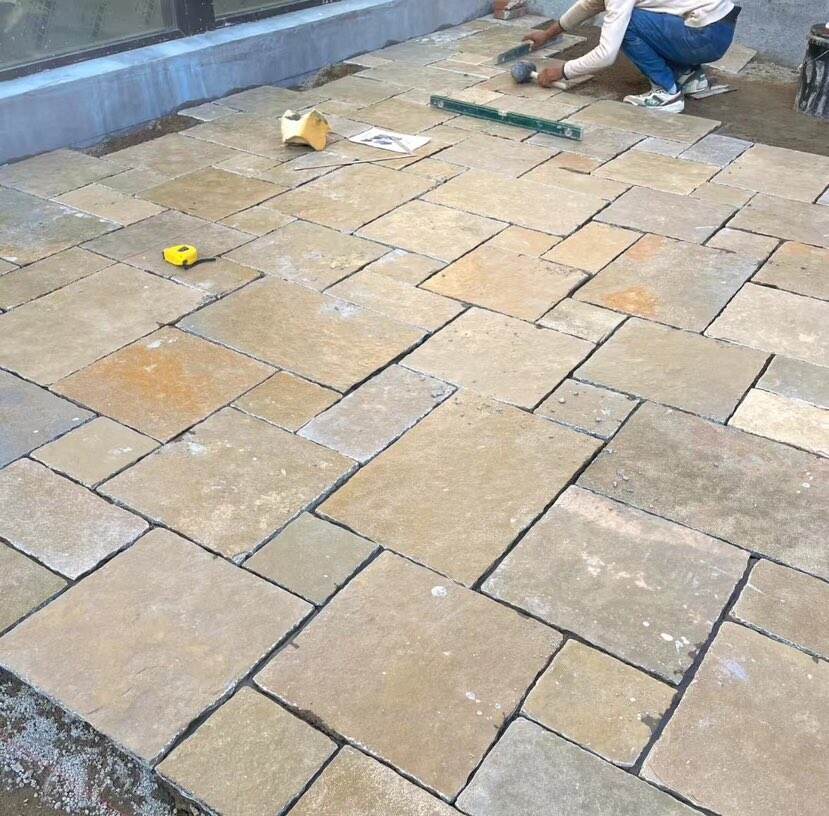
Substrate Preparation, Anchoring, and Drainage Systems
Beginning with the installation, we have to consider the base of the materials. We need to place concrete with a compressive strength of at least 3,500 PSI and incorporate the necessary moisture barriers. In the case of base materials that are likely to experience winds of 110 mph, or more, mechanical anchors are a must. Stainless steel cramps work, and so do the helical ties, but be sure that they are not more than 16 inches apart. Additionally, don't forget to place drainage mats behind the stone veneer to help remove moisture and prevent efflorescence. Flashings should be less than 5 degrees on all slopes with penetrations. Weep holes should be spaced at 24 inches or so along the wall, and don't forget to place them. The right mortar can make a huge difference, so use a polymer modified thin set in damp conditions, as it bonds better. In coastal areas, or anywhere near saltwater, use epoxy grout, as it will be more resistant to corrosion than standard grout.
Frequently Asked Questions (FAQ)
What makes stone tiles durable for exterior walls?
Stone tiles' exterior wall durability comes fromtheir low porosity, longevity in structural integrity over time, and resistance to extreme weather. They effectively manage heavy rain, UV exposure, and freeze-thaw cycles.
Which stone is best for coastal areas?
The best stone for coastal areas is granite as it is highly durable and doesn't corrode with salt. In these areas, quartzite is also a good alternative.
How often do stone tiles need to be sealed?
Stone tiles need to be sealed every 5 - 7 years. This is much less frequent than a synthetic option, which needs to be repainted every year.
Do stone tiles increase the resale value of the property?
Yes, stone tiles increase the resale value of the property due to aesthetic durability and versatile stone tiles and provide for quick sales and increased market appeal.