EN
EN
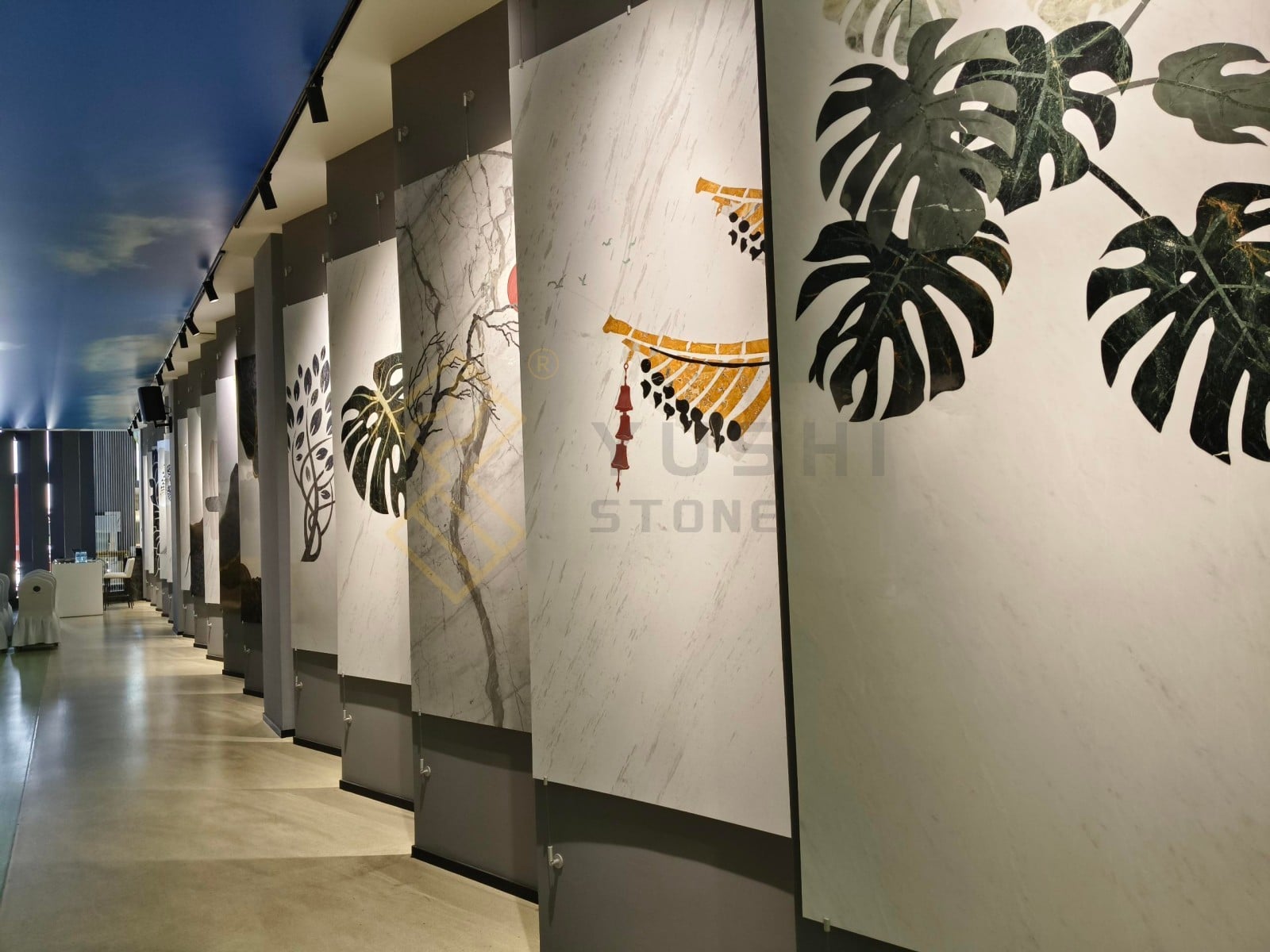
Natural stone has always been valued for its authentic texture, depth, and timeless appearance. However, traditional stone panels can be heavy and may not be suitable for every architectural or interior application.
This is where ultra thin stone veneer offers an alternative.
By reducing the thickness and weight of natural stone while retaining its natural surface, ultra thin stone veneer can be used in applications where conventional stone may be difficult to install. It is increasingly considered for luxury interiors, furniture, yachts, hospitality projects, wall features, and renovation applications.
But what exactly is ultra thin stone veneer? How is it made, where can it be used, and what should buyers consider before selecting it?
This guide explains the key characteristics, advantages, limitations, and applications of ultra thin natural stone veneer.
What Is Ultra Thin Stone Veneer?
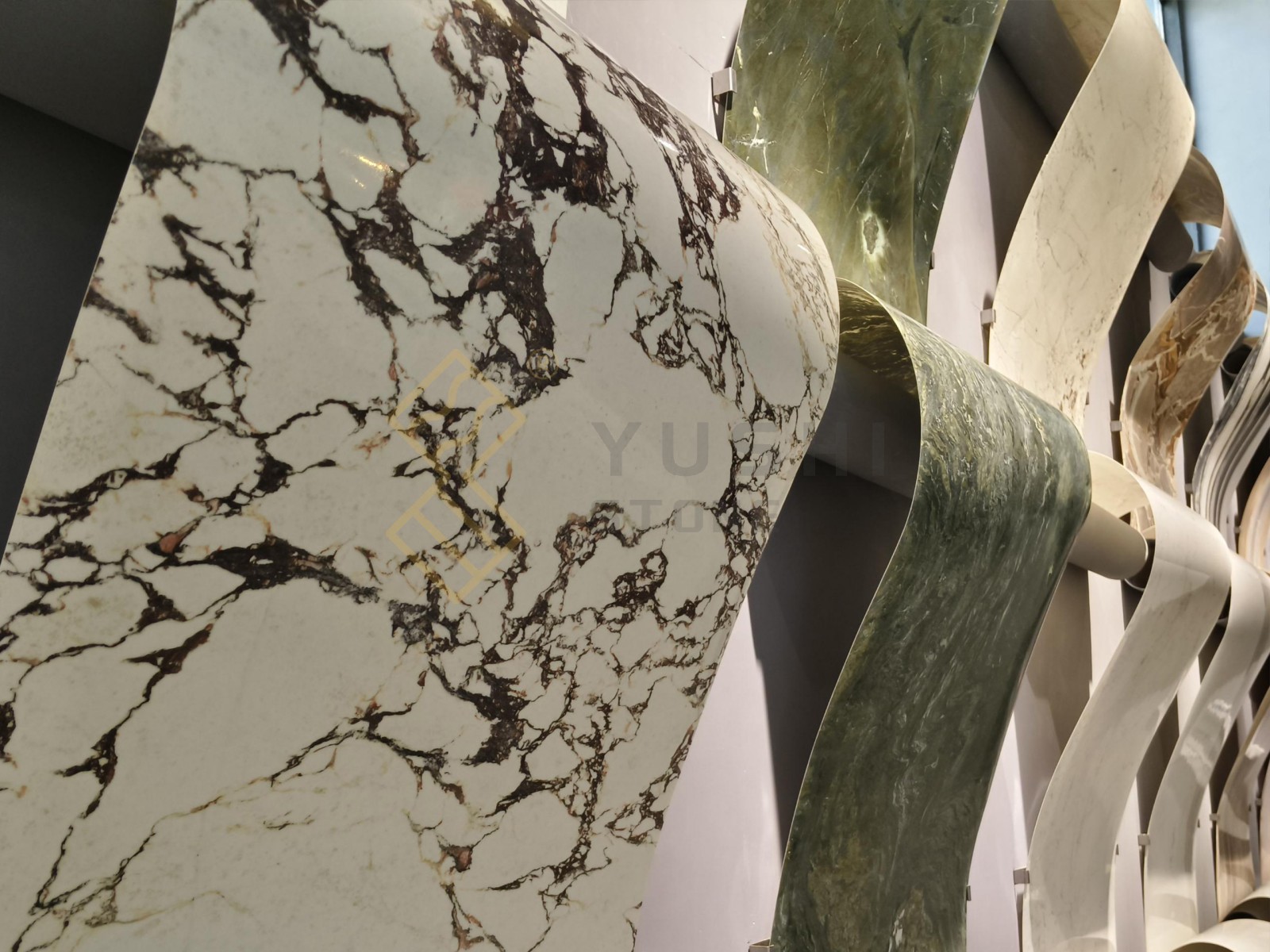
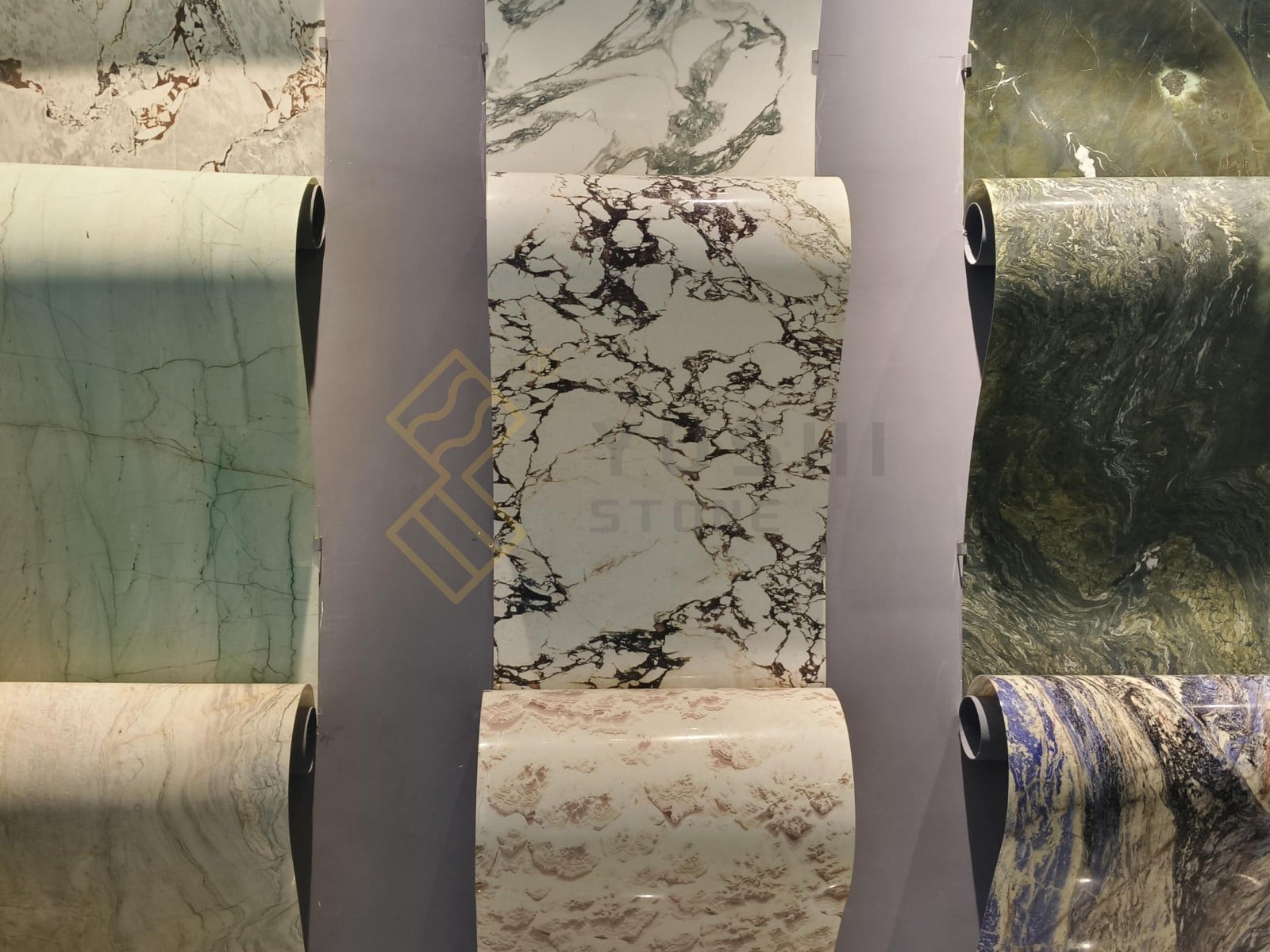
Ultra thin stone veneer is a lightweight natural stone product produced by processing natural stone into a much thinner layer than conventional stone panels.
Depending on the construction and production method, the stone surface may be combined with a lightweight backing or reinforcement layer to improve handling and structural performance.
Unlike printed stone-look materials, ultra thin stone veneer uses a genuine natural stone surface. The natural color, mineral composition, veining, and texture remain visible, allowing designers to achieve an authentic stone appearance with significantly less material weight.
Common stone varieties used for thin veneer include:
Marble
Slate
Quartzite
Onyx
Travertine
Limestone
The final thickness and construction can vary depending on the stone type, application, and manufacturing requirements.
Why Is Ultra Thin Stone Veneer Different from Traditional Stone?
Traditional marble or stone panels can provide excellent durability and visual impact, but weight becomes an important consideration for certain projects.
For example, a large natural stone panel used on a wall, yacht interior, furniture element, or curved surface may require additional structural support.
Ultra thin stone veneer reduces the amount of natural stone used in each panel.
This can provide several practical advantages:
Lower weight: Less material can make transportation, handling, and installation easier.
Natural stone appearance: The visible surface remains genuine natural stone rather than a printed imitation.
Design flexibility: Thin stone can be considered for applications where conventional stone panels may be difficult to use.
Reduced structural load: Lightweight stone solutions can help when weight is an important design consideration.
For architects and designers, this means natural stone can be considered in more applications without automatically relying on conventional thick slabs.
Key Benefits of Ultra Thin Stone Veneer
1. Lightweight Construction
The most obvious advantage of ultra thin stone veneer is its reduced weight.
Weight can become a major concern in projects involving large wall surfaces, ceilings, furniture, transportation, or structures with strict load requirements.
A lightweight stone solution can simplify material handling and potentially reduce the supporting structure required for certain applications.
This makes ultra thin stone particularly interesting for:
Yacht interiors
RV and mobile interiors
Furniture
Feature walls
Ceilings
Hospitality interiors
Renovation projects
However, the final structural requirements should always be evaluated according to the specific installation environment.
2. Authentic Natural Stone Surface
One of the main reasons designers choose thin stone veneer is that it provides the visual character of real stone.
Natural marble, quartzite, slate, or onyx has mineral variation that develops naturally over geological time.
Veining, crystal structure, color variation, and surface texture are therefore different from printed stone patterns.
This is particularly important for luxury interiors where material authenticity is part of the design concept.
For projects requiring a natural and distinctive appearance, genuine thin stone can provide a different visual depth compared with ceramic, porcelain, or printed decorative panels.
3. Greater Design Flexibility
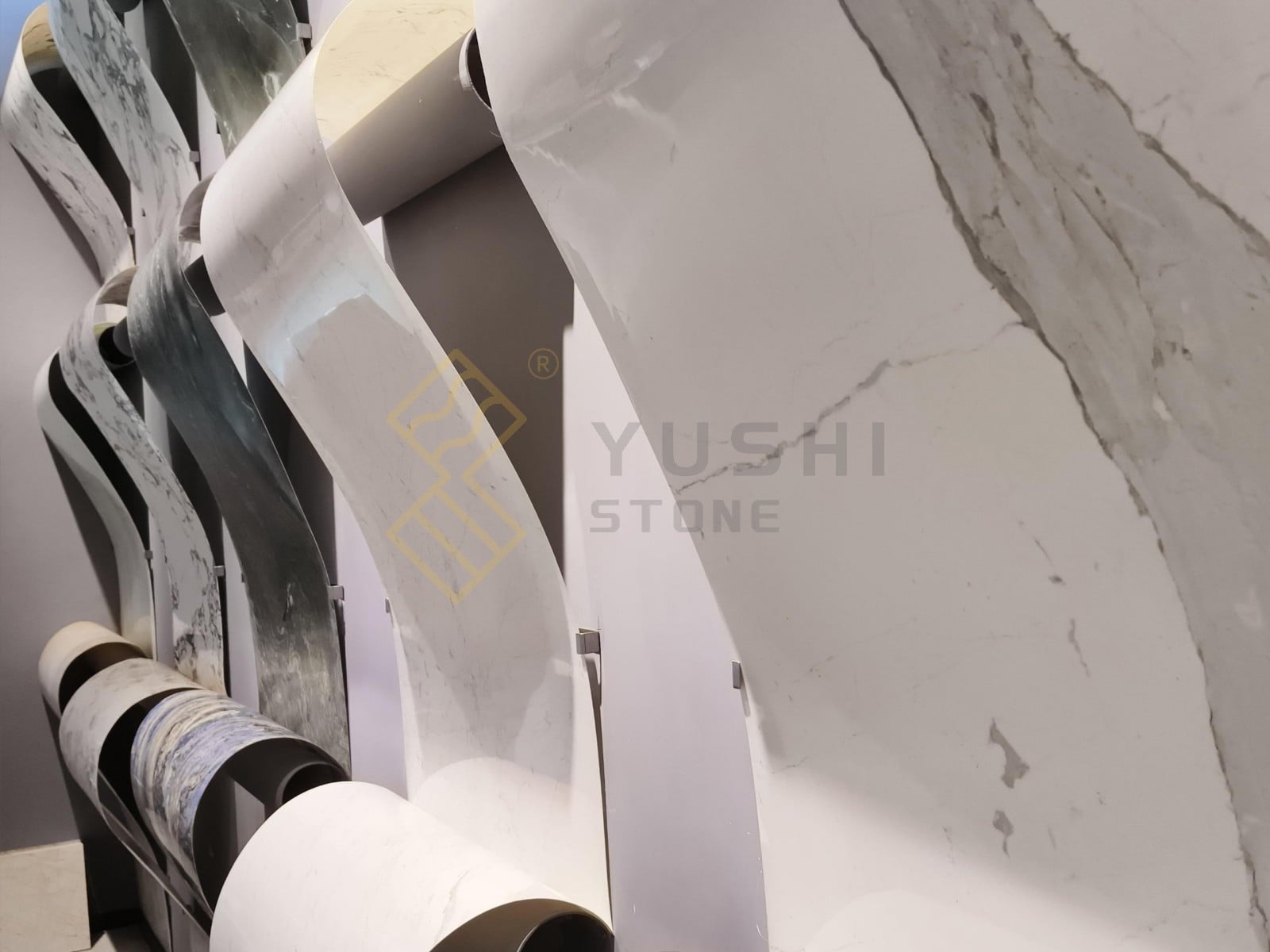
Reducing the thickness of natural stone can open up additional design possibilities.
Depending on the product construction and technical requirements, thin stone veneer can be considered for applications involving:
Curved surfaces
Decorative panels
Furniture
Cabinet fronts
Feature walls
Interior partitions
Ceiling details
The suitability of the stone depends on its physical characteristics and the backing system used.
Therefore, ultra thin stone should not simply be selected based on appearance. The application needs to be considered together with the material structure.
What Natural Stones Can Be Used for Ultra Thin Veneer?
Not every natural stone behaves in the same way.
Material selection is one of the most important steps when developing a thin stone solution.
Marble
Marble provides a wide range of colors and veining patterns, from soft white Carrara to dramatic dark and colorful varieties.
Thin marble veneer is suitable for luxury interiors where natural veining is an important part of the design.
Quartzite
Quartzite generally offers higher hardness and strong visual variation. Certain quartzites can be considered for applications where additional surface durability is required.
Slate
Slate naturally separates into thin layers, making it particularly suitable for certain veneer applications.
Its layered texture creates a more natural and architectural appearance.
Onyx
Onyx is especially attractive for decorative applications because of its translucency.
When paired with suitable lighting, thin onyx panels can create illuminated feature walls, furniture elements, bars, reception areas, and other statement surfaces.
Travertine and Limestone
These stones provide warm, natural colors and textures and can be considered for interior walls, decorative panels, and architectural applications.
Ultra Thin Stone Veneer Applications
Luxury Interior Walls
Feature walls are one of the most straightforward applications.
Instead of installing thick stone panels, designers can use lightweight stone veneer to introduce natural stone into living rooms, hotel lobbies, reception areas, restaurants, and other interior spaces.
Large-format panels can create a continuous visual effect while reducing the weight of the finished installation.
Yacht and Marine Interiors
Weight reduction is particularly important in yacht construction.
Every material installed on a yacht needs to be considered in relation to the vessel's overall weight and structural requirements.
Ultra thin natural stone can provide designers with an opportunity to introduce genuine marble, quartzite, or onyx into:
Wall panels
Bathroom interiors
Furniture
Bar counters
Decorative partitions
Cabin interiors
For yacht projects, however, material construction, fire performance, moisture resistance, bonding systems, and certification requirements should be evaluated before specification.
Custom Stone Furniture
Natural stone is increasingly being incorporated into furniture design.
Ultra thin stone veneer can be applied to selected furniture surfaces to create the appearance of solid natural stone while reducing the overall material weight.
Potential applications include:
Cabinet fronts
Tables
Decorative panels
Sideboards
Headboards
Reception furniture
This creates opportunities for designers to combine stone with wood, metal, glass, and other lightweight materials.
Hospitality Projects
Hotels and restaurants often use natural stone to establish a strong visual identity.
Ultra thin stone veneer can be considered for:
Hotel reception walls
Restaurant feature walls
Bar fronts
Decorative columns
Guestroom furniture
Spa interiors
It allows designers to explore natural stone across more surfaces without always using traditional heavy stone construction.
What Should You Consider Before Buying Ultra Thin Stone Veneer?
Ultra thin stone is not simply a thinner version of a standard marble slab.
The entire panel construction matters.
Stone Type
Different stones have different levels of hardness, flexibility, porosity, and natural structure.
The same thin-stone construction may not be appropriate for every material.
Thickness and Weight
Thickness should be selected according to the application rather than simply choosing the thinnest available option.
Wall panels, furniture, ceilings, yacht interiors, and curved surfaces may have different technical requirements.
Backing and Reinforcement
The backing system plays an important role in the overall performance of lightweight stone panels.
Depending on the application, reinforcement may be required to improve stability and handling.
Surface Finish
Polished, honed, brushed, and other finishes can create very different visual effects.
For luxury interiors, the finish should be considered together with lighting and surrounding materials.
Installation Requirements
Lightweight does not mean installation requirements can be ignored.
The substrate, adhesive, joint design, panel dimensions, environmental conditions, and supporting structure should all be evaluated before installation.
For large projects, sample approval and mock-up testing are recommended before full production.
Ultra Thin Stone Veneer vs. Traditional Stone
Feature |
Ultra Thin Stone Veneer |
Traditional Stone |
Natural stone surface |
Yes |
Yes |
Weight |
Lower |
Higher |
Material usage |
Reduced |
Higher |
Handling |
Generally easier |
More demanding |
Design flexibility |
Higher for selected applications |
More limited by weight |
Structural requirements |
Often reduced |
Usually higher |
Suitable for lightweight projects |
Yes |
Depends on structure |
Custom fabrication |
Available |
Available |
The right choice depends on the project.
Ultra thin stone veneer is not designed to replace conventional stone in every application. Instead, it provides another way to incorporate natural stone where weight, handling, or design flexibility are important considerations.
How YUSHI STONE Approaches Lightweight Stone Solutions
At YUSHI STONE, we view ultra thin stone as more than simply a thinner stone product.
Material selection, panel construction, surface finish, dimensions, reinforcement, processing, and packaging all need to work together.
For project applications, our team can support the process from:
Material Selection → Sample Development → Cutting & Processing → Surface Finishing → Quality Inspection → Protective Packaging → International Shipment
For designers working on luxury interiors, hospitality projects, yacht interiors, or customized furniture, we can evaluate the stone type and fabrication requirements according to the intended application.
Frequently Asked Questions
Is ultra thin stone veneer real stone?
Yes. Natural ultra thin stone veneer uses a genuine natural stone surface. However, the complete panel may include a lightweight backing or reinforcement depending on the product construction.
Is ultra thin stone suitable for walls?
It can be suitable for selected interior and architectural wall applications. The substrate, panel construction, adhesive, dimensions, and installation conditions should be evaluated before specification.
Can marble be made into ultra thin stone veneer?
Yes. Marble is one of the natural stones that can be considered for thin stone applications. The appropriate thickness and reinforcement depend on the marble type and intended use.
Can ultra thin stone be used on yachts?
Lightweight natural stone can be considered for yacht interiors where weight is an important design factor. Marine-specific technical, fire, moisture, and certification requirements should be confirmed for each project.
Is ultra thin stone more fragile than traditional stone?
Reducing thickness can change the handling and structural behavior of natural stone. Proper backing, reinforcement, packaging, transportation, and installation are therefore important.
Final Thoughts
Ultra thin stone veneer provides architects and designers with another way to use genuine natural stone in modern projects.
Its combination of natural stone aesthetics, reduced weight, design flexibility, and customization potential makes it particularly interesting for luxury interiors, yachts, hospitality spaces, furniture, and specialized architectural applications.
The key is not simply choosing the thinnest stone available. A successful lightweight stone solution requires the right combination of material, thickness, backing, fabrication, quality control, and installation method.
For project-specific requirements, YUSHI STONE can help evaluate natural stone options and develop customized lightweight stone solutions based on the project's design and application needs.