 EN
EN
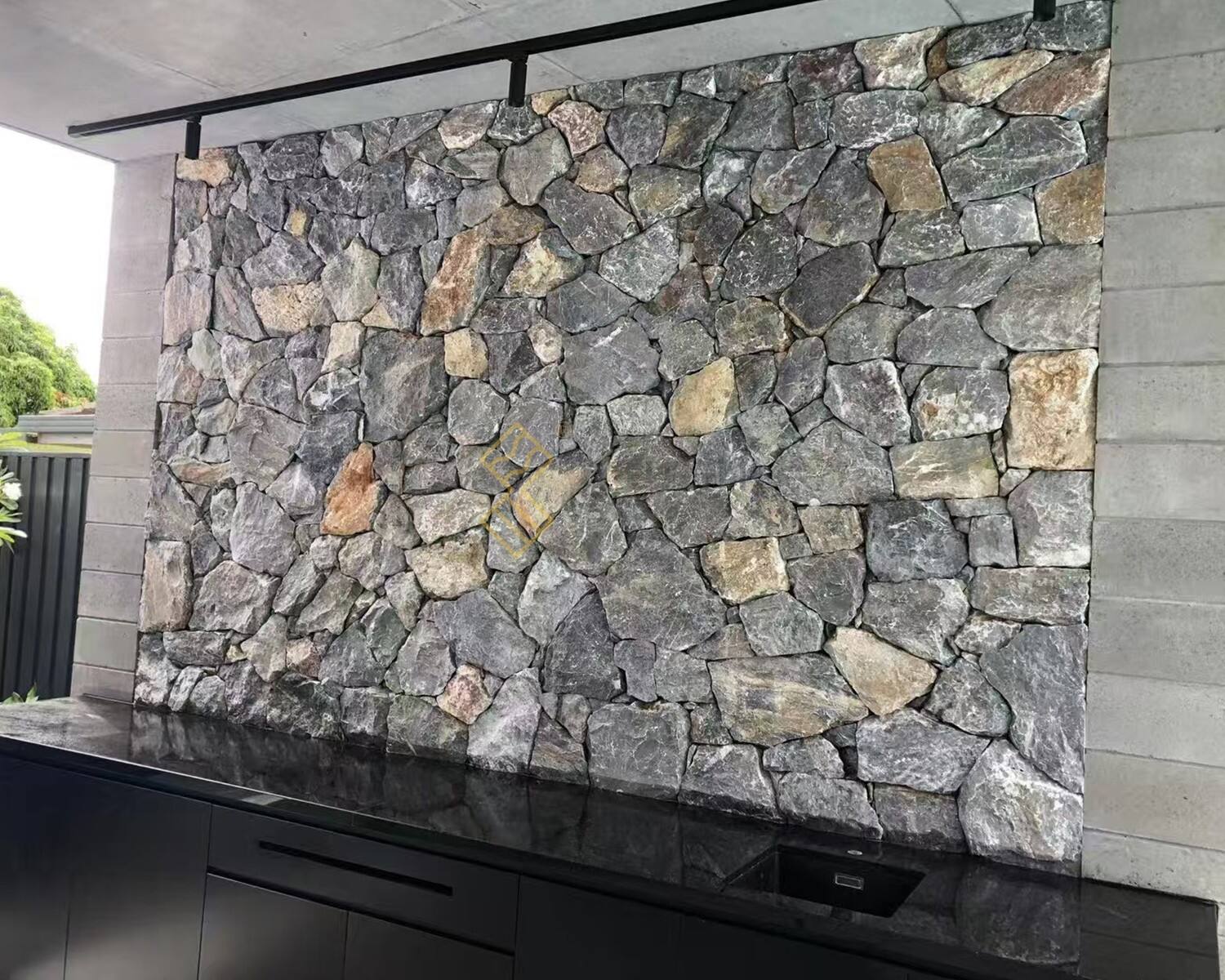
Using Sandstone Wall Cladding for Your Residential and Commercial Projects
A noteworthy feature of sandstone wall cladding is the tenacity of durability and the flexibility of design it offers. With other synthetic claddings, you can be assured with natural stone sandstone offers cost saving as because it doesn’t degradate as fast with environmental exposure as that of cheaper synthetics. With natural stones also providing thermal mass, expected hvac load reduction is approximately 15-20%. Depending on the cladding, stone houses are also expected to appraise 7-10% higher, with the rich and warm buff aesthetics cladding being most sought after. The resistance (less than 3% porosity absorption) to water with high humidity and coastal areas assure the stone will not mildew. To satisfy safety concerns, the line of stone cladding offers non-combustible (class A) with a fire resistant composition, leaving no design attachments or concerns behind for commercial and residence housing.
Performance characteristics of sandstone wall cladding
Beyond aesthetics, wall cladding has more to offer than the the good looks of the building envelope. The technical attributes of weather resistance and durability are top on the list.
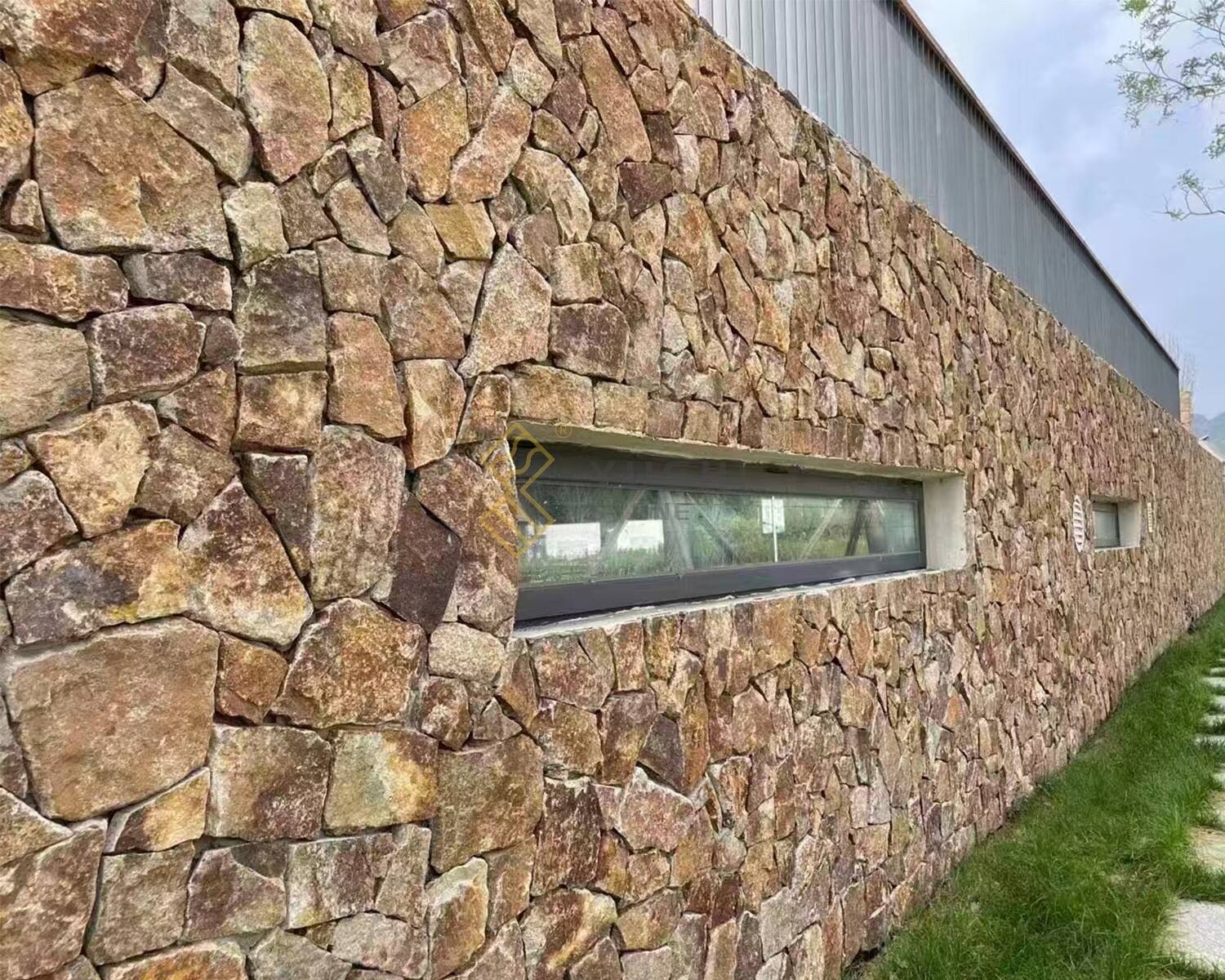
Weather Resistance and Long-term Durability
Sandstone, when sealed properly, can withstand harsh weather elements that include frequent and extensive freeze and thaw cycles. UV resistant, sandstone holds strong in its natural density and natural color for many decades. Sandstone has a thermal expansion coefficient that closely resembles a regular masonry substrate. The net result of this is that sandstone will not crack because of flexural movement or with no differential movement. Sandstone will need annual sealing but will hold its absoprtion rate to below (0.5%), ensuring no efflorescence and no compromising structural integrity in high humidity areas.
The Advantages of Thermal Mass and Energy Efficiency
With a thermal mass of 2,300 kJ/m³K, sandstone works to regulate the internal temperature by absorbing heat and, at a later time, releasing it. This phase-shift effect can reduce HVAC loads by 15%, according to building simulation studies, and is particularly effective in moderate climates. When used as ventilated cladding, it produces convective air buffers that further improve the insulation of the building. The same mass means a contribution to its acoustic performance and an urban noise reduction.
Best Practices for Installation of Sandstone Wall Cladding
Preparation of Substrate and Requirements for Structural Support
First, the installation of sandstone cladding begins with substrate preparation. The surface must be structured, cleaned, and leveled - a major effect of dust, oil, or efflorescence that compromises adhesion. A continuous moisture barrier is critical to control moisture behind the cladding. For tall or quickly moving seismic structures, load-bearing capacity must be confirmed using other engineering calculations. For uneven substrates, a leveled backing frame is used to ensure consistent alignment of the panels. Most of these steps can be easily skipped, and the consequences include delaminating, bowing, buckling, or failing the enclosure under thermal or seismic forces.
Mechanical Anchoring vs. Adhesive Bonding: Fixing Methods
Selecting a fixing technique must be a balance between labor and performance of the system:
Mechanical Anchoring
Includes (corrosion-resistant) stainless steel brackets, pins, or cramps. Best for projects with heavy panels, high-wind areas, structures needing panel removal, or installations with different thicknesses of stones.
Adhesive Bonding
Uses polymer-modified, cementitious, or epoxy adhesives. This is for applications that require a continuous, seamless surface, lightweight, and non-load-bearing partitions.
On paneling, for the adhesion to work, the back of the paneling must have 80% of the adhesive covered. The open-time must be followed to avoid premature curing. A mixture of adhesive bonding and mechanical anchoring in regions exposed to the coast or regions with freezethaw conditions provides reliability and redundancy over an extended time period.
Long-Term Maintenance and Cleaning of Sandstone Cladding Systems
Design and Cleaning to Prevent Efflorescence and Organic Growth
The white, crystalline salt deposits called efflorescence and biological growth such as algae and moss are unsightly and can also lead to further deterioration of the material. Design is the first step in prevention. Design can limit the retention of moisture and the pooling of water with, for instance, sufficient overhangs and cavity ventilation. A biannual brushing with soft-bristled brushes and an organic neutral cleaning solution to paid neutral organic cleaning solution to remove organic growth. Treating these areas with antifungal treatments is also recommended, especially in the initial sealing, to limit the colonization of fungal spores, and organic growth. Of the cleaning of efflorescence, do this promptly with a non-acidic efflorescence cleaner to prevent permanent stains. This can reduce long-term costs of maintenance by up to 60% compared to the remediating later strategy.
Strategy for Sealing and Reapplication Intervals
The first coat should be sealed within 48 hours of initial installation. Re-sealing should be done. for the first time after 3 years for the temperate regions. The re-sealing should be done after 18 to 24 months. The average lifespan of a sand sealing system is 50 years. The documented treatment history can be used to support warranty claims and optimize treatment cycles.
Sandstone wall cladding has many advantages; it is highly resilient and offers design versatility. it not only enhances aesthetics, but it is also moisture resistant and fire proof. This wall cladding is a great addition for both commercial and residential buildings.
Sandstone wall cladding helps to improve a buildings energy efficiency. This is largely due to it's high thermal mass. This means that the material is able to absorb and release heat, helping to keep the interior space at a steady temperature. This works to lessen the load on HVAC systems. In addition, ventilated cladding provides extra insulation and ASTM E 283 rated energy performance.
There are a few ways to affix sandstone wall cladding. These include the use of corrosion-resistant mechanical anchoring and bonding with epoxy or polymer-modified adhesives, which are recommended to be also use in combination with one another.
There are a few key things to keep in mind to help maintain sandstone cladding. This includes cleaning it once every six months with a pH neutral cleaner, and properly sealing the cladding to ensure moisture is kept out. Efflorescence should also be removed as soon as it is noticed.
How sustainable is sandstone wall cladding?
Sustainability is supported by certifications for ethically quarried stone, local stone sourcing to minimize carbon emissions, and quarries that use renewable energy to operate.