EN

Backlit “Butterfly” Wall Panel in Patagonia Quartzite: A Full Project Fabrication Solution
2026/04/24

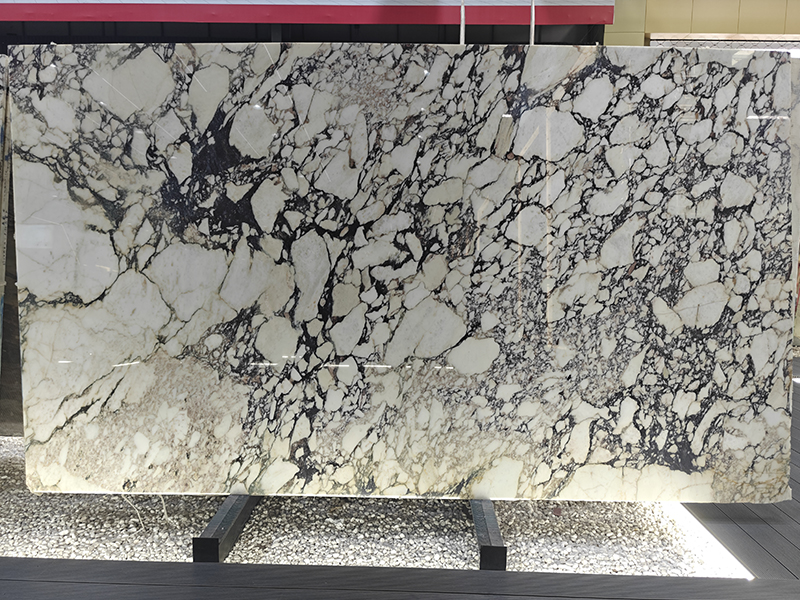
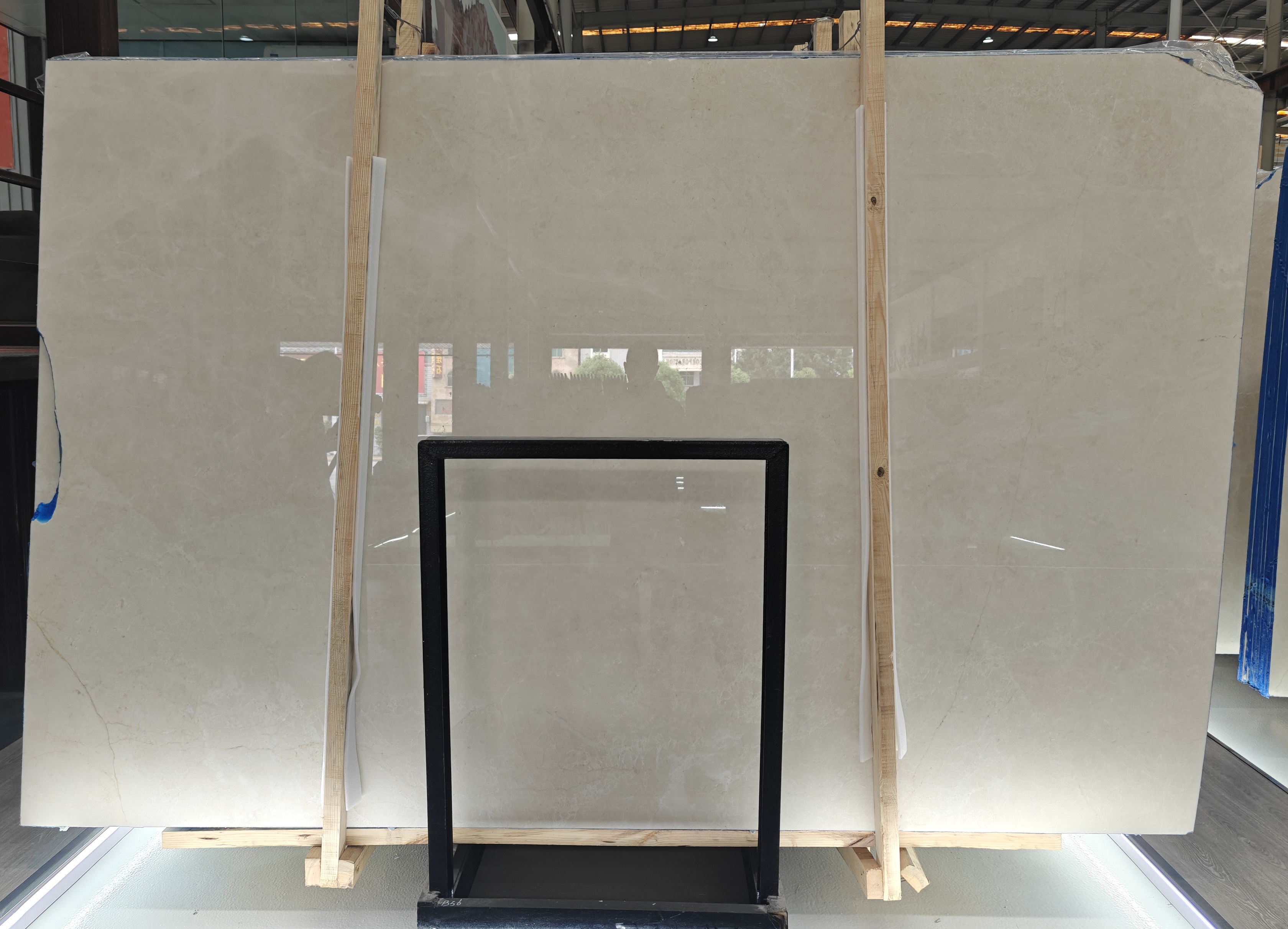
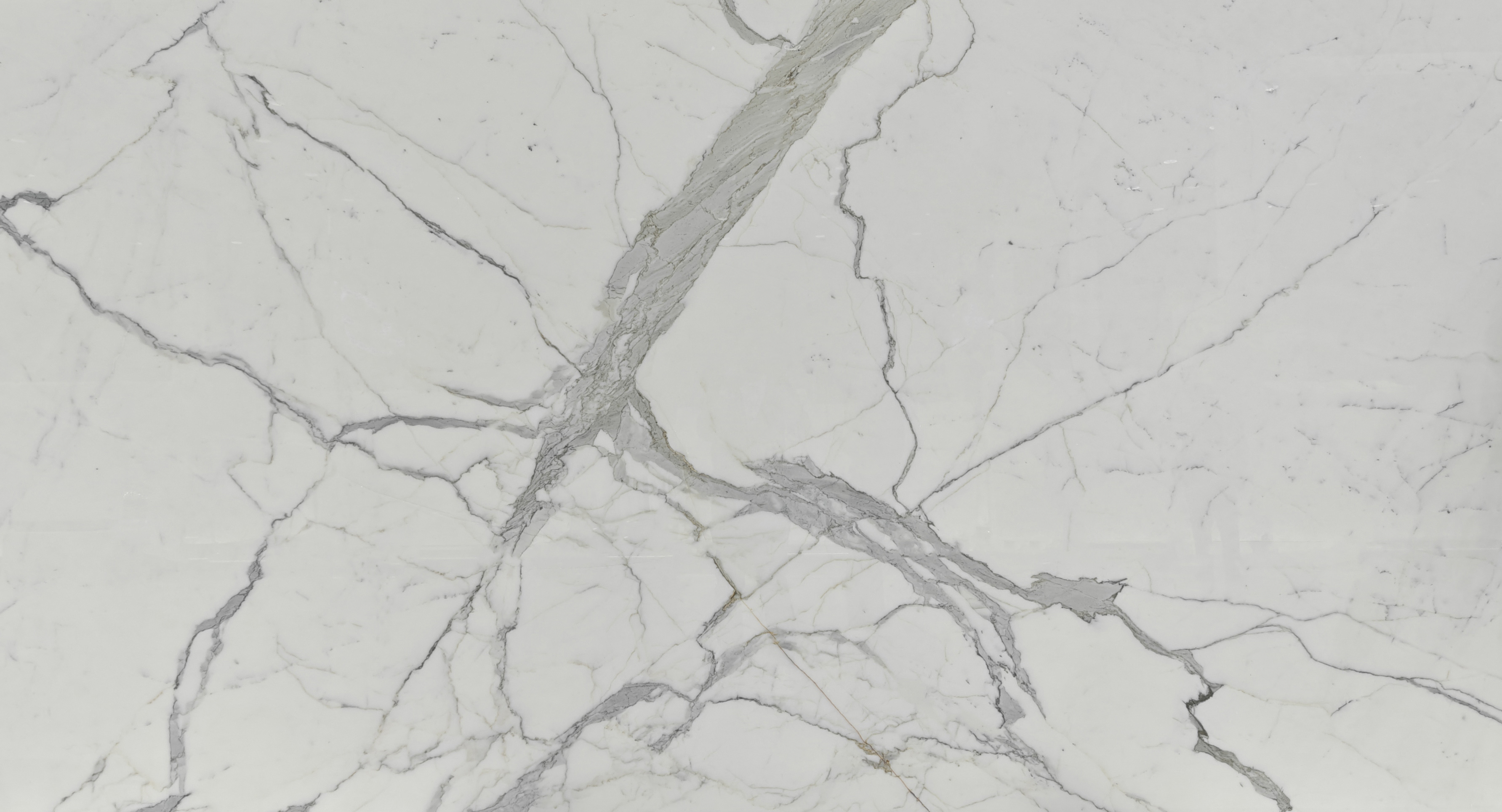
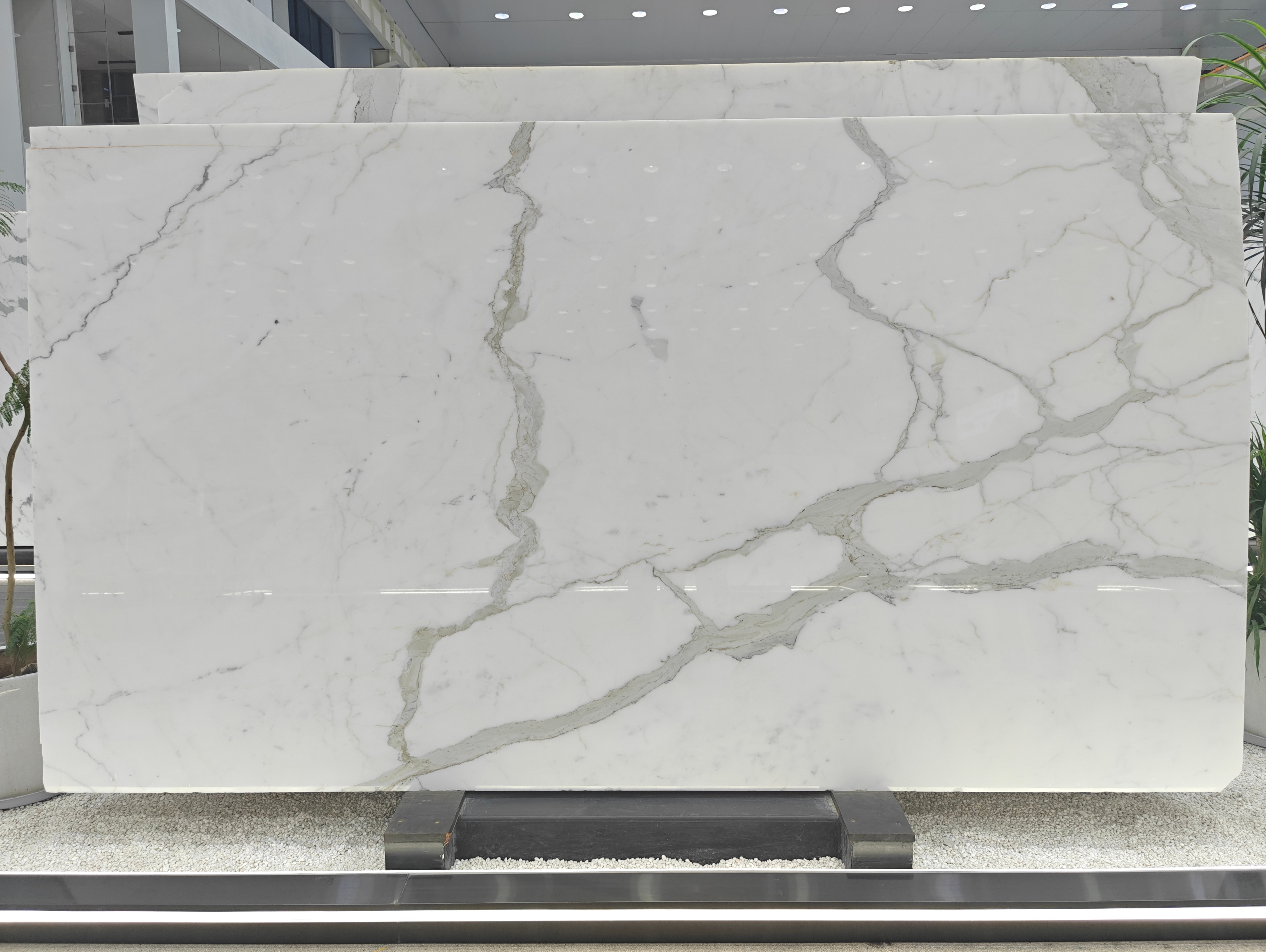
Marble color variation comes from the stone's natural composition and structure. Different slabs expose different sections of that material, so the background tone, mineral markings and vein pattern are not identical. Surface finish, lighting and photography can also change how those differences appear.
For buyers, the next question is practical: how do you choose marble slabs that work together across a wall, floor, countertop or furniture piece? The answer starts with understanding what a sample represents, then reviewing the actual material and its proposed layout before fabrication.
Marble forms through recrystallization under heat and pressure. Minerals within the rock contribute to differences in its appearance. The U.S. Geological Survey explains that colored streaks in marble can contain minerals other than calcite. This is one reason natural marble has areas of contrasting color rather than a perfectly uniform background.
A slab is a cross-section through a three-dimensional material. Veins and mineral-rich areas may appear in different positions as successive slices are cut. Slabs from different parts of a block, or from different blocks, can therefore show different patterns even when sold under the same marble name.
The material name helps identify the selection, but it is not an exact visual specification. The actual slabs still need to be reviewed for a particular project.
Polished and honed surfaces reflect light differently, which can affect the way a buyer perceives tone and contrast. Reflections from showroom lighting can also obscure parts of a polished slab.
When reviewing photographs, compare images taken under similar conditions. A difference between two pictures is not automatically a difference between two stones: camera exposure, white balance, wet surfaces and screen settings can complicate the comparison.
No. The same marble variety can include quieter and more expressive slabs, with differences in background tone, vein density and direction. For example, when selecting Bianco Carrara white marble, review the actual grey veining and overall background of the proposed slabs rather than relying on the material name alone.
Evaluate each slab individually, then compare the proposed group. A slab that looks attractive on its own may create a stronger contrast than intended when placed beside its neighbor.
A small marble sample is useful for initial selection. You can examine its local color, touch the surface and compare the supplied finish with surrounding materials. It cannot show every feature of the larger slab or the full appearance of a multi-slab order.
| Review item | Small physical sample | Actual slabs and project layout |
|---|---|---|
| Local color and texture | Useful initial reference | Shows how those features are distributed |
| Surface finish | Shows the supplied sample finish | Confirms the finish proposed for production |
| Vein scale and direction | Shows a limited section | Reveals the pattern at full scale |
| Variation across the order | One piece is insufficient | Allows the proposed selection to be compared |
| Appearance across joints | Usually cannot demonstrate it | Shows neighboring pieces and seam locations |
Ask whether the sample comes from the proposed supply or is a general reference. For a larger project, discuss range samples that represent the appearance being offered. Keep the agreed references with the approval record. The Natural Stone Institute explains the distinction between promotional and project samples in its Dimension Stone Selection guidance.
Treat marble slab selection as a documented decision. Before material is cut, ask the supplier for:
State the desired appearance in practical terms: a lighter background, moderate grey veining, fewer high-contrast areas, or a deliberately bold pattern. Where appearance is critical, use physical references alongside photographs rather than treating a screen image as an exact color standard.
Before cutting, confirm the selected slab IDs and the proposed use of important areas. A distinctive vein may suit a feature wall but be poorly placed if a sink opening removes its central section. Marking these decisions on the cutting layout helps connect material selection with the finished design.
Batch information is useful for tracing a supply, but it should not replace visual approval. Ask what the supplier means by a batch: does it identify a production lot, a group of bundles, or material from a particular block?
Review the slabs within that group and agree how they will be allocated to the project. For a hotel floor or a wall spanning several rooms, discuss the whole required quantity and any spare-material needs while selecting the stone. A later order with the same commercial name should still be reviewed against the earlier material.
The aim is a coordinated, agreed appearance. It is not a promise that every natural marble panel will be identical.
Marble vein matching arranges selected pieces so that the direction or movement of the pattern works across adjoining surfaces. Bookmatching uses complementary slab faces to create a mirrored composition. These are different design intentions and should be identified clearly on the drawings.
Neither approach makes the material uniform. Both depend on the selected stone and the approved cutting arrangement. For a detailed explanation of mirrored stone patterns, see Bookmatching: Geology Meets Geometry, published by the Natural Stone Institute's Use Natural Stone initiative.
Tell the supplier whether the priority is an even distribution of variation, flowing veins, or a central mirrored feature. That decision affects which slabs and layouts are appropriate.
Slab selection, cutting layout and dry layout are separate checkpoints. The cutting layout assigns pieces within the slabs. A dry layout brings fabricated pieces together so their relationships can be reviewed before installation. The Natural Stone Institute discusses this process in its Horizontal Surfaces guidance.
Start with the main viewing position. Check the balance of light and dark areas, the placement of prominent veins and the transitions between adjacent panels. Review corners, openings and joints together with the elevation drawing. A close-up of an attractive panel cannot replace a view of the complete wall arrangement.
Review the entrance view and main circulation routes, then look at transitions between rooms. Check whether stronger patterns cluster in one area, whether the orientation matches the design, and how perimeter cuts meet borders or doorways. Confirm that the panel numbering corresponds to the agreed plan.
In our Australian private villa project, Calacatta Viola and Monet Garden marble were fabricated for wall cladding, vanity areas and other custom elements. The project included factory pre-layout inspection. It illustrates why a real arrangement of components provides more useful project information than a material sample alone.
Natural variation alone does not determine quality or order acceptance. Assess whether the supplied selection falls within the agreed appearance and project requirements. A material can be naturally variable and still need further review if it differs from the approved selection.
Visual coordination is also separate from inspecting dimensions, finish, damage and fabrication accuracy. Do not classify an unfamiliar line or mark from a single photograph alone; request the relevant details and review the affected piece before proceeding.
Before shipment, compare any agreed dry layout with the final drawing. Retain the accepted photos, panel references and drawing version together. If a piece changes, review its replacement alongside its neighbors.
The sample may come from a different slab or show only a small, quieter area. Ask which material it represents, then compare the actual slabs under consistent viewing conditions before approving them.
Selection and layout planning can help achieve a coordinated appearance, but they cannot turn natural marble into an identical repeating pattern. Agree the acceptable range and overall design before cutting.
Review the proposed slabs together, identify the intended vein direction and approve the cutting layout. Discuss whether vein matching, bookmatching or a balanced distribution of different patterns best fits the design.
No. This guide concerns differences already present when selecting material. A new color change after installation is a separate issue and should be investigated rather than automatically attributed to natural variation.
Discuss spare quantities during initial selection. A later supply may differ, even under the same material name, so confirm availability and compare the proposed replacement with retained references.
Explore our natural marble slab collection, then send us your preferred material, application, dimensions and quantities. Include reference images and tell us which surfaces are most visually important.
Contact YUSHI STONE to discuss slab selection, custom fabrication and project layout requirements before placing your order.

2025/07/09
This is a title description that can briefly introduce the module.