 EN
EN
Pangkalahatang Gabay ng mga Propesyonal mula sa YUSHI STONE – Tagagawa ng Sintered Stone sa Tsina
Ang sintered stone ay naging isa sa pinakasikat na materyales para sa modernong arkitektura at disenyo ng looban, na malawakang ginagamit sa mga countertop, mukha ng gusali (facades), sahig (flooring), at mga kasangkapan.
Gayunman, hindi lahat ng produkto ng sintered stone — o mga tagapagkaloob nito — ang nag-aalok ng parehong antas ng kalidad at katiyakan. Para sa mga arkitekto, mga developer, at mga distributor, ang pagpili ng tamang tagapagkaloob ay napakahalaga upang matiyak ang pangmatagalang tagumpay ng proyekto.
Narito ang mga pangunahing salik na dapat ninyong suriin bago pumili ng tagapagkaloob ng sintered stone.
1. Ang mga Sertipiko ay ang Pangunahing Batayan — Ngunit Hindi ang Buong Kuwento
Ang isang maaasahang tagapagkaloob ng sintered stone ay dapat tumugon sa mga Internasyonal na Pamantayan sa Sertipikasyon bilang pangunahing pamantayan, hindi bilang isang katangian na nagpapakita ng kahusayan.
Ang mga pinakamahalagang sertipiko ay kinabibilangan ng:
- Iso 9001 – Nagtiyak ng isang pamantayang sistema ng pamamahala ng kalidad at matatag na kontrol sa produksyon
- CE Marking – Nagpapatunay na sumusunod sa mga pamantayan ng EU sa kaligtasan, kalusugan, at pangangalaga sa kapaligiran
- NSF/ANSI 51 – Kinakailangan para sa mga aplikasyong may kontak sa pagkain tulad ng mga ibabaw ng kusina
Ang mga sertipikasyong ito ay nagpapahiwatig na ang tagapag-suplay ay sumusunod sa pandaigdigang pamantayan, lalo na para sa mga komersyal at eksport na proyekto.
Gayunman, ang mga sertipikasyon lamang ay hindi sapat. Humiling palagi ng:
- Mga balidong sertipiko na may malinaw na saklaw at petsa
- Dokumentasyon na isinagawa ng ikatlong partido (hindi self-declared)
Ang mga tagapag-suplay na walang kumpletong o mapapatunayang sertipikasyon ay maaaring magdulot ng panganib sa kalidad, pagsunod sa regulasyon, at pag-apruba ng proyekto.
2. Kakayahan ng Pabrika: Pagsubaybay, Kontrol sa Produksyon, at mga Audit
Bukod sa mga sertipikasyon, ang tunay na lakas ng tagapag-suplay ay nakasalalay sa pamamahala sa pabrika at transparensya sa produksyon .
Ang isang propesyonal na tagagawa ng sintered stone ay dapat magbigay ng:
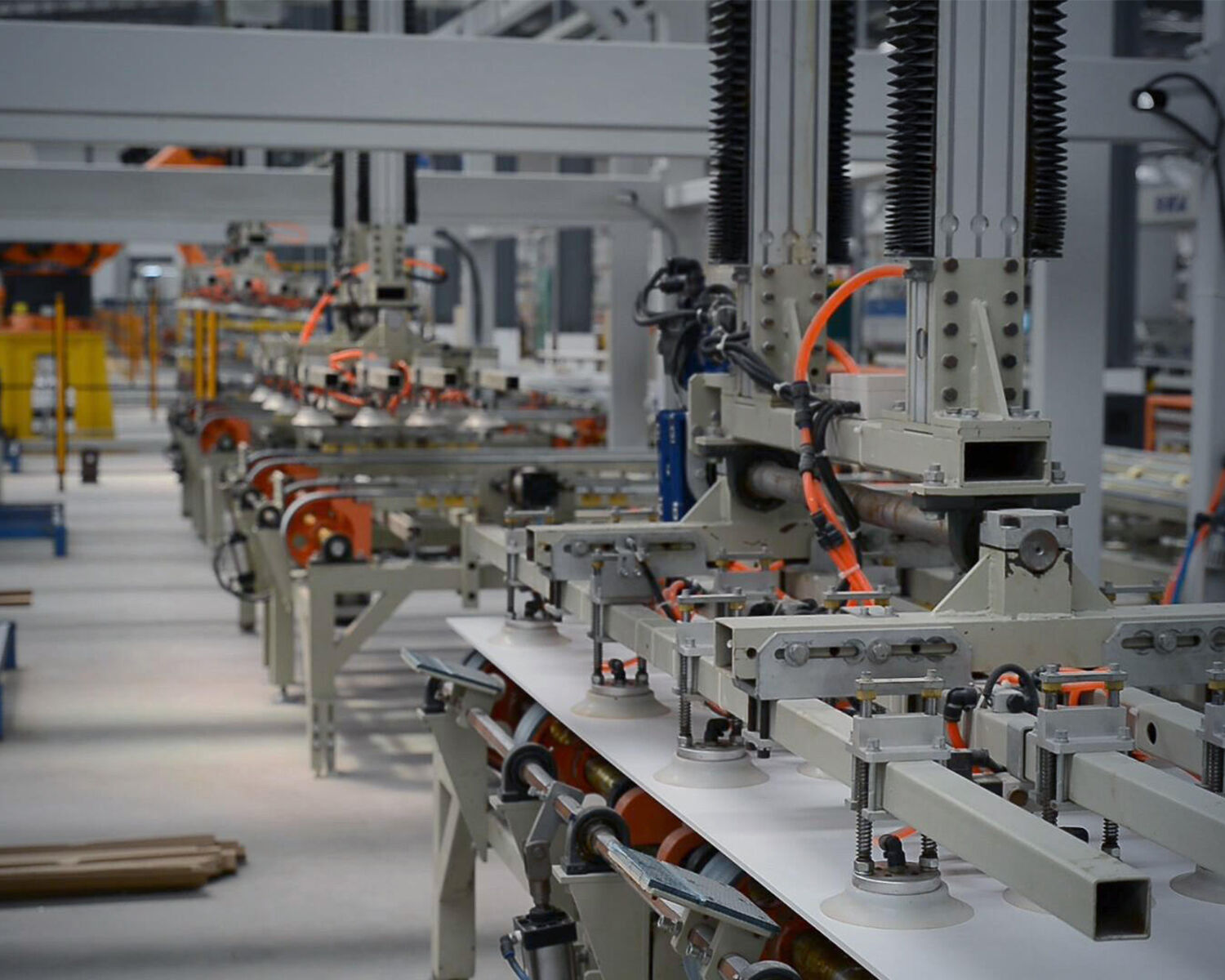
- Pagsubaybay sa batch (pag-uugnay ng bawat slab sa datos ng produksyon)
- Matatag na pagkuha ng hilaw na materyales
- Kontroladong proseso ng sintering (temperatura, presyon, oras)
- Pananaliksik sa pabrika mula sa loob o mula sa ikatlong panig
Para sa malalaking proyekto, ang nakapag-uugnay na sistema ng pagsubaybay ay lalo pang mahalaga — ito ay nag-aagarantiya ng:
- Pangkalahatang pagkakapareho ng kulay at kapal sa bawat batch
- Mas mabilis na pagsubaybay at palitan ng mga isyu kung kinakailangan
- Mas mahusay na kontrol sa pangmatagalang suplay
Kapag wala ang sistemang ito, kahit ang mga de-kalidad na materyales ay maaaring magdulot ng hindi pagkakapareho sa panahon ng pag-install.
3. Ang Tunay na Datos Tungkol sa Pagganap ay Mas Mahalaga Kaysa sa Marketing
Ang sintered stone ay madalas itinataguyod bilang "super material," ngunit ang tunay na mahalaga ay ang napatunayang teknikal na pagganap .
Mga pangunahing katangian na dapat suriin:
Pagtutol sa Init
Ang de-kalidad na sintered stone ay kayang tiisin ang matinding temperatura nang hindi nabibitak o nababago ang hugis, kaya angkop ito para sa kusina at gamit sa labas.
Kakatigan (Mohs 7–9)
Mas matigas kaysa sa marble at kahit mas malakas pa sa karamihan ng granite, na nagpapatiyak ng mahusay na paglaban sa mga ugat at pagsuot.
Kasarian ng UV
Ang premium na sintered stone ay panatag na pinapanatili ang pagkakapareho ng kulay kahit sa mahabang panahon ng pagkakalantad sa araw, na perpekto para sa mga panlabas na fasad at kusinang panlabas.
Sa halip na umaasa sa mga brochure, humiling palagi ng mga ulat ng pagsusuri sa laboratorio na may kaugnayan sa aktwal na mga batch ng produksyon .
4. Tunay na Di-Poroso & Paglaban sa Stain
Isa sa pinakamalaking mga kapakinabangan ng sintered stone ay ang kanyang halos walang porosity — ngunit hindi lahat ng produkto ang nakakamit nito.
Ang maaasahang sintered stone ay dapat magpakita ng:
- Sobrang mababang pag-absorb ng tubig (karaniwang ≤0.02%)
- Matibay na resistensya laban sa karaniwang mga stain tulad ng kape, alak, at langis
- Walang pangangailangan ng surface sealing
Maging maingat sa mga di-tiyak na pahayag tulad ng “stain-proof” o “non-porous finish.”
Ang mga propesyonal na supplier ay dapat magbigay ng malinaw na datos mula sa pagsusuri at, kapag kinakailangan, ang pagpapatunay ng sample para sa mga kondisyon sa tunay na mundo.
5. Pagkakapareho: Ang Tunay na Pagkakaiba sa Pagitan ng mga Tagapag-suplay
Para sa mga malalaking proyekto, ang pagkakapareho ay kadalasang mas mahalaga kaysa sa kalidad ng isang solong slab.
Mga pangunahing indikador ng isang malakas na tagapag-suplay ay:
- Toleransya sa kapal sa loob ng ±0.5 mm
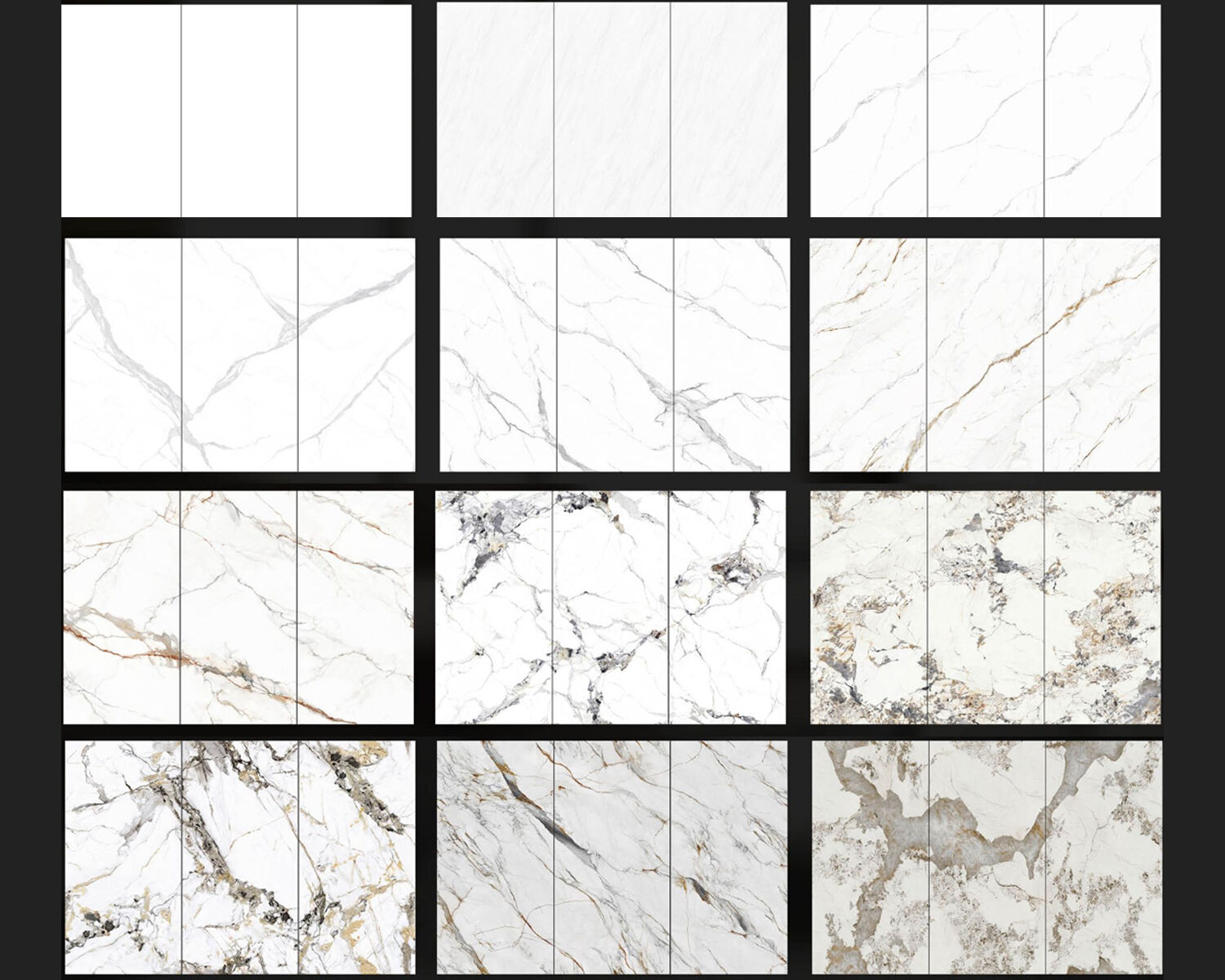
- Pabilog na pagkakapareho ng kulay sa buong mga batch
- Mababang rate ng depekto (pagkabali ng gilid, pagkabuwel, mga depekto sa ibabaw)
Ang hindi pare-parehong mga materyales ay maaaring magdulot ng:
- Mga problema sa pag-install (lippage, hindi pantay na mga sambungan)
- Hindi pagkakatugma sa paningin sa iba’t ibang espasyo
- Tumataas na mga gastos sa paggawa at kapalit
Ang isang maaasahang supplier ay nagsisiguro ng pagkakapareho mula sa unang slab hanggang sa huling slab.
6. Paano Iwasan ang Mababang Kalidad o Peke na Sintered Stone
Hindi lahat ng produkto na may label na “sintered stone” ay tunay na mataas ang density at lubos na nasinter.
Upang matukoy ang mga pagkakaiba sa kalidad, maaari mong gawin ang mga sumusunod:
- Suriin UV Pagtutol (ang mga mababang kalidad na materyales ay maaaring magpalela o kumuning)
- Pagsusuri pagkakapareho ng istruktura ng ibabaw
- Humiling mga teknikal na ulat at detalye ng produksyon
Para sa mahahalagang proyekto, inirerekomenda palaging ang pagsusuri ng sample bago ang pangkalahatang pagbili.
7. Praktikal na Pagpili: Kapal, Hugis ng Ibabaw, at Angkop na Gamit
Ang pagpili ng tamang teknikal na tukoy ng produkto ay kasing-importante ng pagpili ng tagapag-suplay.
- 6mm–12mm na slab : mga pader, kasangkapan, mga aplikasyong may mababang timbang
- 12mm–20mm na slab : mga ibabaw ng kusina, mga lugar na may mataas na daloy ng tao
- Honed / matte na huling pagpapaganda : mas mahusay na paglaban sa pagkahulog
- Polished finishes : mas mataas na epekto sa paningin para sa loob ng gusali
Isang propesyonal na tagapag-suplay ay dapat magbigay ng gabay batay sa mga Senaryo ng Aplikasyon , hindi lamang sa availability ng produkto.
Huling mga pag-iisip
Ang pagpili ng isang tagapag-suplay ng sintered stone ay hindi lamang tungkol sa presyo — ito ay tungkol sa matagalang katiyakan, pagkakapare-pareho, at suporta sa proyekto .
Sa Yushi Stone , nag-aalok kami ng:
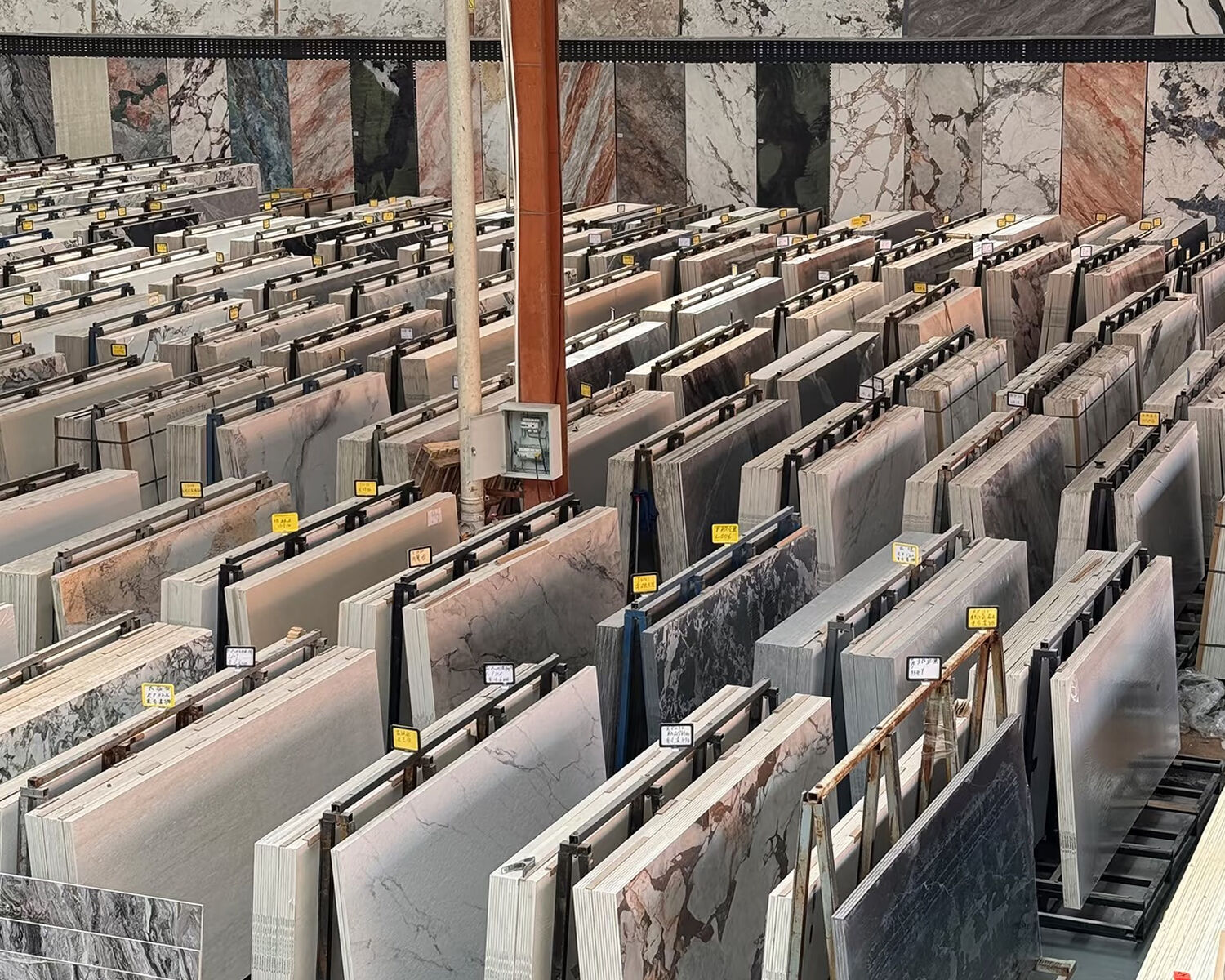
- Matatag na kontrol sa kalidad at sertipikadong produksyon
- Buong suporta sa proyekto mula sa pagpili ng slab hanggang sa paggawa
- Mga pasadyang solusyon para sa mga komersyal at residential na proyekto sa buong mundo
Ang aming layunin ay tulungan ang mga kliyente na makamit ang matatag, pare-pareho, at batay sa disenyo na resulta gamit ang sintered stone.
Madalas Itanong
Tanong 1: Bakit mahalaga ang mga sertipiko para sa mga tagapag-suplay ng sintered stone?
Nagpapatibay ito na ang tagapag-suplay ay sumusunod sa mga internasyonal na pamantayan para sa kalidad, kaligtasan, at pagkakasunod-sunod sa aplikasyon.
Q2: Paano ko ma-verify ang kalidad ng sintered stone?
Suriin ang mga ulat ng laboratoryo, datos sa pag-absorb ng tubig, kahigpitang materyal, at pagkakapareho ng bawat batch.
Q3: Lahat ba ng sintered stone ay hindi porous?
Hindi. Ang mataas na kalidad lamang na sintered stone ang nakakamit ng halos zero porosity. Lagi nang i-verify gamit ang mga datos mula sa pagsusulit.
Q4: Ano ang pinakamalaking panganib sa pagpili ng supplier?
Ang hindi pare-parehong kalidad sa bawat batch, na maaaring makaapekto sa pag-install, itsura, at pangmatagalang pagganap.