 EN

Taj Mahal Quartzite Selection Guide: Durability, Finish, and Budget
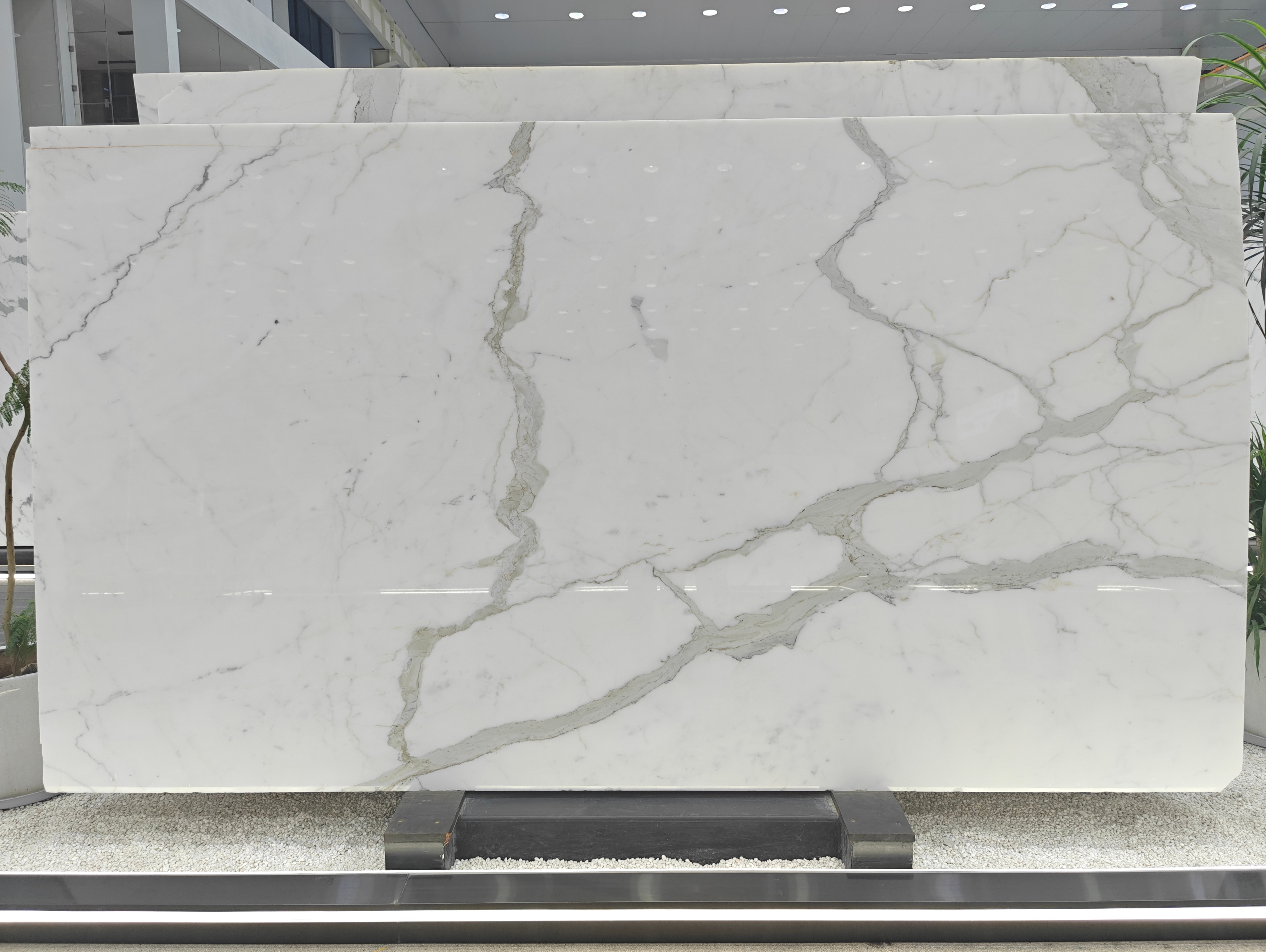
For builders, designers, and material buyers, Taj Mahal quartzite is often shortlisted for its warm ivory field, soft gold movement, and ability to sit comfortably beside both light and dark cabinetry. But a successful selection starts with project conditions—not with a photograph of one attractive slab. The practical question is whether the chosen material, finish, thickness, fabrication plan, and budget allowance fit the intended installation.
As a stone-specification consultant would approach it, separate appearance from performance first. Natural slabs vary, and the right decision depends on where the stone will go, how it will be supported, where seams and cutouts fall, and what level of daily care the owner can accept. That said, visual consistency still matters: approve slabs from the intended lot whenever possible, not just a small hand sample.
Start with the use zone and slab review
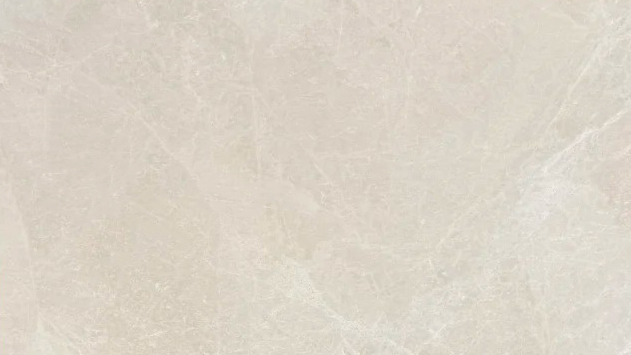
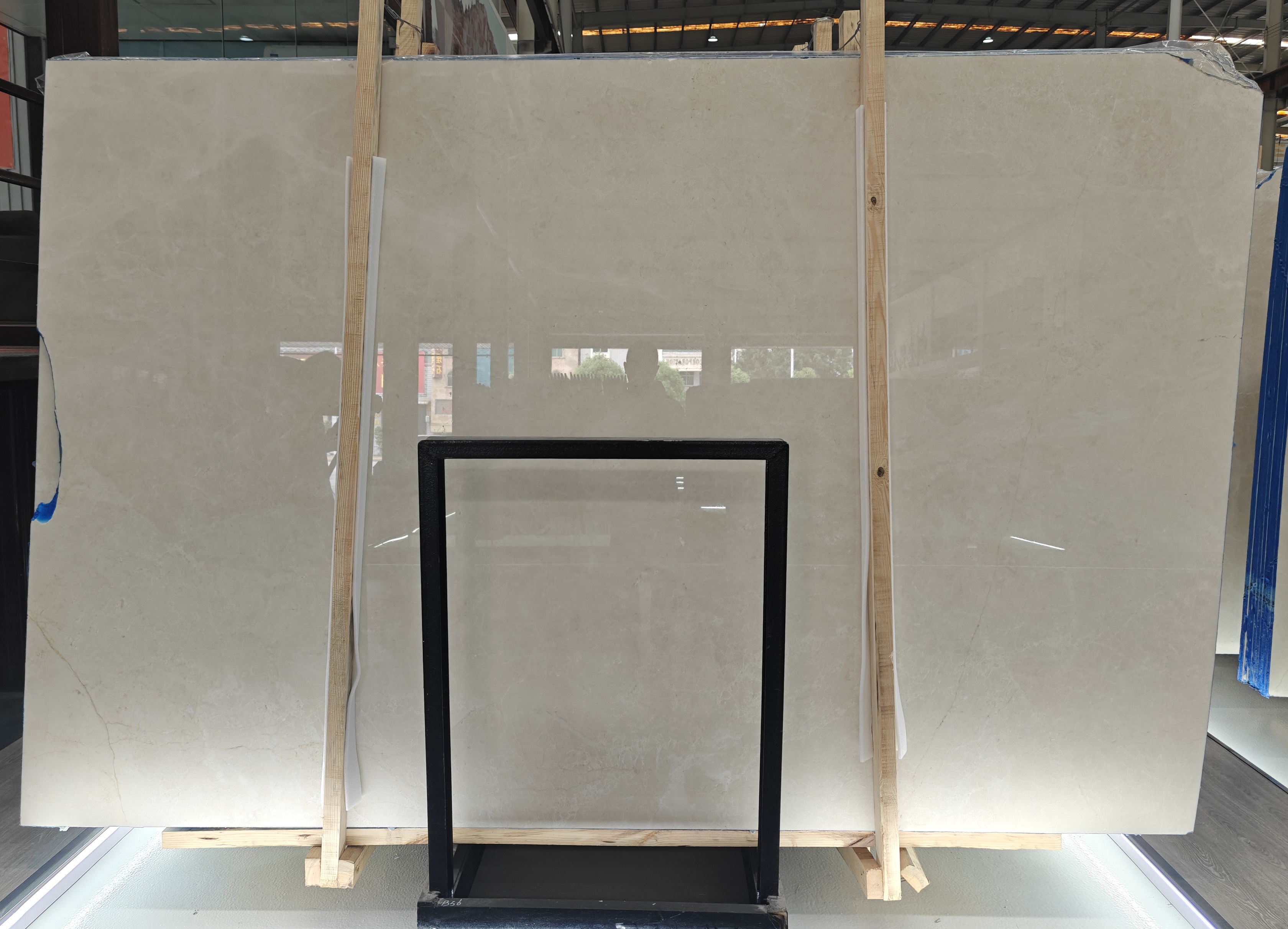
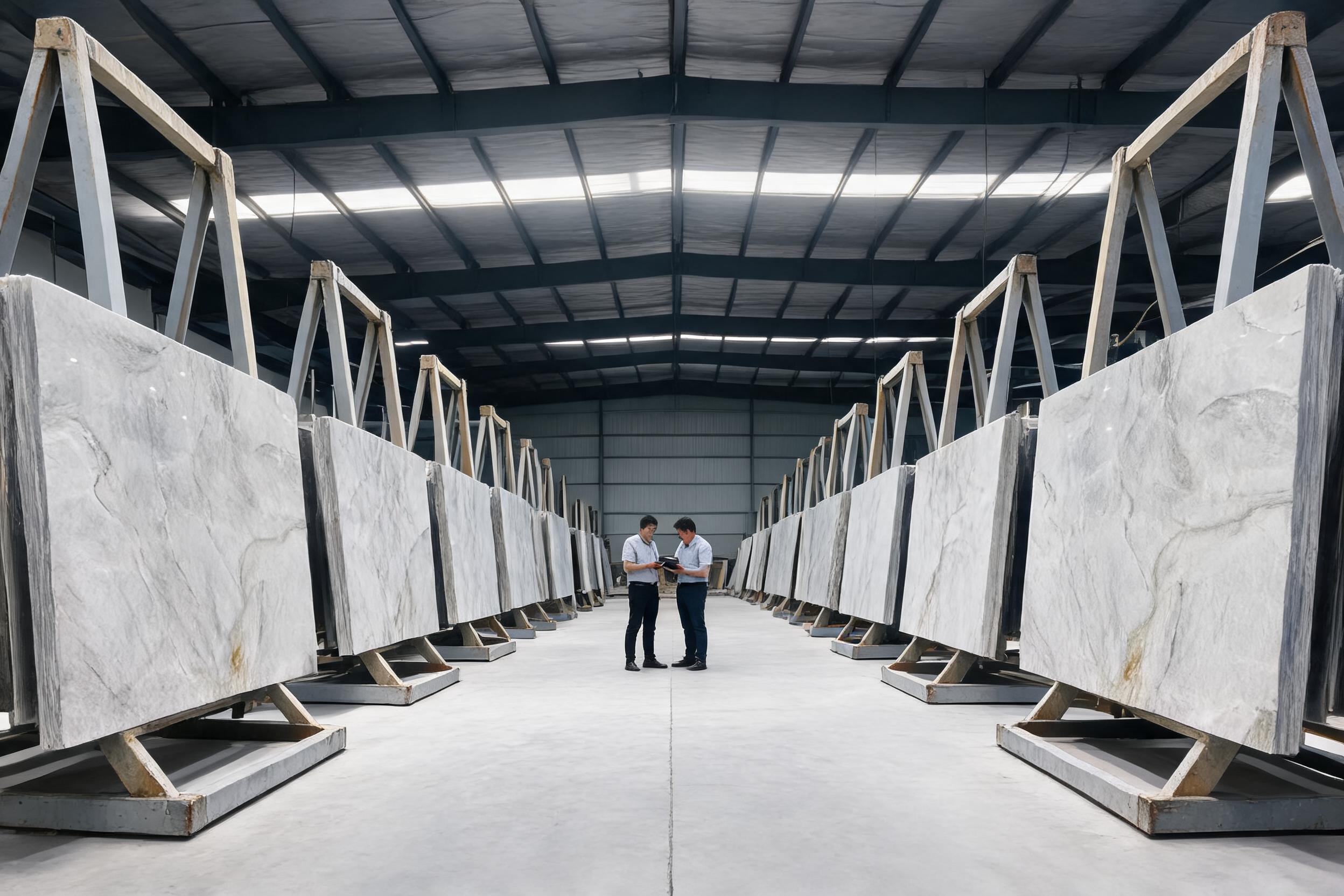
Taj Mahal quartzite is a natural stone, so color, veining, translucency, and mineral movement can vary from slab to slab. For a kitchen island, vanity, reception desk, wall feature, or floor application, ask the fabricator to review the actual slabs under representative lighting. Mark the preferred face, vein direction, and locations for joins before cutting begins.
For countertop work, the evaluation should also cover cabinet support, overhangs, sink and cooktop cutouts, edge treatment, and transport access. These details influence fabrication time and breakage risk far more than a simple slab-size comparison suggests. A common residential reference point is 2 cm or 3 cm material, but final thickness must be confirmed against the span, cutout layout, reinforcement method, and local installation requirements.
Evaluate durability without treating it as a blanket promise
Taj Mahal quartzite is commonly selected when a project wants a natural-stone surface with a more performance-led reputation than many marble applications. More precisely, durability should be assessed in relation to the finished slab and its intended use. Natural fissures, resin treatment, edge geometry, seams, and installation quality all affect how a completed surface performs.
For busy kitchens and commercial touchpoints, request confirmation of the slab condition before fabrication. Ask which areas contain natural features, how cutouts will be reinforced, and whether a particular vein direction needs special handling. This turns a general durability discussion into a review of the actual fabrication risk.
Maintenance also belongs in the durability conversation. Industry care guidance notes that sealing makes natural stone more resistant to staining; it does not make the surface stain-proof. Use a cleaner suitable for natural stone, wipe spills promptly, and agree with the supplier or sealer manufacturer on the product and maintenance plan for the application. Avoid claiming that any stone is maintenance-free.
Choose the finish for the room, not only for the look
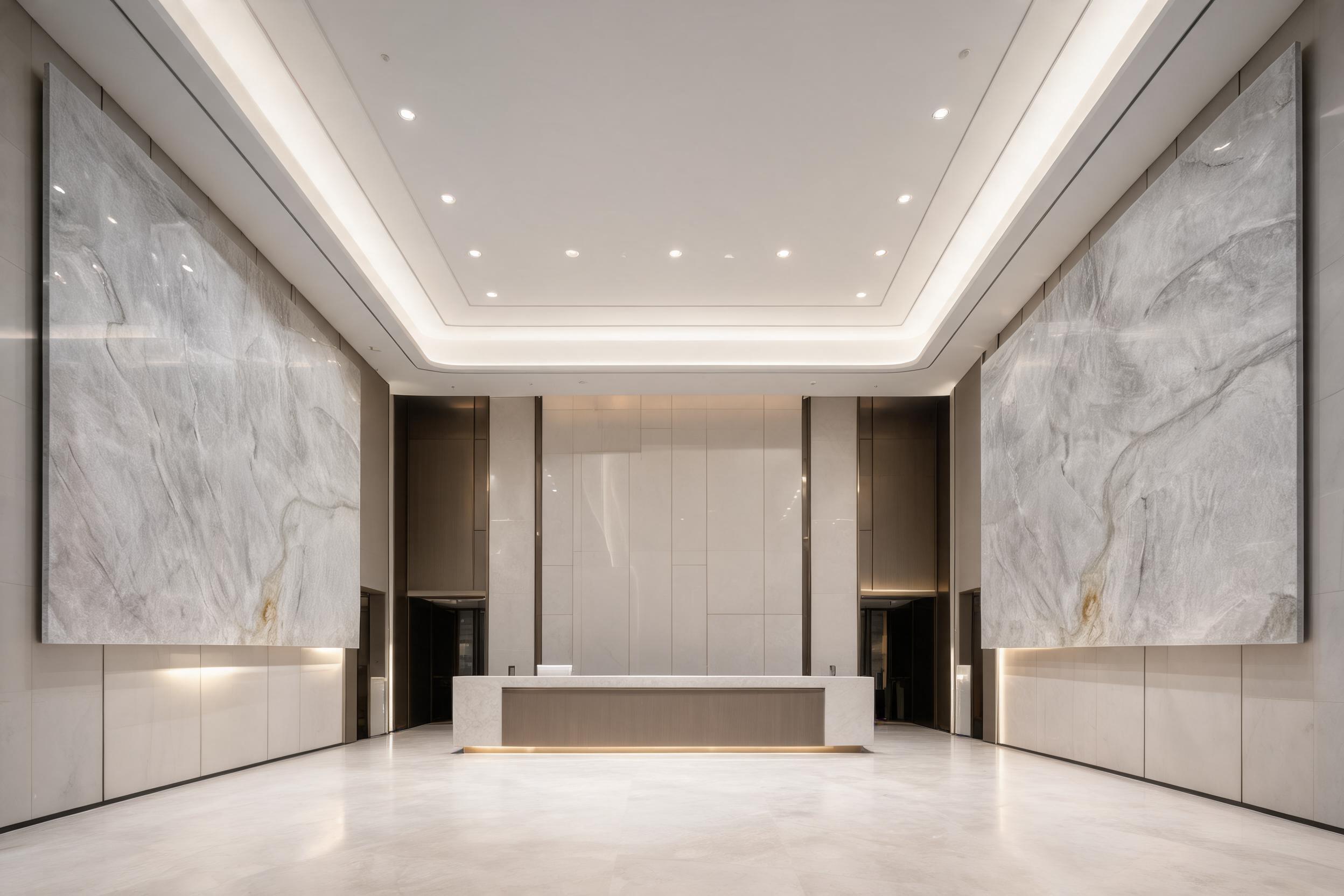
The finish changes how Taj Mahal quartzite reads in a space and how its surface is managed. A polished finish generally brings out depth, reflectivity, and the flowing gold-beige pattern, making it a frequent choice for countertops and feature walls. A honed finish gives a softer, lower-sheen appearance that can suit quieter interiors. Neither option is automatically better.
| Decision factor | Polished | Honed |
|---|---|---|
| Visual effect | More reflective; emphasizes pattern depth | Matte to low sheen; softer visual character |
| Key review question | Will reflections and visible smudges suit the room? | Will the desired look align with the care plan and sample approval? |
| Specification step | Approve gloss and edge samples with the slab | Approve finish consistency and sealing approach with the slab |
If the area sees frequent wet cleaning, discuss the finish and maintenance plan together. For floors or wet-adjacent zones, the project team should also confirm slip, drainage, local-code, and installation requirements with qualified professionals; a finish name alone is not a performance specification.
Plan fabrication before comparing quotations
Two offers for what appears to be the same Taj Mahal quartzite surface may include very different scopes. Compare like for like: slab grade and yield, thickness, finish, edge profile, backsplash treatment, cutouts, reinforcement, bookmatching, templating, delivery, installation, and site access. A lower slab line item can be offset by higher fabrication or logistics work.
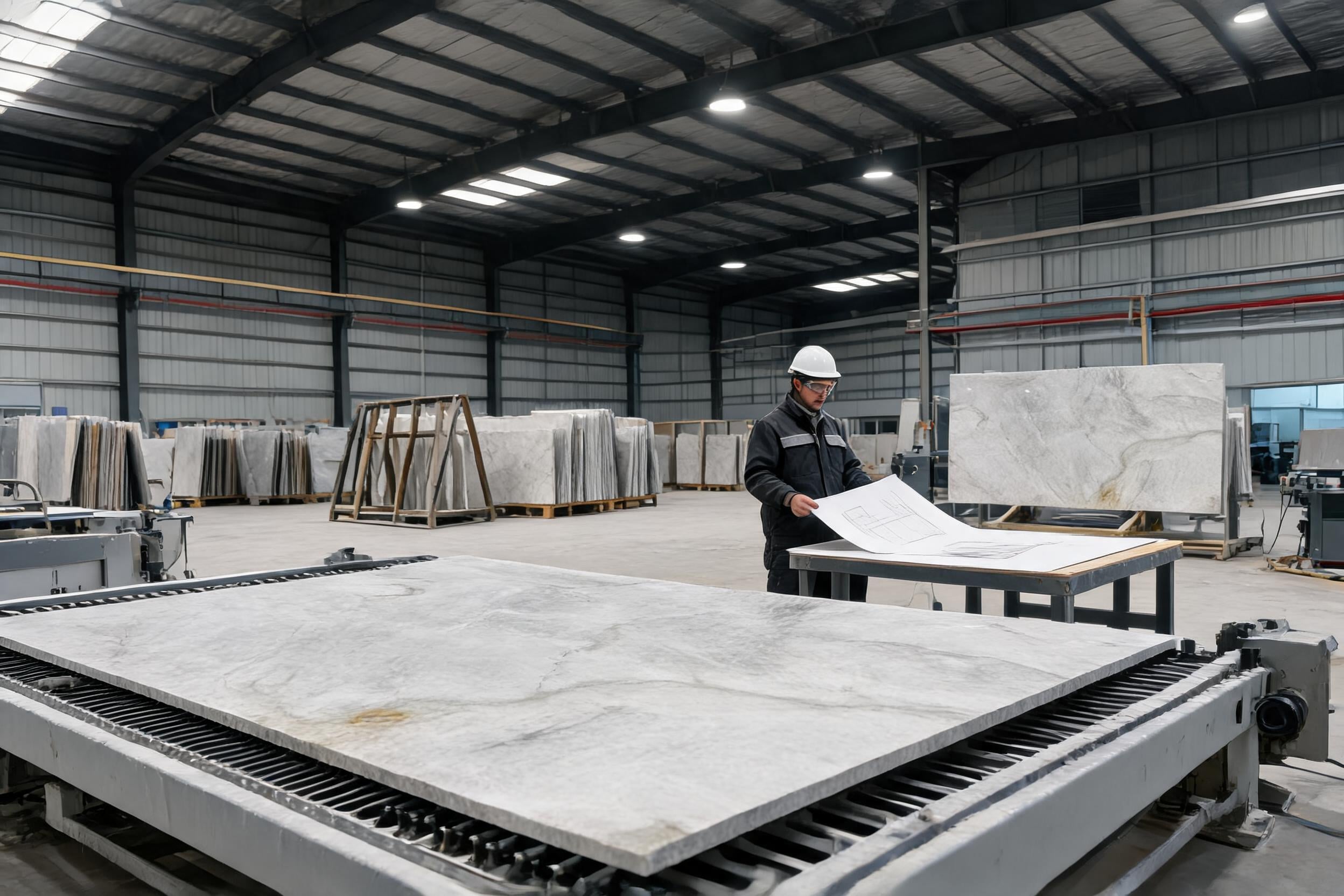
For a countertop project, the actual slab layout is especially important. Long runs, waterfall panels, strong directional veining, large openings, and intricate edges can increase material waste and labor. Request a drawing or layout discussion before authorizing fabrication, then make sure the quotation identifies exclusions and change-order conditions.
For buyers sourcing a finished stone solution, Taj Mahal Quartzite Countertops can be used as a starting point for a product-specific inquiry. Provide dimensions, application, finish preference, edge details, and destination requirements so the team can review feasibility rather than infer a scope from a mood board.
Build a budget around the full installed scope
Budgeting for Taj Mahal quartzite should distinguish the material from the delivered, fabricated result. The final amount can be influenced by availability and slab selection, thickness, finish, yield, fabrication complexity, packing, freight, installation, and any site-specific lifting or access requirements. Because these inputs change by project, a fixed universal price is less useful than a transparent scope comparison.
Use this checklist when requesting quotes:
- Confirm the intended application, dimensions, thickness, finish, and edge profile.
- Ask whether the quote is for selected slabs, fabricated pieces, or a supplied-and-installed scope.
- Identify seams, cutouts, reinforcement, backsplash, waterfall panels, and bookmatching.
- Clarify packing, freight terms, insurance, delivery access, and installation responsibility.
- Reserve a review point for final slab approval and layout sign-off.
Make the final decision with a sample-to-slab checklist
Before placing an order, compare the approved sample with the full slabs in the proposed batch. Check tone under the project lighting, vein direction across adjacent pieces, finish uniformity, and the placement of natural features around cutouts and edges. This simple review protects the design intent while giving the fabricator a clear execution brief.
In short, Taj Mahal quartzite is more reliably selected as a project-specific material, not as a generic luxury surface. When the team verifies the actual slabs, matches finish to the use zone, plans fabrication early, and compares full-scope quotations, it can make a well-informed decision on appearance, durability, and budget.