 EN
EN
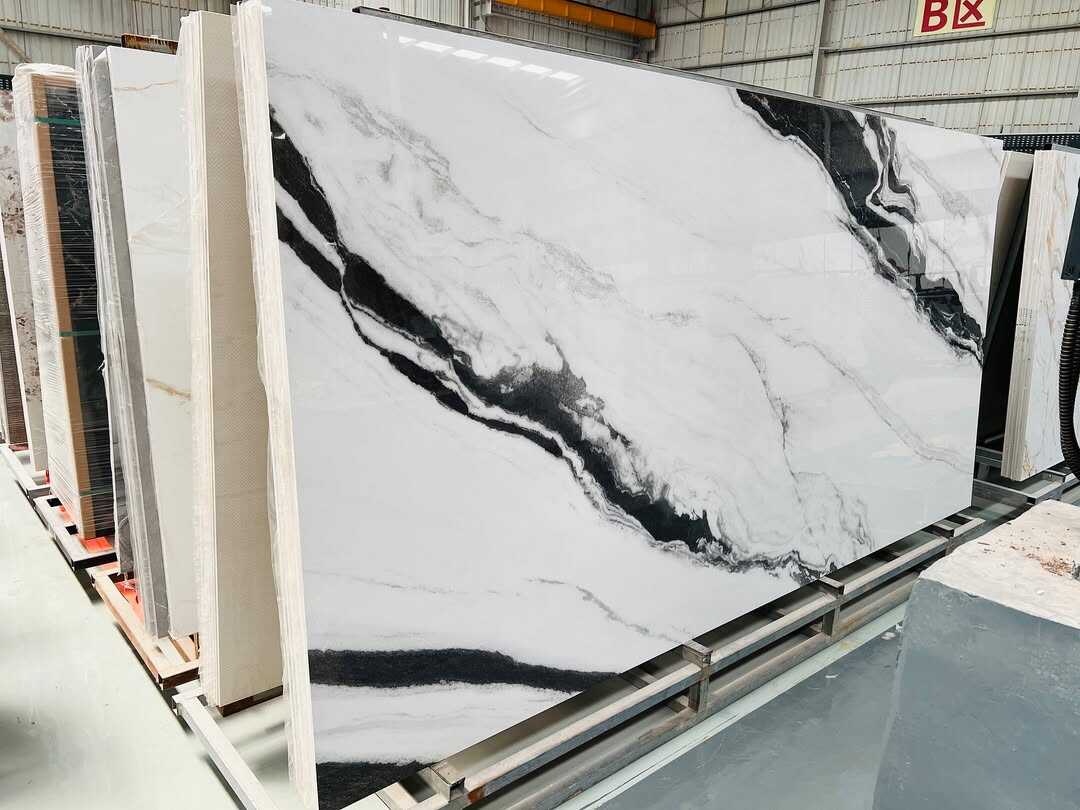
Dlaczego płyty z kamienia spiekanego są wyjątkowe w zastosowaniu jako obłożenie ścian zewnętrznych i fasady
Bezszwowa instalacja dużych formatów przy zmniejszonej widoczności szwów
Gdy wymiary płyt są zwiększane do 3200 mm × 1600 mm, potencjał ciągłego pokrycia powierzchni elewacji rośnie, a widoczność szwów staje się minimalna. Zasady projektowania opartego na działaniu siły grawitacji oznaczają, że krawędzie płyt będą cięte z dokładnością do mniej niż 1 mm w otworach. Taka czysta krawędź nie naraża powierzchni krawędziowych na działanie czynników zewnętrznych przez dłuższy czas. Prawie całkowite wyeliminowanie szwów pozwala zrezygnować z konieczności długoterminowej konserwacji, która ma na celu utrzymanie elewacji wolnej od materiałów organicznych i nieorganicznych, mogących deformować jej powierzchnię.
Potwierdzenie wydajności w surowych warunkach zewnętrznych: stabilność wobec promieniowania UV oraz odporność na cyklowanie termiczne (normy ASTM C1525 i C666)
Dzięki rygorystycznym i niezależnym badaniom wykazano, że płyty z kamienia spiekanego zachowują swoje właściwości w surowych warunkach zewnętrznych. Badania wykazały, że płyty zachowują nadal 99% swojego koloru po narażeniu na promieniowanie UV przez 4000 godzin (co odpowiada 25 rokom ekspozycji na powierzchni) oraz nie ulegają odpryskiwaniu podczas testu cykli zamrażania i odmrażania zgodnie ze standardem ASTM C666 – 300 cykli przy temperaturach -20 °C i 50 °C, co przekracza wytrzymałość kamienia naturalnego, który zwykle ulega uszkodzeniu już po 150 cyklach. W warunkach termicznych i narażenia na światło UV przy skrajnych temperaturach oraz wilgotności kamień spiekany pozostaje nietknięty – bez powstawania mikropęknięć, a elewacja nie ulega odkształceniu, pęknięciu ani łuszczeniu się.
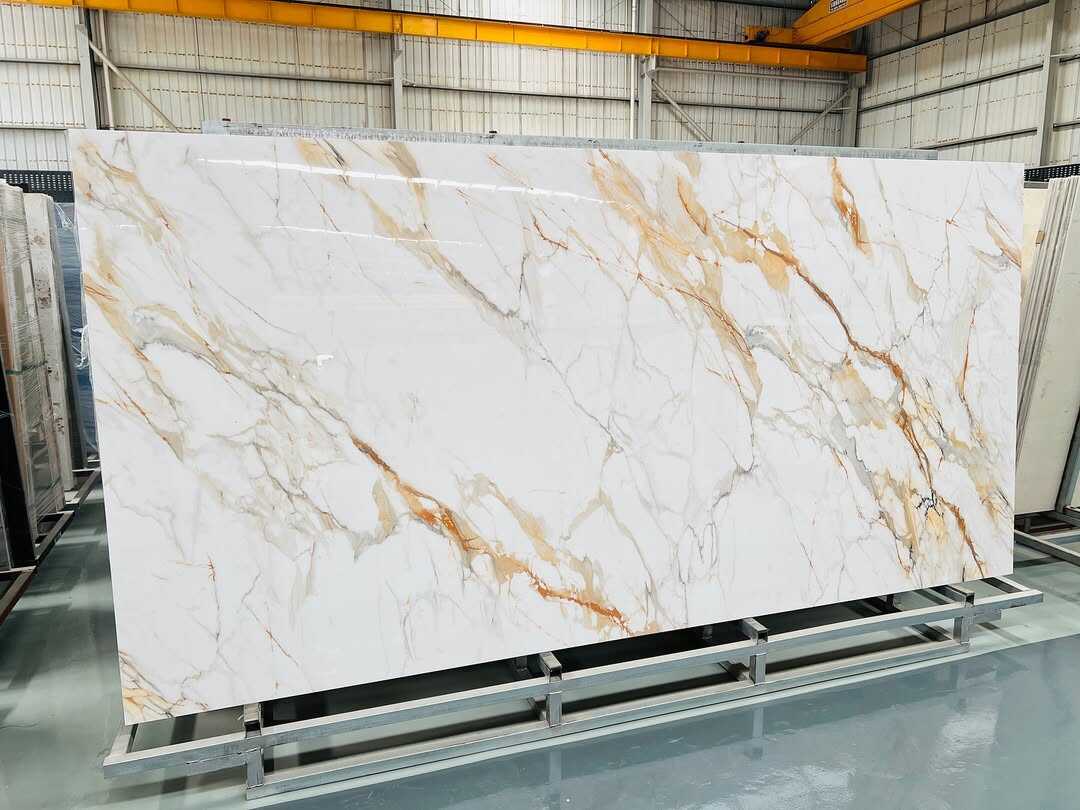
Nieporównywalna trwałość: odporność na warunki atmosferyczne, ogień oraz cykle zamrażania i odmrażania
Struktura nieprzepuszczalna zapewnia zerowe wchłanianie wody oraz odporność na cykle zamrażania i odmrażania
Kamień spiekany osiąga prawie zerową porowatość (≤0,02 %) dzięki kompakcji pod wysokim ciśnieniem oraz wypalaniu w temperaturze przekraczającej 1200 °C. Ta wysoka temperatura powoduje pełną szkliwienie, tworząc nieprzyswajającą matrycę. W przeciwieństwie do porowatych kamieni naturalnych lub cementów nie jest w stanie pochłaniać wody. Dlatego też główny czynnik powodujący rozszerzanie się lodu wewnątrz materiału (lodowa ekspansja) oraz niszczycielską ekspansję wynikającą z cyklu zamrażania i odmrażania zostaje wyeliminowany. Niezależna weryfikacja zgodnie ze standardem ASTM C666 potwierdza wydajność materiału w trakcie 300 cykli zamrażania i odmrażania bez jakichkolwiek oznak pęknięć, łuszczenia się ani utraty wytrzymałości na zginanie. Ten kamień stanowi nieporównywaną i praktyczną opcję dla klimatów północnych, alpejskich oraz nadmorskich.
Klasa A1 – niemiejskość oraz rzeczywista odporność na ogień w elewacjach budynków wysokich
Wytwarzane płyty są certyfikowane zgodnie z normą EN 13501-1, klasa A1 – najwyższą klasą w Europie pod względem niepalności. Płyty te są niepalne, nie stanowią żadnego paliwa, nie wydzielają toksycznych oparów i zachowują integralność przy temperaturach przekraczających 1000 °C. W zastosowaniach w budynkach wysokich, gdzie zewnętrzna warstwa elewacji jest palna, spoiny zapewniają bierną warstwę ochrony, której brakuje w przypadku palnych kompozytów metalowych, płyt HPL lub okładzin drewnianych. Badania pożarowe w warunkach rzeczywistych, zgodne z normami ASTM E119 oraz EN 1363-1, wykazują, że płyty te zachowują swoją integralność nawet po długotrwałym i intensywnym pożarze. Jest to element kompleksowych strategii zapewniających odporność na ogień, które stosowane są w prowadzących projektach budynków wysokich.
Zwolnij swoje kreatywne możliwości dzięki naszym kamieniom spiekowym
Pełna kontrola to sposób, w jaki definiujemy swobodę projektowania płyt z kamienia spiekanego. Każda partia jest produkowana z cyfrowo generowanych palet kolorów, eliminując niepożądane niejednorodności charakterystyczne dla kamienia wydobywanego z kopalni. Skomplikowane, przeplecione tekstury z drobnych metali? Żaden problem. Złożone wzory odzwierciedlające naturalną równowagę formy i funkcji można teraz odtworzyć z najwyższą wiernością, trwałością, a nawet odpowiednią jakością wrażeń dotykowych — wszystko dzięki przełomowym technikom grawerowania i drukowania. Zmniejsz liczbę szwów dzięki dużym, precyzyjnym płytom. Maksymalnie zoptymalizuj płyty pod kątem wbudowanych kanałów odpływowych, ergonomicznych uchwytów lub nawet systemów kieszonek napinających. Dostępnych jest ponad 200 powierzchni oraz ponad 25 standardowych opcji. Dlaczego ograniczać swoje projekty?
Wartość w całym cyklu życia: niskie koszty konserwacji i długoterminowa efektywność ekonomiczna
Porównanie całkowitych kosztów posiadania (TCO): 50-letni okres użytkowania w porównaniu z Kamienie naturalne , obлицowaniem ceramicznym i metalowym
Płyty z kamienia spiekanego maksymalizują wartość cyklu życia dzięki wyjątkowej trwałości i praktycznie zerowemu poziomowi konserwacji eksploatacyjnej. Po przeprowadzeniu serii przyspieszonych testów starzenia oraz cykli zamrażania i odmrażania przewidywany okres użytkowania wynosi 50 lat, co oznacza całkowity koszt posiadania (TCO) niższy o 20–30% w porównaniu do tradycyjnych materiałów obłożeniowych. Do czynników przyczyniających się do tej zalety należą m.in. następujące:
Brak konieczności impregnacji lub ponownego wykańczania powierzchni: Nieprzepuszczalne i odporno na działanie promieni UV powierzchnie eliminują konieczność stosowania impregnacji w zakresie 15–25 USD/ft² co 5 lat, wymaganą w przypadku kamienia naturalnego;
Brak konieczności naprawy fugi ani zapobiegania korozji: Kamień spiekany nie wymaga regularnej naprawy szwów ani odnawiania powierzchni, w przeciwieństwie do paneli ceramicznych, które ulegają uszkodzeniom z powodu niesprawności fugi, czy też paneli kompozytowych aluminiowych/metalowych, które ulegają korozji galwanicznej oraz uszkodzeniom powłoki;
Dłuższa żywotność: Potwierdzone deklaracje trwałości wykraczają poza 50 lat, wykazując funkcjonalność i walory estetyczne (co daje lepsze wyniki niż w przypadku ceramiki, którą należy całkowicie wymienić co 20 lat, oraz okładzin metalowych, które należy wymieniać co 30 lat).
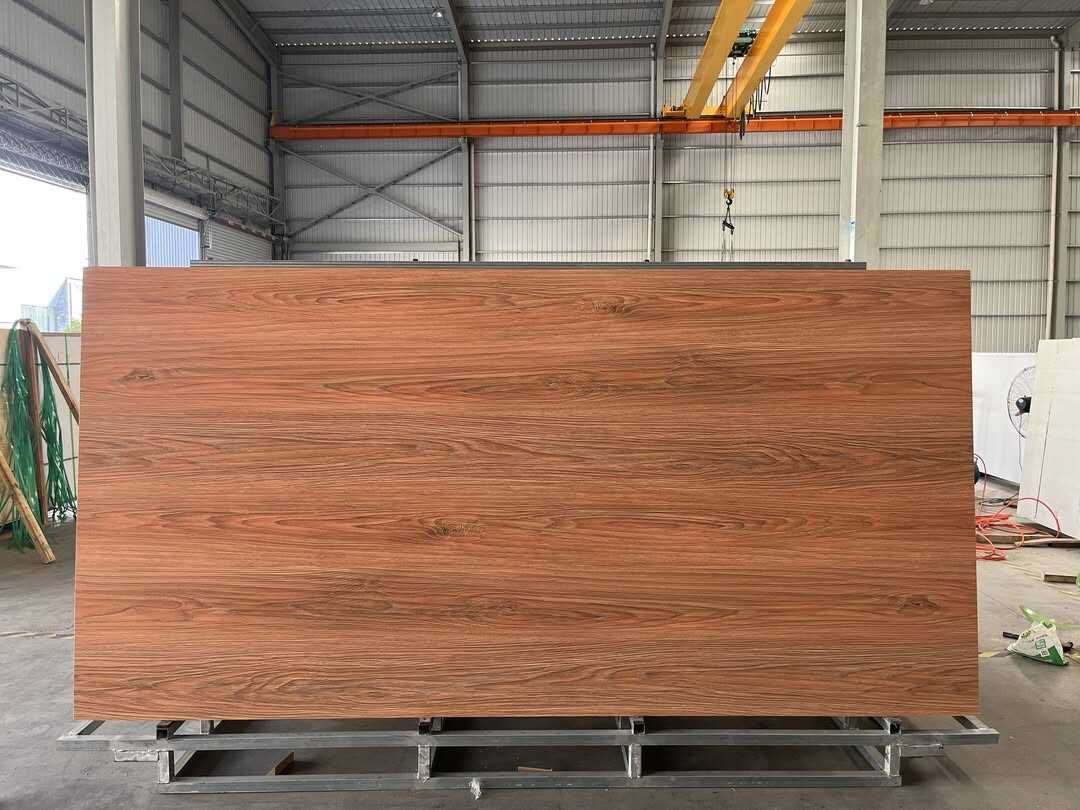
Biorąc pod uwagę wyjątkową wytrzymałość i koszty, jasne jest, że kamień spiekany jest idealnym wyborem dla wysokowydajnych obudów architektonicznych.
Najczęściej zadawane pytania
Czym jest kamień spiekany i jak powstaje?
Kamień spiekany to materiał o wysokiej wydajności, uzyskiwany poprzez połączenie surowców, ich zagęszczanie pod wysokim ciśnieniem oraz wypalanie w temperaturach przekraczających 1200 °C. Proces ten tworzy silną, całkowicie zwartą i nieprzepuszczalną powierzchnię.
Dlaczego płyty z kamienia spiekanego są idealne do okładzin zewnętrznych?
Duże formaty, całkowicie zwarte, odporność na działanie promieni UV oraz odporność na cykle mrozoodpornościowe czynią płyty z kamienia spiekanego idealnym materiałem do okładzin zewnętrznych, zapewniającym trwałą wytrzymałość i praktycznie brak konieczności konserwacji.
W jaki sposób kamień spiekany porównuje się do kamienia naturalnego w warunkach ekstremalnych?
Kamienie naturalne nie wytrzymują ekstremalnych warunków pogodowych, podczas gdy kamienie spiekane mogą przetrwać ekstremalne klimaty, degradację UV oraz cykle zamrażania i rozmrażania, zachowując przy tym swój kolor i integralność strukturalną.
Czy kamień spiekany jest bezpieczny pod względem pożądrowym w budynkach wielopiętrowych?
Kamień spiekany stanowi doskonałą opcję dla przegród budowlanych zapewniających ochronę przeciwpożarową, ponieważ jest materiałem niemieszkalnym klasy A1 i nie zmienia swojej formy nawet powyżej 1000 °C.
Jakie są korzyści finansowe wynikające z zastosowania kamienia spiekanego?
Kamień spiekany ma okres użytkowania wynoszący 50 lat i nie wymaga konserwacji, co przekłada się na oszczędności finansowe – nie trzeba ponosić kosztów uszczelniania ani naprawy fug.