Introduction: Understanding Natural Stone for Modern Projects
Natural stone is widely used in architecture, interior design, and large-scale construction projects. However, many buyers, contractors, and designers still face challenges in understanding stone classification, naming rules, material differences, and suitable applications.
This guide provides a clear and practical overview of natural decorative stone, helping you make better material decisions for residential and commercial projects.
1.How Is Natural Stone Classified?
According to industry standards, natural decorative stone is generally divided into six main categories:
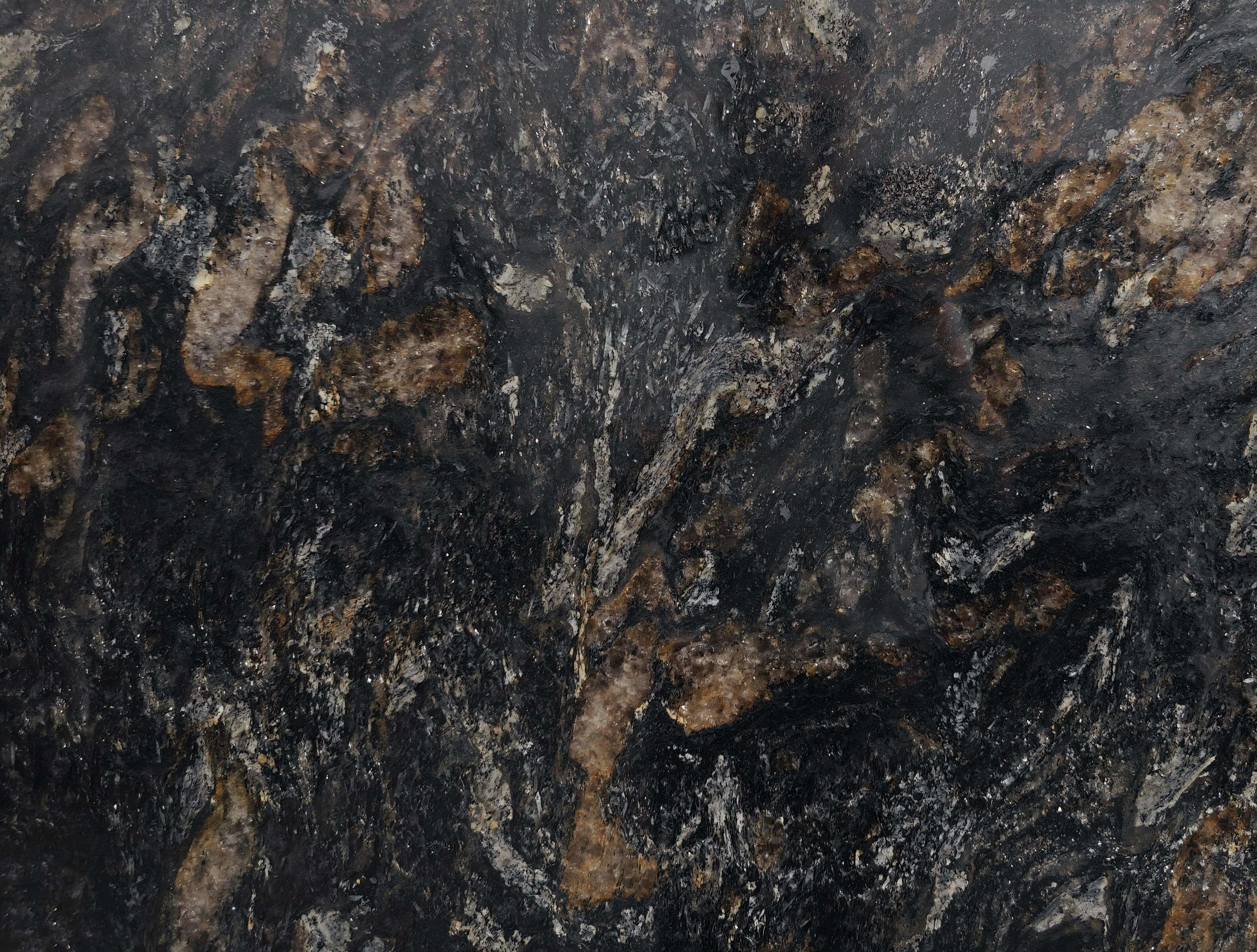
Granite
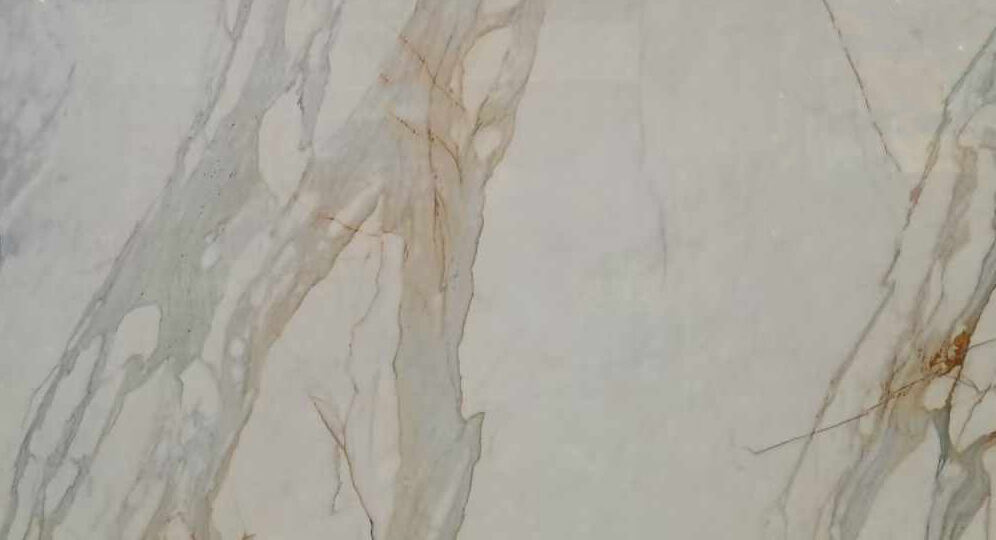
Marble
Limestone
Quartzite
Slate
Other natural stones
Each type differs in mineral composition, durability, hardness, and performance.
For example, granite is ideal for outdoor and high-traffic applications, while marble is more suitable for interior spaces that prioritize aesthetics.
2. How Are Natural Stone Varieties Named?
Natural stone is typically named based on a combination of:
Color and background tone
Vein pattern and texture
Quarry location or origin
These names help describe the stone’s visual appearance and decorative characteristics.
However, it is important to note that commercial stone names do not always strictly correspond to the actual quarry location, as some names are influenced by market trends or historical usage.
3. Main Mineral Composition of Natural Stone
Natural stone is formed through geological processes and contains different minerals:
Granite: composed of quartz, feldspar, and mica
Marble: mainly calcium carbonate (metamorphic rock)
Limestone: primarily calcite and sensitive to acids
Quartzite: formed from quartz-rich sandstone under high pressure
These differences directly affect durability, water absorption, processing methods, and long-term performance, which are critical factors in project material selection.
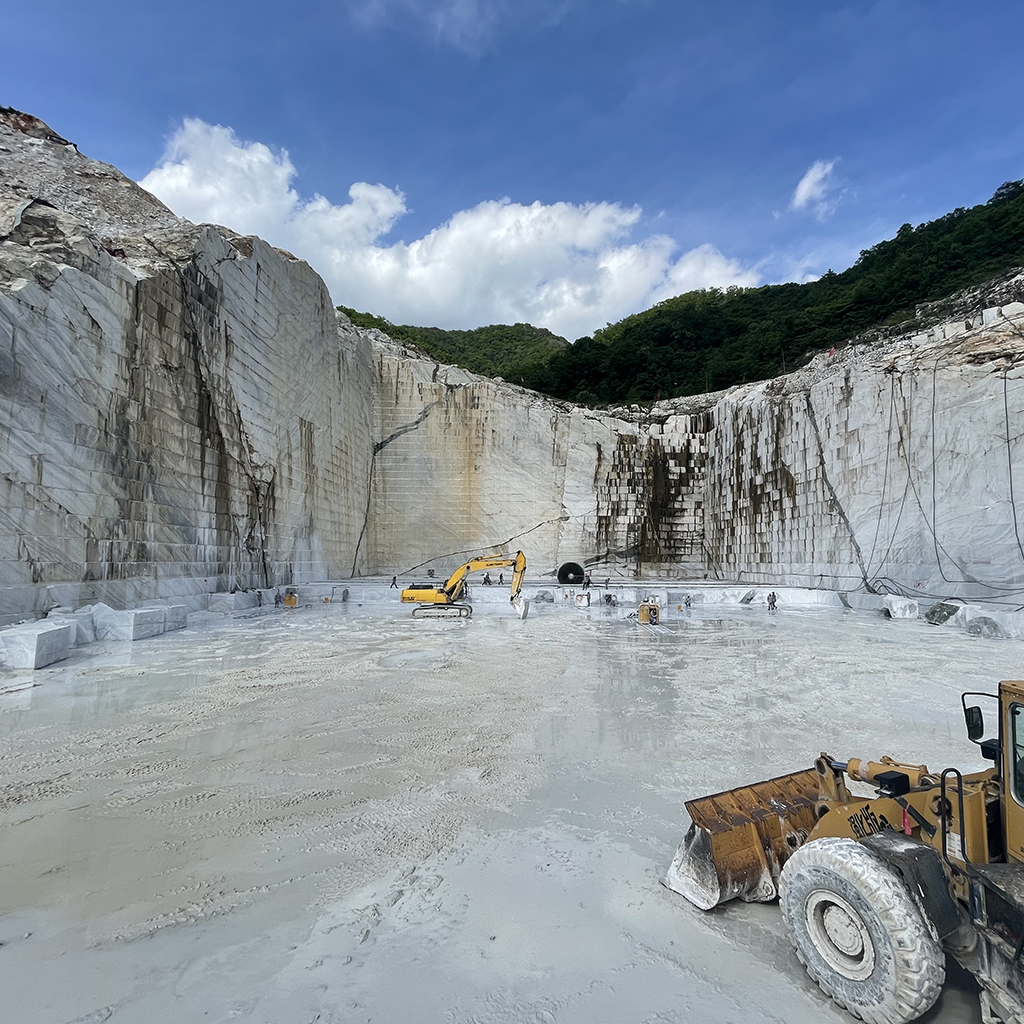
4. What Is a Stone Block and Why It Matters
A stone block refers to raw or semi-processed material extracted from the quarry. These blocks are later cut into slabs and tiles.
Block quality plays a key role in:
Slab consistency
Pattern continuity
Yield and material utilization
Final project appearance
For large projects, stable block supply is essential to ensure uniform results.
5. Granite: Characteristics and Applications
Granite is one of the most durable natural stones.
Key features:
High strength and wear resistance
Low water absorption
Excellent weather resistance
Stable color and structure
Common applications:
Exterior wall cladding
Flooring and paving
Infrastructure and heavy-use areas
Granite is especially suitable for outdoor environments and high-traffic spaces.
6. Marble: Composition and Characteristics
Marble is widely used for its natural beauty and decorative appeal.
Key features:
Rich and unique veining
Softer texture compared to granite
Easy to cut and fabricate
Higher water absorption
Common applications:
Interior flooring
Wall cladding
Countertops and decorative surfaces
Marble is often selected for luxury residential and hospitality projects.
7. Natural Stone vs Artificial Stone
Understanding the difference between natural and artificial materials is essential:
Natural Stone:
Unique, non-repetitive patterns
Formed naturally without molds
Environmentally friendly with minimal processing
Artificial Stone (Quartz, etc.):
Manufactured using resin and fillers
More uniform appearance
Designed for consistency and specific performance
Quartz products in the market are usually engineered, while quartzite is a natural stone.
8. Stone Classification by Color
From a design perspective, natural stone is often categorized by color:
White series
Beige series
Grey series
Black series
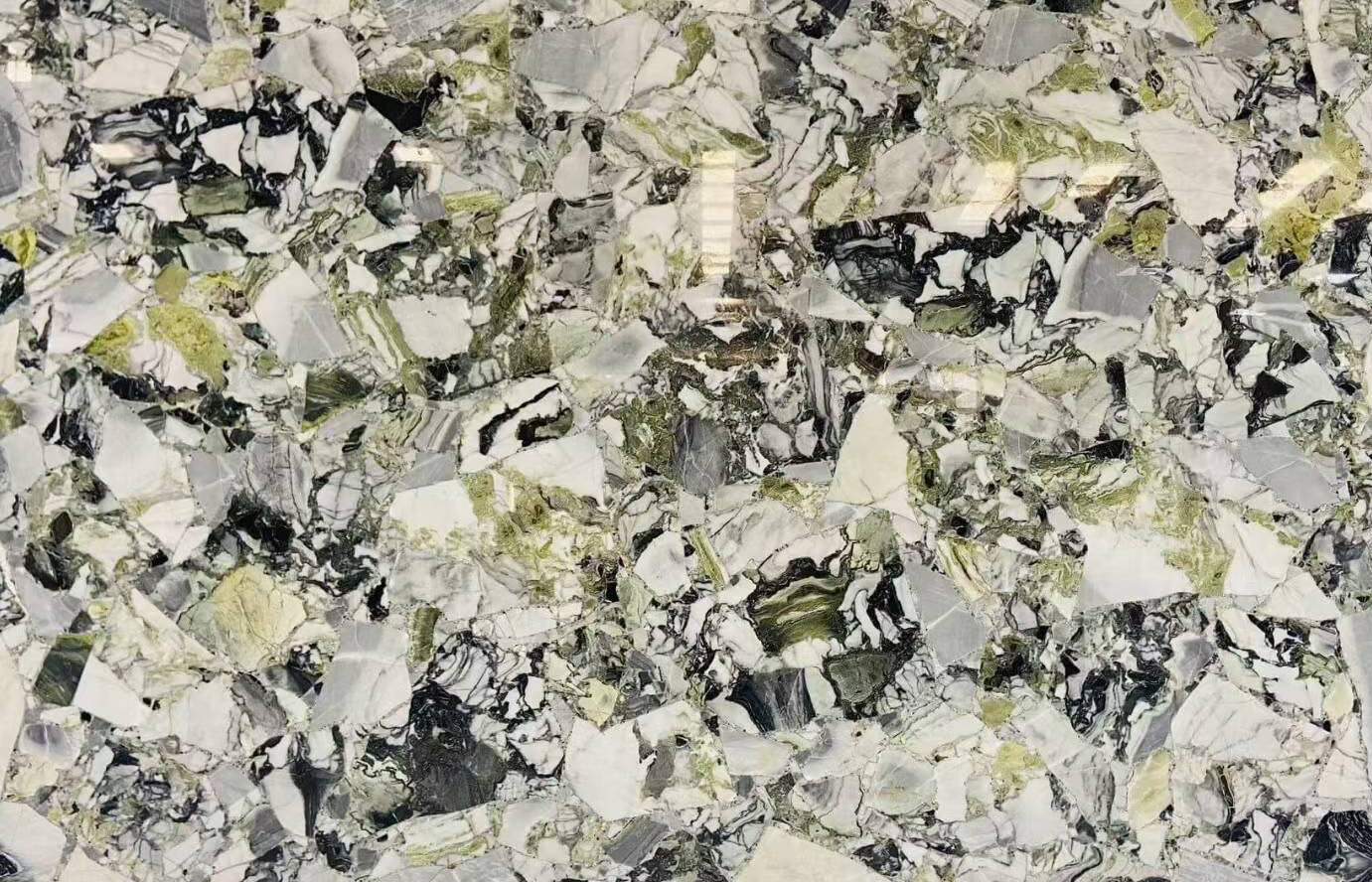
Green, blue, red, and other unique tones
This classification helps designers and architects quickly match materials with project concepts.
9. Which Stone Is Suitable for Outdoor Use?
For exterior applications, granite is generally the preferred choice due to:
Low water absorption
Strong resistance to weathering
High durability under sunlight and rain
Marble and limestone are more commonly used for interior environments.
10. How to Choose the Right Stone for Your Project
Selecting the right stone depends on project requirements:
For outdoor use: Granite or basalt
For luxury interiors: Marble or quartzite
For cost control projects: Limestone or selected marble
For high durability needs: Quartzite or granite
Understanding these differences helps ensure both design success and long-term performance.
11. Why Natural Stone Remains Widely Used
Compared with ceramic tiles and synthetic materials, natural stone offers:
Unique and natural aesthetics
Long service life
Sustainable material sourcing
High architectural and design value
These advantages make natural stone a preferred material for high-end and large-scale projects.
12.Natural Stone Supplier for Projects – YUSHI STONE
Understanding materials is only the first step. Reliable supply and fabrication are critical for project success.
YUSHI STONE is a professional natural stone supplier and manufacturer, providing:
Stable slab and block supply
Strict quality and color consistency control
Cut-to-size fabrication for project requirements
Support for hotels, villas, and commercial developments
With extensive export experience and factory-based production, we help clients ensure efficiency, quality, and consistency across projects.
Get Professional Support for Your Stone Project
Choosing the right natural stone requires both technical knowledge and reliable supply.
📩 Contact YUSHI STONE for:
Material selection support
Slab photos and samples
Project quotations
Custom fabrication solutions
We are ready to support your next project with professional stone solutions.
 Hot News
2026-04-08
2026-04-01
2026-03-19
2026-03-11
2026-03-11
2026-03-05


 EN
EN