مقدمه: درک سنگ طبیعی برای پروژههای مدرن
سنگهای طبیعی بهطور گستردهای در معماری، طراحی داخلی و پروژههای ساختوساز مقیاسبالا استفاده میشوند. با این حال، بسیاری از خریداران، پیمانکاران و طراحان هنوز با چالشهای درک طبقهبندی سنگ، قوانین نامگذاری، تفاوتهای مواد و کاربردهای مناسب مواجه هستند.
این راهنما مروری شفاف و کاربردی از سنگهای تزئینی طبیعی ارائه میدهد و به شما کمک میکند تا تصمیمات بهتری در انتخاب مواد برای پروژههای مسکونی و تجاری بگیرید.
۱. چگونه سنگ طبیعی ؟
بر اساس استانداردهای segu صنعت، سنگهای تزئینی طبیعی عموماً به شش دسته اصلی تقسیم میشوند:
گرانیت
مرمر
سنگ آهک
کوئارزیت
شیشهسنگ
سایر سنگهای طبیعی
هر نوع از نظر ترکیب معدنی، دوام، سختی و عملکرد با دیگر انواع تفاوت دارد.
برای مثال، گرانیت برای کاربردهای بیرونی و پرترافیک ایدهآل است، در حالی که مرمر برای فضاهای داخلی که اولویت آنها جنبههای زیباییشناختی است، مناسبتر میباشد.
۲. انواع سنگهای طبیعی چگونه نامگذاری میشوند؟
سنگهای طبیعی معمولاً بر اساس ترکیبی از موارد زیر نامگذاری میشوند:
رنگ و سایهٔ پسزمینه
الگوی رگهها و بافت
محل معدن یا منشأ جغرافیایی
این نامها به توصیف ظاهر بصری و ویژگیهای تزئینی سنگ کمک میکنند.
با این حال، باید توجه داشت که نامهای تجاری سنگ لزوماً همواره بهطور دقیق با مکان واقعی معدن مربوطه مطابقت ندارند، زیرا برخی از این نامها تحت تأثیر روندهای بازار یا کاربرد تاریخی قرار گرفتهاند.
۳. ترکیب اصلی معدنی سنگهای طبیعی
سنگهای طبیعی از طریق فرآیندهای زمینشناسی شکل گرفته و حاوی مواد معدنی مختلفی هستند:
گرانیت: از کوارتز، فلدسپار و میکا تشکیل شده است
مرمر: عمدتاً از کربنات کلسیم (سنگ دگرگونیشده) تشکیل شده است
سنگ آهک: عمدتاً از کلسیت تشکیل شده و در برابر اسیدها حساس است
کوارتزیت: از سنگشن سیلیسدار تحت فشار بالا تشکیل شده است
این تفاوتها بهطور مستقیم بر دوام، جذب آب، روشهای فرآورش و عملکرد بلندمدت تأثیر میگذارند که همه اینها عوامل حیاتی در انتخاب مواد پروژه محسوب میشوند.
۴. بلوک سنگ چیست و چرا اهمیت دارد
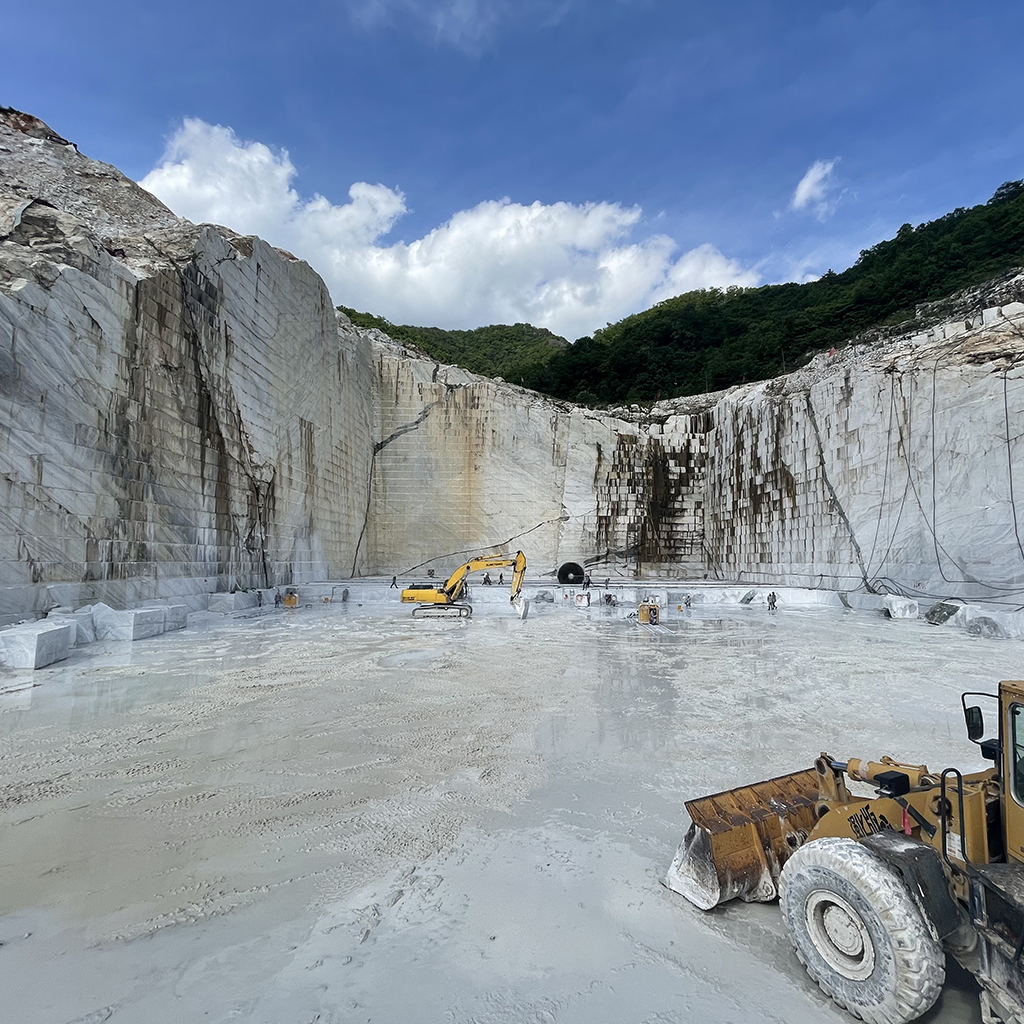
بلوک سنگ به ماده خام یا نیمهفرآورششدهای اطلاق میشود که از معدن استخراج میگردد. این بلوکها در ادامه به صفحات تخت (سلب) و کفپوشها (کاشی) برش داده میشوند.
کیفیت بلوک نقش کلیدی در موارد زیر ایفا میکند:
یکنواختی صفحات تخت (سلب)
پیوستگی الگو
بازده و بهرهبرداری از ماده
ظاهر نهایی پروژه
برای پروژههای بزرگ، تأمین پایدار بلوکها برای اطمینان از نتایج یکنواخت ضروری است.
5. گرانیت : ویژگیها و کاربردها
گرانیت یکی از بادوامترین سنگهای طبیعی است.
ویژگیهای کلیدی:
مقاومت بالا و مقاومت در برابر سایش
جذب آب کم
مقاومت بسیار خوب در برابر عوامل جوی
رنگ و ساختار پایدار
کاربردهای رایج:
پوشش دیواری بیرونی
کفپوش و فرشسازی
زیرساختها و مناطق با کاربرد شدید
گرانیت بهویژه برای محیطهای بیرونی و فضاهای پرتردد مناسب است.
6. مرمر : ترکیب و ویژگیها
مرمر به دلیل زیبایی طبیعی و جذابیت تزئینیاش بهطور گسترده استفاده میشود.
ویژگیهای کلیدی:
رگهبندی غنی و منحصربهفرد
بافت نرمتر نسبت به گرانیت
برش و ساخت آسان
جذب آب بالاتر
کاربردهای رایج:
پوشش زمین داخلی
پوشش دیوار
پ countertopها و سطوح تزئینی
مرمر اغلب برای پروژههای مسکونی لوکس و صنعت مهماننوازی انتخاب میشود.
۷. سنگ طبیعی در مقابل سنگ مصنوعی
درک تفاوت بین مواد طبیعی و مصنوعی امری ضروری است:
سنگ طبیعی:
الگوهای منحصربهفرد و غیرتکراری
بهصورت طبیعی و بدون استفاده از قالب تشکیل شدهاند
دوستدار محیطزیست با حداقل پردازش
سنگ مصنوعی ( کوارتز و غیره):
با استفاده از رزین و پرکنندهها ساخته میشوند
ظاهر یکنواختتر
برای دستیابی به یکنواختی و عملکرد خاص طراحی شدهاند
محصولات کوارتز در بازار معمولاً مهندسیشدهاند، در حالی که کوارتزیت یک سنگ طبیعی است.
۸. طبقهبندی سنگ بر اساس رنگ
از دیدگاه طراحی، سنگهای طبیعی اغلب بر اساس رنگ به دستهها تقسیم میشوند:
سری سفید
سری بژ
سری خاکستری
سری مشکی
سبز، آبی، قرمز و سایر رنگهای منحصربهفرد
این طبقهبندی به طراحان و معماران کمک میکند تا بهسرعت مواد را با مفاهیم پروژه تطبیق دهند.
۹. کدام سنگ برای استفاده در فضای باز مناسب است؟
برای کاربردهای خارجی، گرانیت عموماً گزینهی ترجیحی است به دلایل زیر:
جذب آب کم
مقاومت بالا در برابر فرسایش آبوهوایی
دوام بالا در برابر نور خورشید و باران
مرمر و سنگ آهک معمولاً بیشتر در محیطهای داخلی استفاده میشوند.
۱۰. چگونه سنگ مناسب را برای پروژه خود انتخاب کنیم
انتخاب سنگ مناسب به نیازهای پروژه بستگی دارد:
برای استفاده در فضای باز: گرانیت یا بازالتو
برای داخلسازی لوکس: مرمر یا کوارتزیت
برای پروژههای کنترل هزینه: سنگ آهک یا مرمر انتخابشده
برای نیازهای بالای دوام: کوارتزیت یا گرانیت
درک این تفاوتها به اطمینان از موفقیت طراحی و عملکرد بلندمدت کمک میکند.
۱۱. چرا سنگهای طبیعی همچنان بهطور گسترده استفاده میشوند
در مقایسه با کاشیهای سرامیکی و مواد مصنوعی، سنگ طبیعی مزایای زیر را ارائه میدهد:
زیبایی منحصربهفرد و طبیعی
عمر طولانی
منبعگیری مواد پایدار
ارزش معماری و طراحی بالا
این مزایا، سنگهای طبیعی را به مادهای ترجیحدادهشده برای پروژههای لوکس و مقیاسبالا تبدیل میکند.
۱۲. تأمینکننده سنگهای طبیعی برای پروژهها – یوشی استون
درک مواد تنها اولین گام است. تأمین قابلاطمینان و ساختوساز حیاتی برای موفقیت پروژه هستند.
یوشی استون تأمینکننده و تولیدکننده حرفهای سنگهای طبیعی است و خدمات زیر را ارائه میدهد:
تأمین پایدار تختهها و بلوکهای سنگی
کنترل دقیق کیفیت و یکنواختی رنگ
برش به اندازه مشخصشده برای نیازهای پروژه
پشتیبانی از هتلها، ویلاها و پروژههای تجاری
با تجربه گسترده در صادرات و تولید مبتنی بر کارخانه، ما به مشتریان کمک میکنیم تا کارایی، کیفیت و یکنواختی را در تمام پروژهها تضمین کنند.
دریافت پشتیبانی حرفهای برای پروژه سنگی شما
انتخاب سنگ طبیعی مناسب نیازمند داشتن دانش فنی و همچنین تأمین قابلاطمینان است.
📩 برای اطلاعات بیشتر با شرکت یوشی استون تماس بگیرید:
پشتیبانی در انتخاب مواد اولیه
عکسها و نمونههای تختههای سنگی
پیشفاکتور پروژهها
راهکارهای سفارشی ساخت و تولید
ما آمادهی ارائهی راهحلهای حرفهای سنگی برای پروژهی بعدی شما هستیم.
 اخبار داغ
2026-08-05
2026-07-07
2026-06-15
2026-06-04
2026-05-29
2026-05-14


 EN
EN