 EN
EN

Marble Wall Tile vs. Wall Panels: Which Fits Your Project?
For a commercial stone wall, the choice between wall marble tile and fabricated marble wall panels is not simply a question of appearance. Both a wall marble tile layout and a panel layout can deliver the veining, depth, and natural variation that make marble memorable. The better choice depends on the elevation, joint strategy, substrate condition, fabrication scope, installation sequence, and how the finished surface will be maintained over time.
Project teams often begin with a visual reference and then discover that the format changes nearly every downstream decision. A small-format wall marble tile layout is modular and adaptable. A larger panel scheme can create a quieter, more continuous face, but it also requires earlier coordination. This comparison is intended for architects, contractors, designers, and material buyers evaluating commercial stone wall cladding—not for choosing a “winner” in every situation.
Start with the wall you are trying to create
A wall marble tile assembly expresses pattern through repetition: grout or movement joints become part of the composition, and modules can follow corners, openings, and changing dimensions with relatively little custom cutting. It can suit lobbies, washrooms, corridors, feature niches, and other areas where a clear grid complements the design.
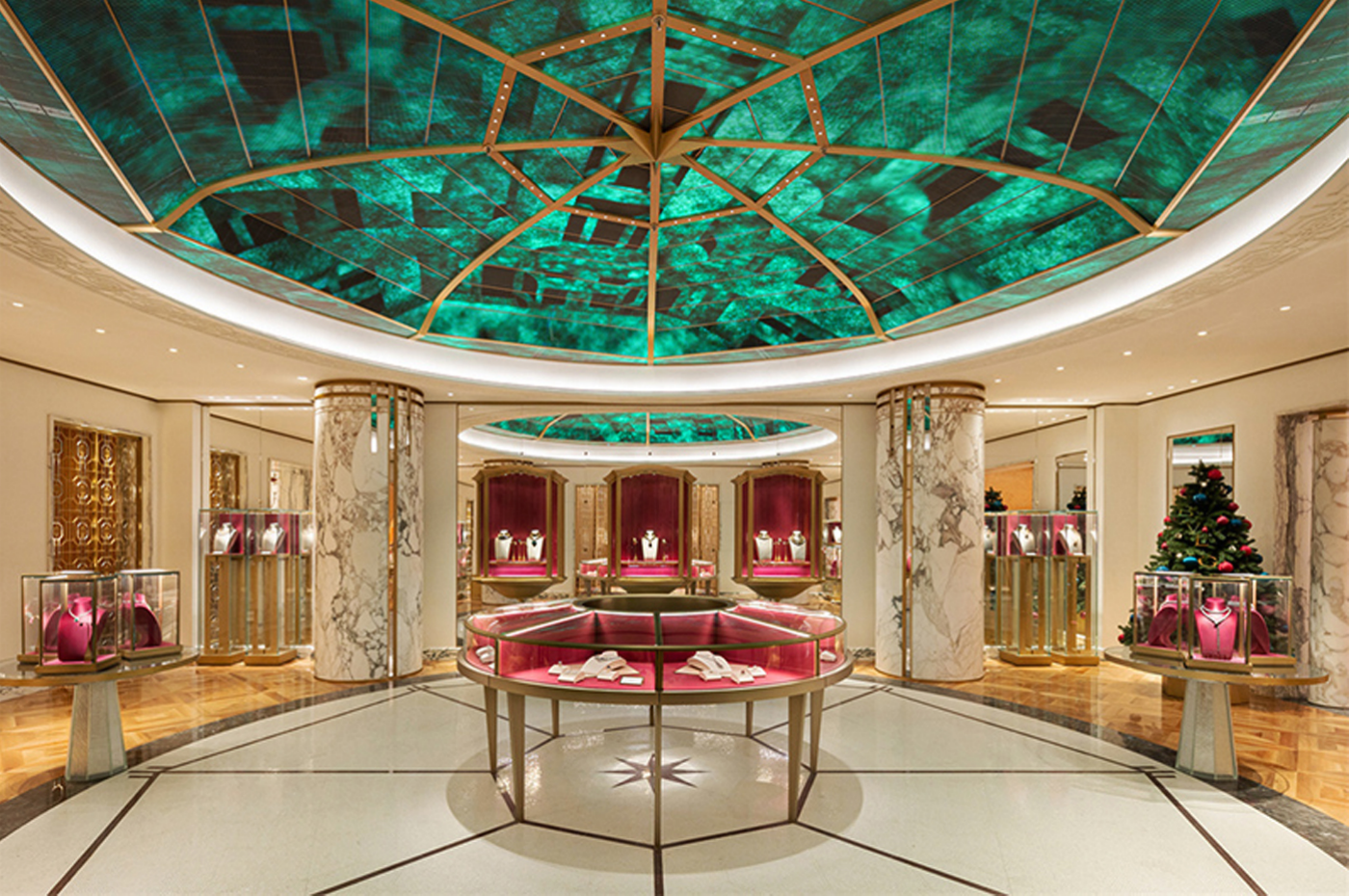
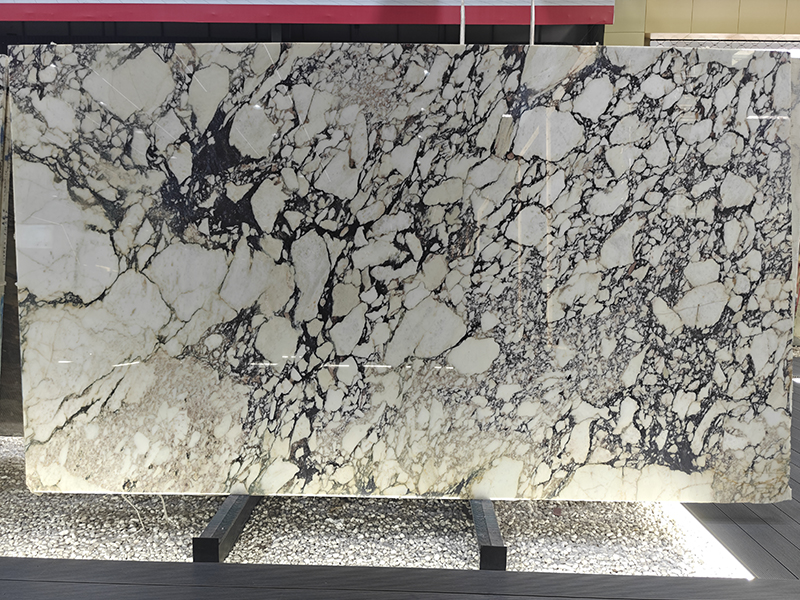
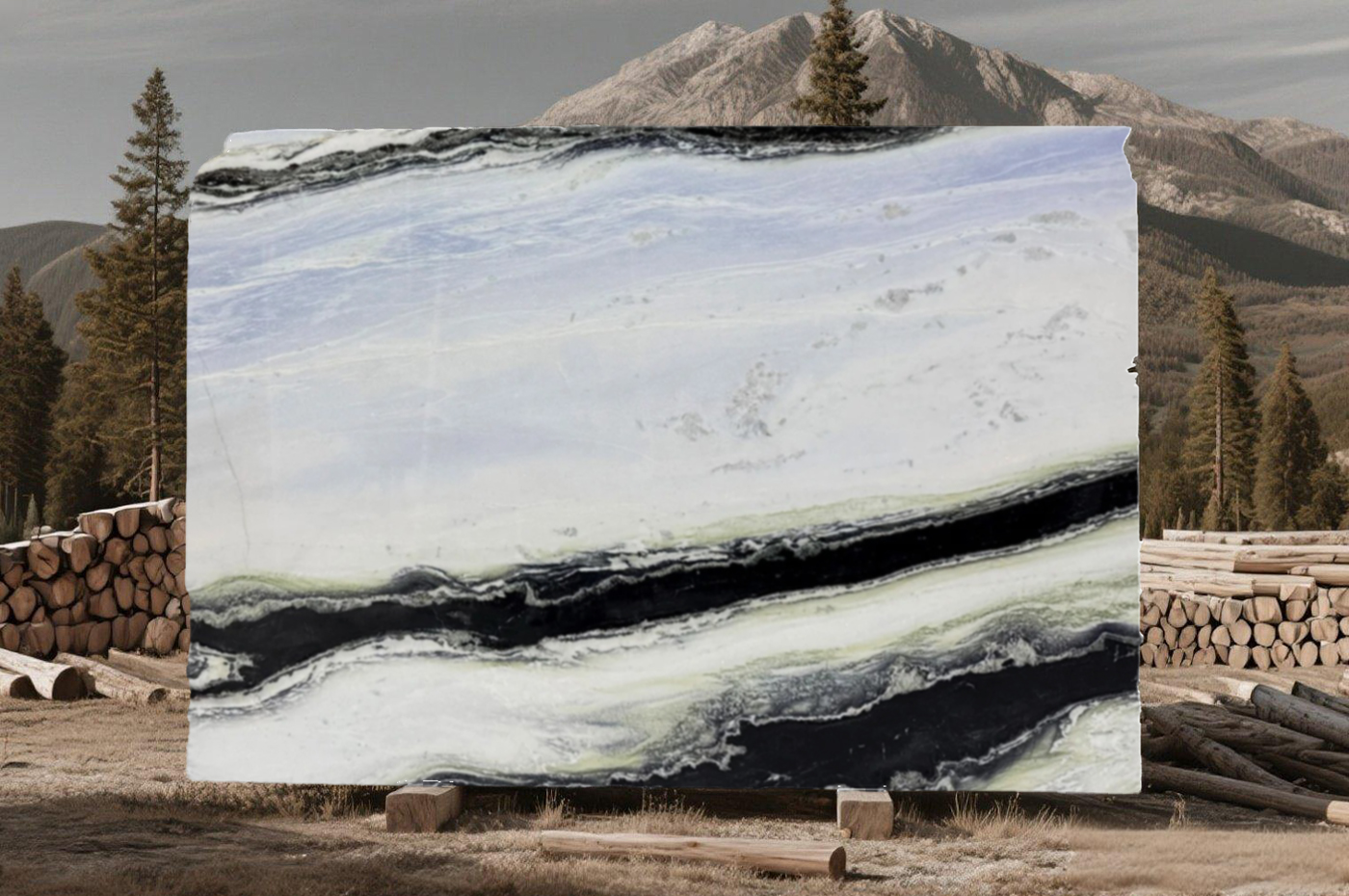
For a wall marble tile alternative, panels shift the emphasis from module to surface. Larger pieces reduce the number of visible joints and can allow veins to be book-matched or sequenced across an elevation. Fluted, ribbed, or other profiled panels add shadow and texture that flat tile cannot create in the same way. Where the drawing calls for a continuous hotel reception backdrop, a tall focal wall, or a carefully aligned natural-stone composition, panel fabrication is often worth considering.
Neither format makes marble more or less “real.” The decision is about how the material is divided, detailed, transported, installed, and replaced.
Visual difference: a jointed field or a continuous composition?
| Question | Wall marble tile | Marble wall panels |
|---|---|---|
| Desired reading distance | A repeatable grid can remain legible and orderly at close range. | Large pieces make vein direction and overall composition more prominent. |
| Joint expression | Joints are a deliberate visual rhythm and can help manage irregular geometry. | Fewer joints create a calmer face, but every joint location needs more early design attention. |
| Texture | Usually a flat or lightly textured modular finish. | Can accommodate fluting, grooving, returns, and other fabricated profiles where appropriate. |
| Sample review | Confirm shade range, finish, module size, and grout relationship. | Confirm slab selection, panel layout, vein sequencing, edge details, and mock-up expectations. |
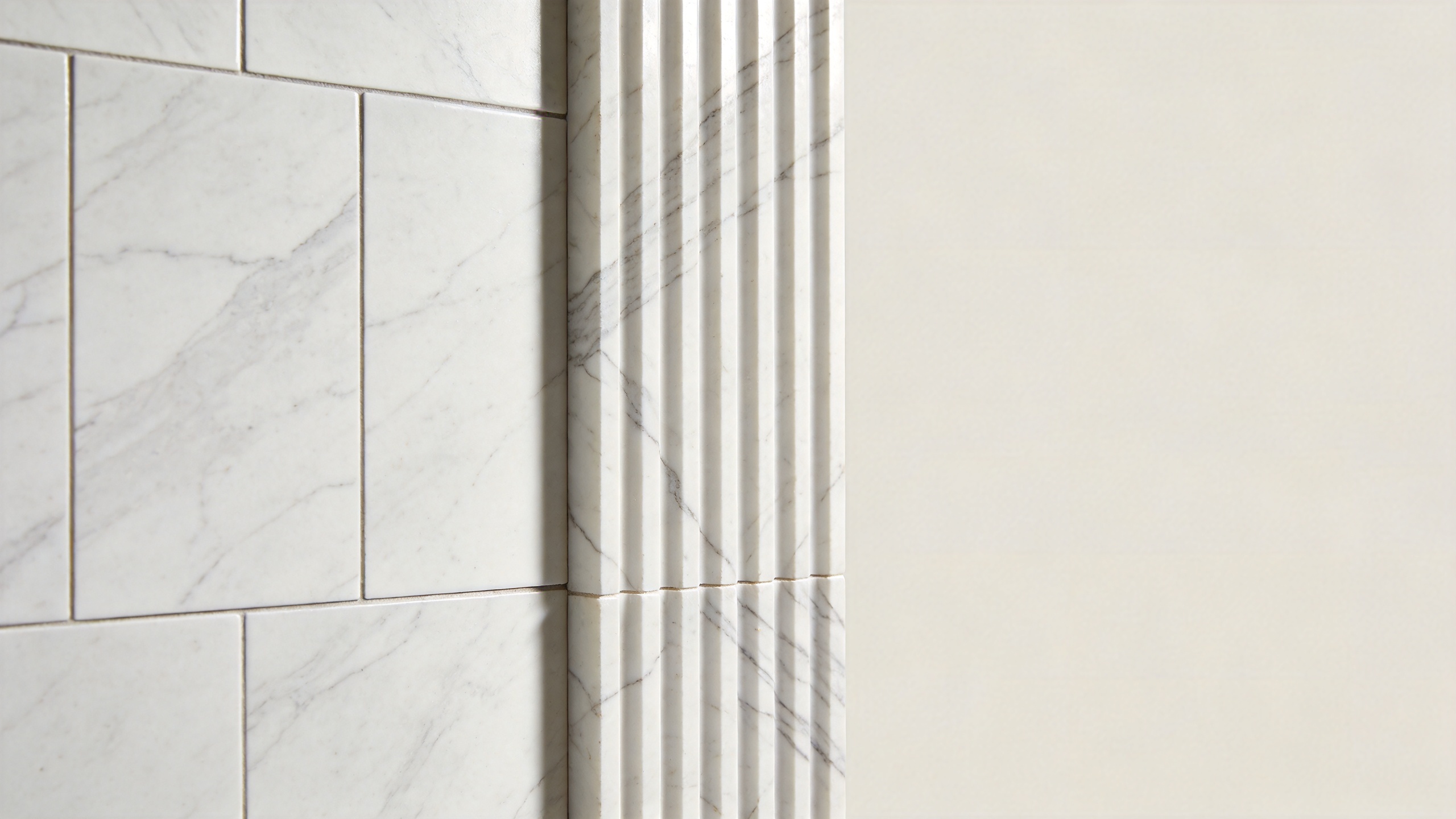
For a wall marble tile scheme, tile size matters as much as stone color. Larger tiles can reduce grout lines while retaining modularity; smaller pieces can negotiate reveals and offsets more easily. For a wall marble tile versus panel decision, shop drawings and dry-layout review often carry more weight because the finished elevation depends on how individual pieces relate to one another.
Fabrication and installation coordination change with format
A wall marble tile package can often be released in a simpler schedule once size, finish, quantity, and setting approach are defined. Panels normally require more information before cutting: verified field dimensions, joint locations, edge treatments, backing or fixing requirements, handling limits, and the intended installation sequence. A panel that looks straightforward in an elevation may need additional planning around doors, outlets, returns, or substrate transitions.
This is also where teams should separate design intent from installation responsibility. Natural-stone façade guidance notes that movement joints may be required in adhered thin-stone systems to accommodate expansion, contraction, and structural movement. Referenced façade guidance also attributes the location and detailing of movement joints to the design professional. In practical terms, do not decide the joint pattern only after material arrives: confirm the wall assembly, movement provisions, and applicable local requirements with the responsible project professionals before fabrication.
For a wall marble tile installation, the modular format can make local adjustment and future piece replacement more manageable. For large wall panels, tolerances and handling deserve special attention. Larger pieces can reduce on-wall joints, but they are less forgiving of late changes to openings or out-of-plumb substrates. The right choice is the one that matches the project’s coordination maturity.
Budget: compare total project work, not unit price alone
A tile quotation and a panel quotation describe different scopes. A wall marble tile option may have a more accessible material entry point, yet total cost still depends on layout complexity, cuts, setting method, site conditions, waste, and labor. Panels can introduce costs for slab selection, CNC processing, edge finishing, profiling, crating, transport, lifting, and mock-ups. Those costs may be justified when the elevation needs a high-impact continuous stone statement.
Ask suppliers to make the comparison transparent. A useful commercial comparison separates material, fabrication, finishing, packaging, freight assumptions, and installation-related exclusions. It should also state whether the price includes sequencing, labeling, and approved shop drawings. This makes it easier to compare a wall marble tile alternative with a panel alternative without treating them as equivalent commodity products.
Choose by project condition, not by trend
Choose wall marble tile when:
- The design benefits from a visible modular grid or balanced grout rhythm.
- The wall has many corners, penetrations, small returns, or dimension changes.
- The programme needs a format that can be adjusted with less custom fabrication.
- Future local replacement is an important maintenance consideration.
- The project needs a familiar wall marble tile installation workflow, subject to the specified wall system.
Choose fabricated marble wall panels when:
- The design intent is a broad, continuous natural-stone composition with fewer visible breaks.
- Vein matching, fluting, or a tailored edge profile is central to the visual concept.
- Field dimensions, interfaces, and installation sequencing can be confirmed early.
- The project can accommodate fabrication review, packing plans, and handling coordination.
- The value of the focal elevation supports a more custom material workflow.
A practical procurement checklist
- Define the elevation: mark visible joint zones, corners, access panels, reveals, and transitions before selecting the format.
- Review samples in context: assess marble under the project lighting, beside adjacent finishes, and at the intended viewing distance.
- Confirm the technical path: coordinate substrate readiness, fixing or adhesion approach, movement-joint details, and site responsibilities with the appropriate professionals.
- Request a layout: use a tile setting-out drawing or a panel shop drawing to review cut locations, vein direction, and edge treatments.
- Plan logistics: align package sizes, labeling, delivery sequence, and site access with the selected wall marble tile or panel format.
- Set acceptance criteria: agree on allowable natural variation, finish, joint appearance, and mock-up approval before production.
Where a fluted marble panel can fit
When a project calls for dimension and shadow rather than a flat stone field, a profiled option can be evaluated alongside tile. For example, White Rhino Marble Fluted Wall Panels can be reviewed as a format reference for a textured feature-wall concept. The final selection should still be based on the approved sample, fabrication drawings, confirmed installation approach, and project-specific performance requirements.
Final decision: let the wall assembly lead
Choose wall marble tile when modular control, adaptable setting-out, and a visible joint rhythm serve the project. Choose marble wall panels when the elevation needs a more continuous composition and the team can support the required fabrication and installation coordination. For many commercial interiors, the strongest outcome comes from making the decision early—while the wall design, adjacent trades, and stone layout can still be aligned.
Before issuing a purchase order, compare approved samples and drawings rather than photographs alone. That is the most reliable way to ensure the selected marble format works visually and practically for the finished project.