 EN

Calacatta Viola Marble: Applications for Hotels, Kitchens, and Feature Walls
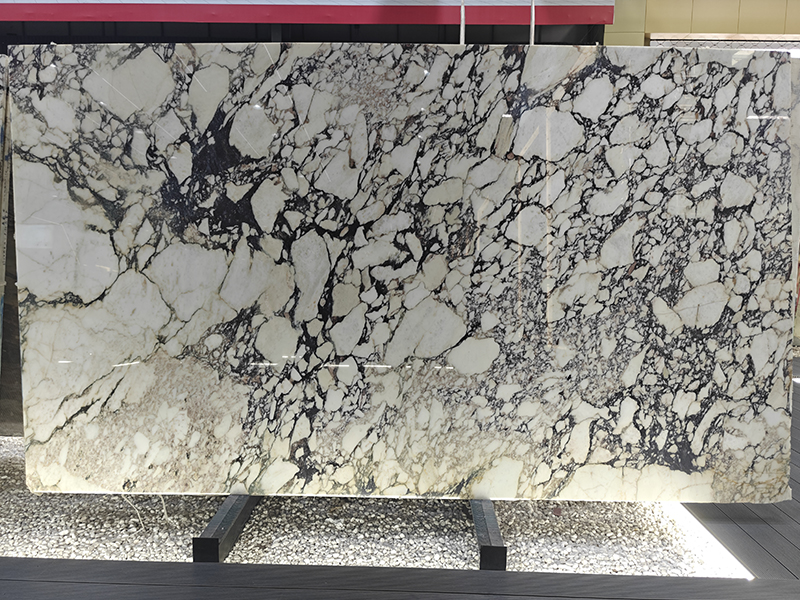
Calacatta Viola is a natural marble chosen when a project needs more than a neutral surface. Its light background and wine, burgundy, and violet movement give every slab a strong visual identity. For architects, interior designers, and commercial stone buyers, the important question is not simply whether the material is beautiful. It is where its variation will add value, how the slabs should be laid out, and what level of care the finished space can support.
This guide follows Calacatta Viola through three useful applications: hotel public areas, kitchen islands, and full-height feature walls. It also explains how to brief a fabricator and approve slabs without treating a natural material as if it were a repeat-pattern surface.
What Makes Calacatta Viola Different?
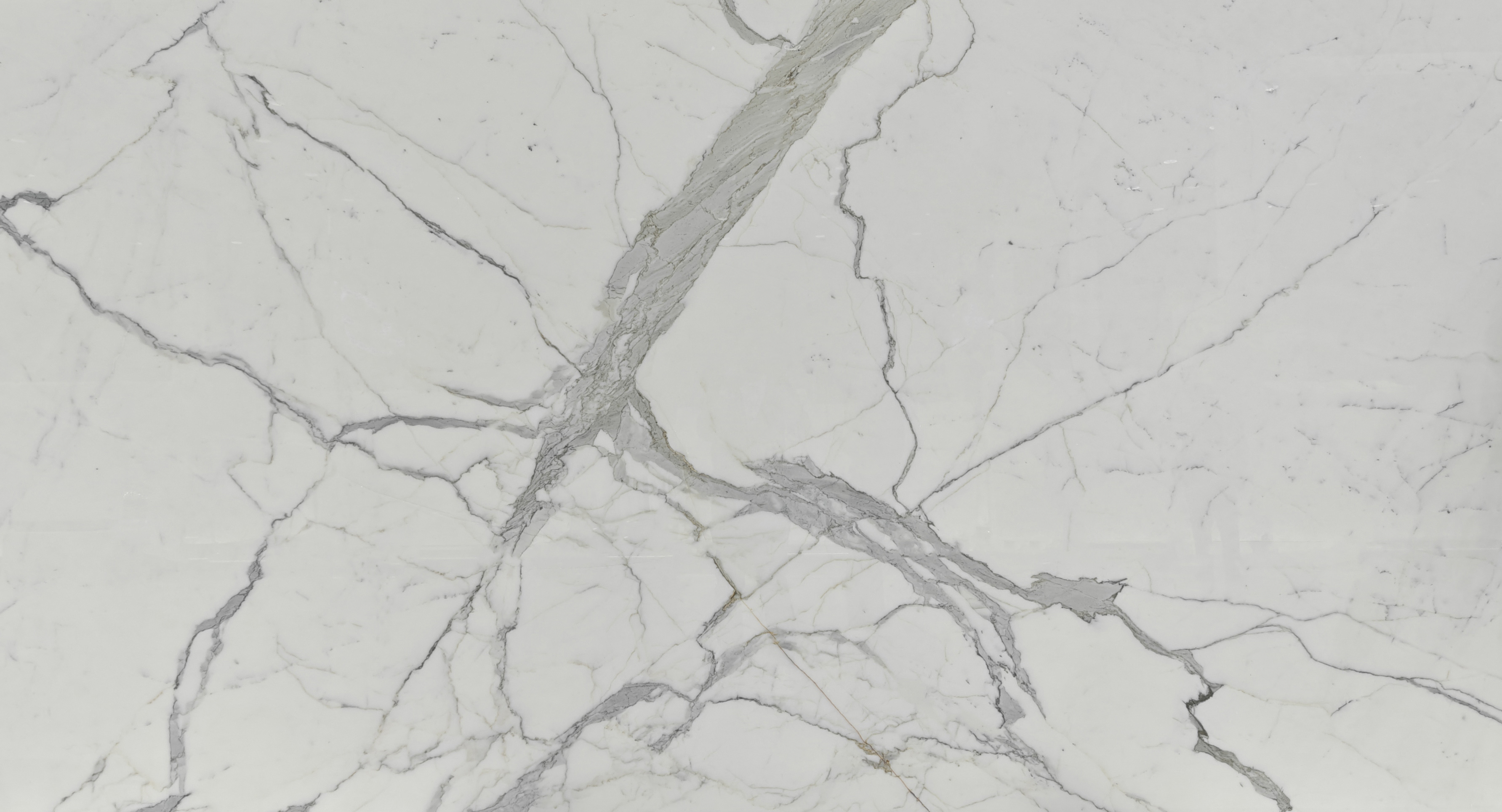
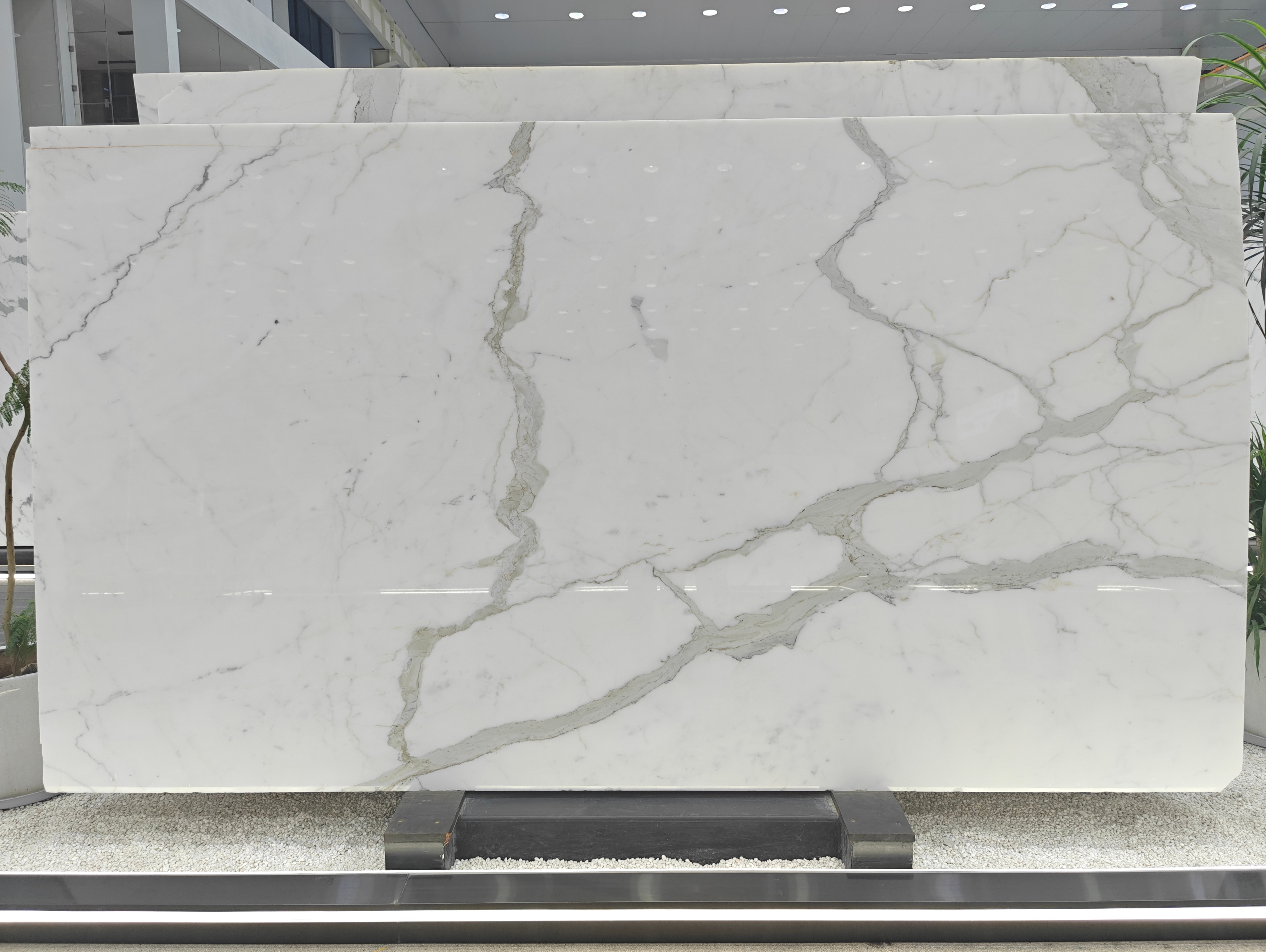
Calacatta Viola has a pale field interrupted by expressive veins that can read as plum, oxblood, rust, or violet depending on the individual block, finish, surrounding light, and camera. That contrast is deliberate: a quiet white stone may disappear into a large room, while Calacatta Viola can organize the room around one intentional focal plane.
Because it is natural stone, there is no single “standard” face. One slab may show broad flowing ribbons; another may contain tighter fragments, open white zones, or more concentrated color. Treat those differences as design inputs at the sampling stage. Approval should be based on current slab photography, physical samples where possible, and a vein-layout drawing for any highly visible installation.
Using Calacatta Viola in Hotels and Hospitality Spaces
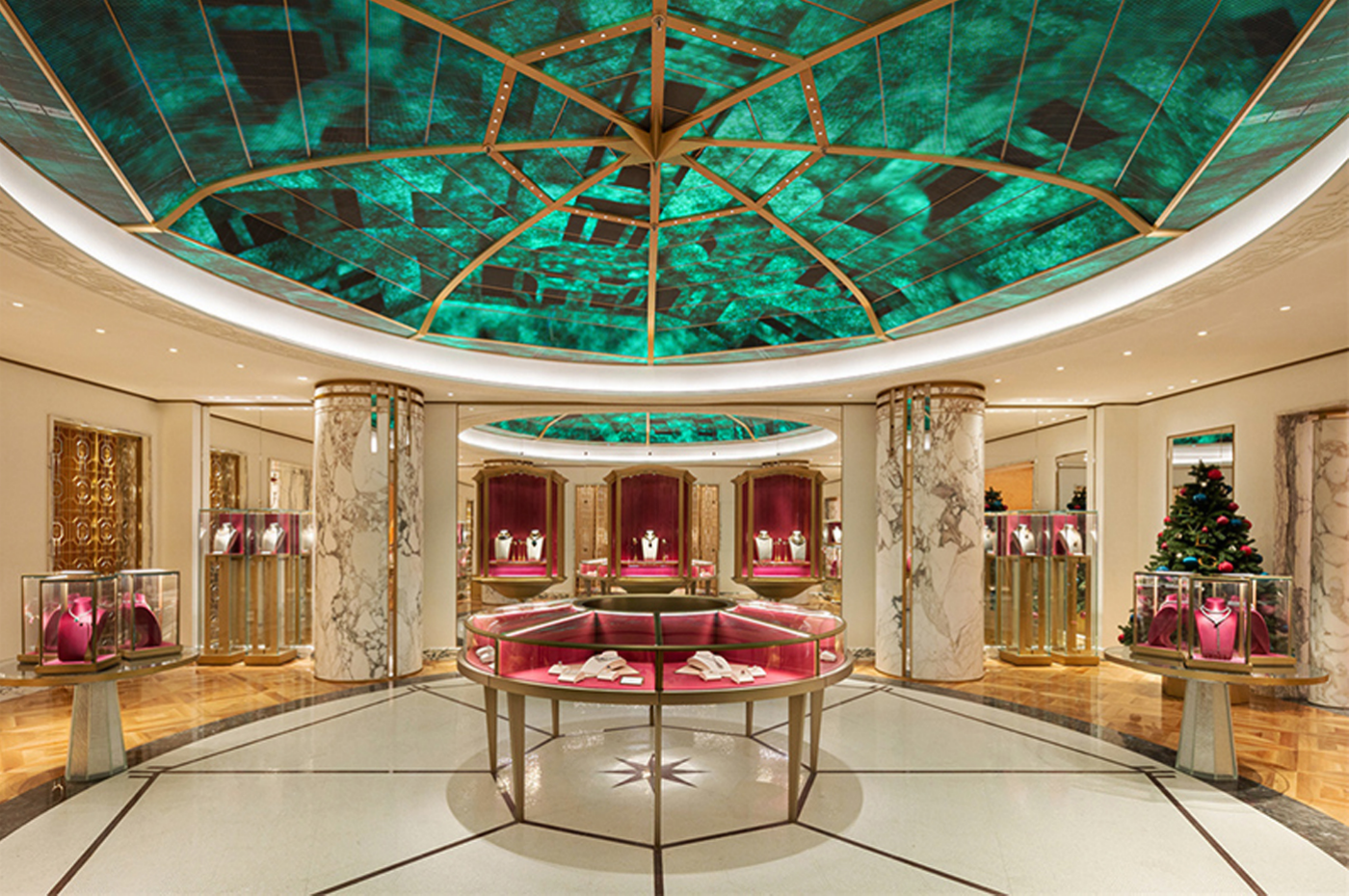
In hospitality projects, Calacatta Viola is particularly effective where guests pause, orient themselves, or photograph the space: a reception backdrop, lift lobby, bar front, private dining entrance, executive lounge wall, or a framed washroom vanity zone. It can create a memorable arrival moment without requiring every surface in the property to be highly decorative.
For a hotel lobby, keep the material concentrated on the most visible elevation and use calmer companion finishes on adjacent walls and floors. Warm white plaster, brushed metal, timber, and softly textured upholstery allow the marble to remain legible. If the project uses multiple slabs, a dry layout is especially valuable: it lets the design team decide where the densest color should sit and where quieter pieces should transition into corners, portals, or joinery.
In high-touch areas, coordinate edge details, cleaning procedures, and protection during installation before fabrication begins. Calacatta Viola can deliver a polished luxury expression, but the specification should also account for movement joints, substrate preparation, lighting reflections, and the practical access needed for long-term cleaning.
Calacatta Viola for Kitchen Islands and Backsplashes
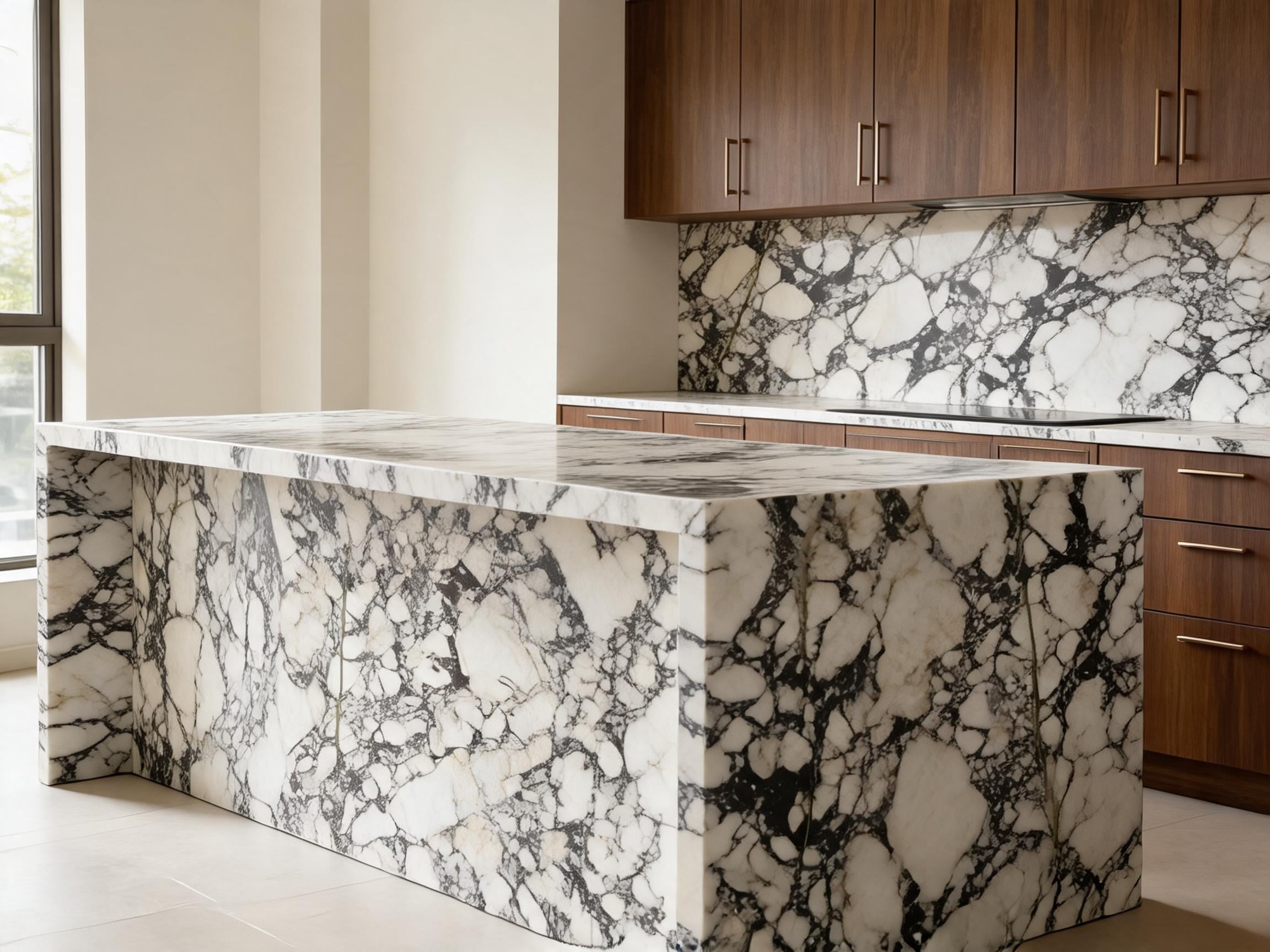
A Calacatta Viola kitchen island is often most successful as one composed statement rather than a collection of disconnected pieces. Start by deciding which face carries the strongest movement: the horizontal worktop, a waterfall end, the seating-side cladding, or the backsplash beyond it. A vein map helps preserve continuity across mitred returns and reduces the chance of a major break in the most visible sightline.
For kitchens, pair the stone with restrained cabinetry. Deep walnut, muted oxblood, warm grey, cream lacquer, or brushed bronze can all echo the marble without competing with it. Highly patterned flooring, busy cabinet grain, and too many contrasting metals can make the overall composition feel unsettled. A simple palette gives Calacatta Viola enough visual space to work.
Marble is a considered choice for a working kitchen, not a maintenance-free one. An impregnating sealer is commonly used as an added precaution against staining, but it makes stone more stain resistant rather than stain-proof. Discuss everyday use honestly with the client: wipe spills promptly, use suitable stone-care products, and plan for a surface that can develop character over time. Where the project needs a marble statement, the Calacatta Viola Marble Slab page can be used to begin a slab-selection conversation.
Feature Walls: Let the Veining Set the Composition
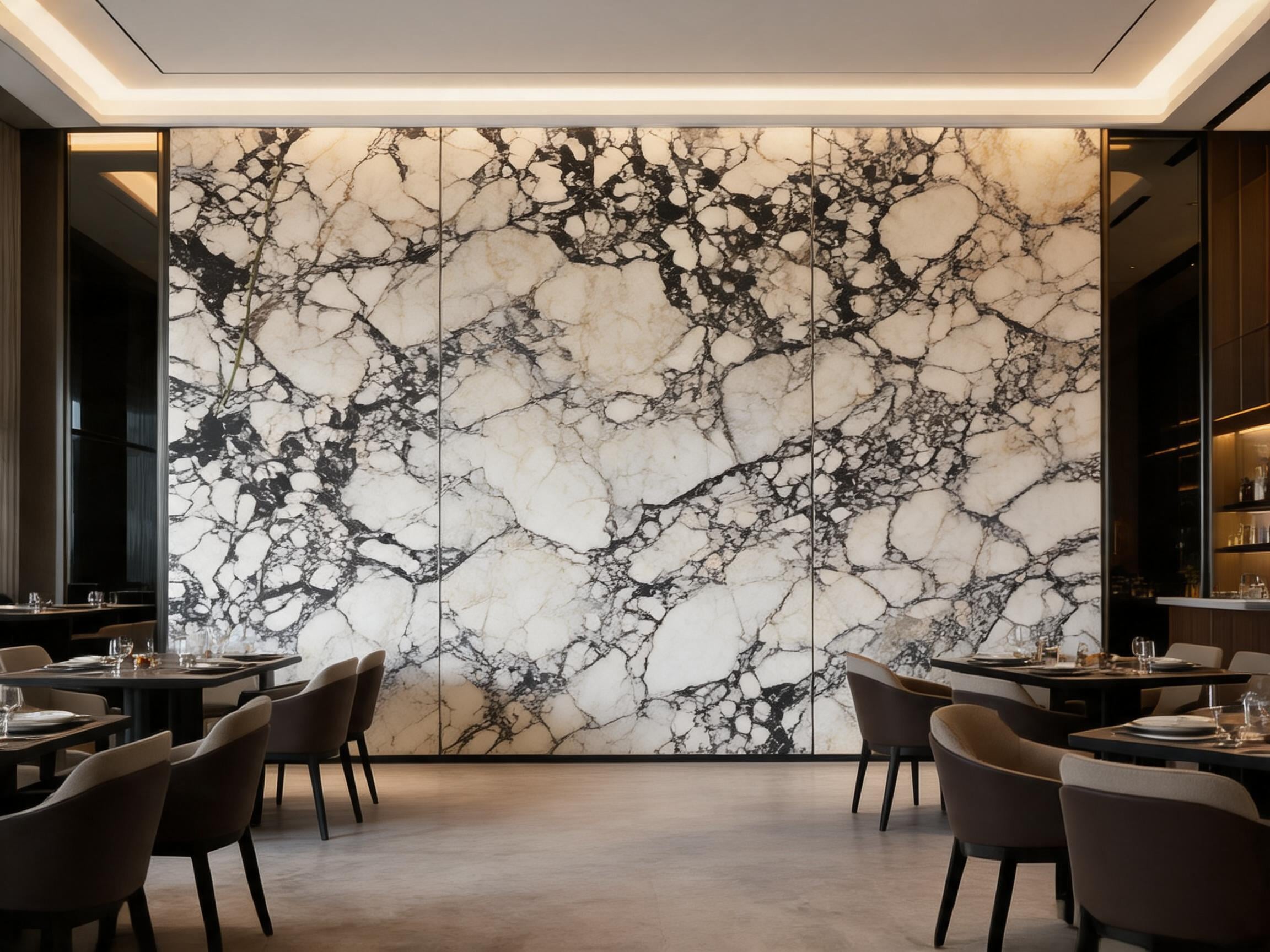
For a fireplace surround, staircase wall, dining-room focal point, boutique retail backdrop, or hotel reception wall, Calacatta Viola gains impact from scale. Full-height panels usually show the stone more convincingly than many small cuts because they preserve the movement of the original slab.
Bookmatching can be effective when the selected slabs contain a vein pattern that opens outward from a central joint. It is not an automatic upgrade for every block: some slabs look stronger in a directional sequence, while others benefit from a single uninterrupted panel. Ask for a numbered elevation before cutting so the team can review panel order, joint positions, outlet locations, and the relationship between the strongest veining and furniture or signage.
Lighting needs the same attention as layout. Grazing light can emphasize texture and joints, while broad, even illumination tends to reveal color and pattern more calmly. Test the stone under the project’s intended color temperature before final approval, particularly when the marble will sit beside painted whites or warm metals.
Choosing a Finish, Thickness, and Layout
| Decision point | What to consider |
|---|---|
| Finish | Polished surfaces emphasize depth and color; honed finishes offer a softer, lower-glare appearance. Confirm the visual sample for the actual application. |
| Panel size | Favor larger faces in focal areas, but align panel dimensions with access, handling, substrate conditions, and safe installation methods. |
| Vein layout | Review a slab map before fabrication. Decide whether the design calls for bookmatching, a directional run, or individually framed panels. |
| Edges and joints | Coordinate mitres, reveals, trim, and movement joints early so the stone looks intentional rather than patched around building conditions. |
| Companion materials | Choose one or two calmer supporting finishes, then verify them against the approved slab—not only a generic color board. |
A Practical Slab-Selection Checklist
- Define the primary viewing distance and the focal elevation before choosing slabs.
- Request current images or a live review of the available material; do not approve solely from a named-stone reference photo.
- Mark the desired direction of movement and identify areas where a bookmatch is genuinely required.
- Confirm the finish, thickness, edge treatment, and panel-joint plan together rather than as separate decisions.
- Review maintenance expectations with the owner, operator, or homeowner before installation.
Bringing the Material into a Balanced Interior
Calacatta Viola has the strongest effect when it has a clear job to do: welcome guests, anchor an island, frame a feature wall, or create a memorable transition between spaces. Let its natural variation lead the composition, then use lighting, joinery, and quieter materials to support it. That approach produces a more durable visual result than trying to force every slab into an identical pattern.
For commercial, residential, and public-project stone discussions, Xiamen Yushi Import & Export Co., Ltd. can help project teams start with the available slab direction and the intended application. Share the elevation, approximate quantities, finish preference, and installation context so the selection conversation can focus on the visual outcome as well as the fabrication plan.