
 EN
EN
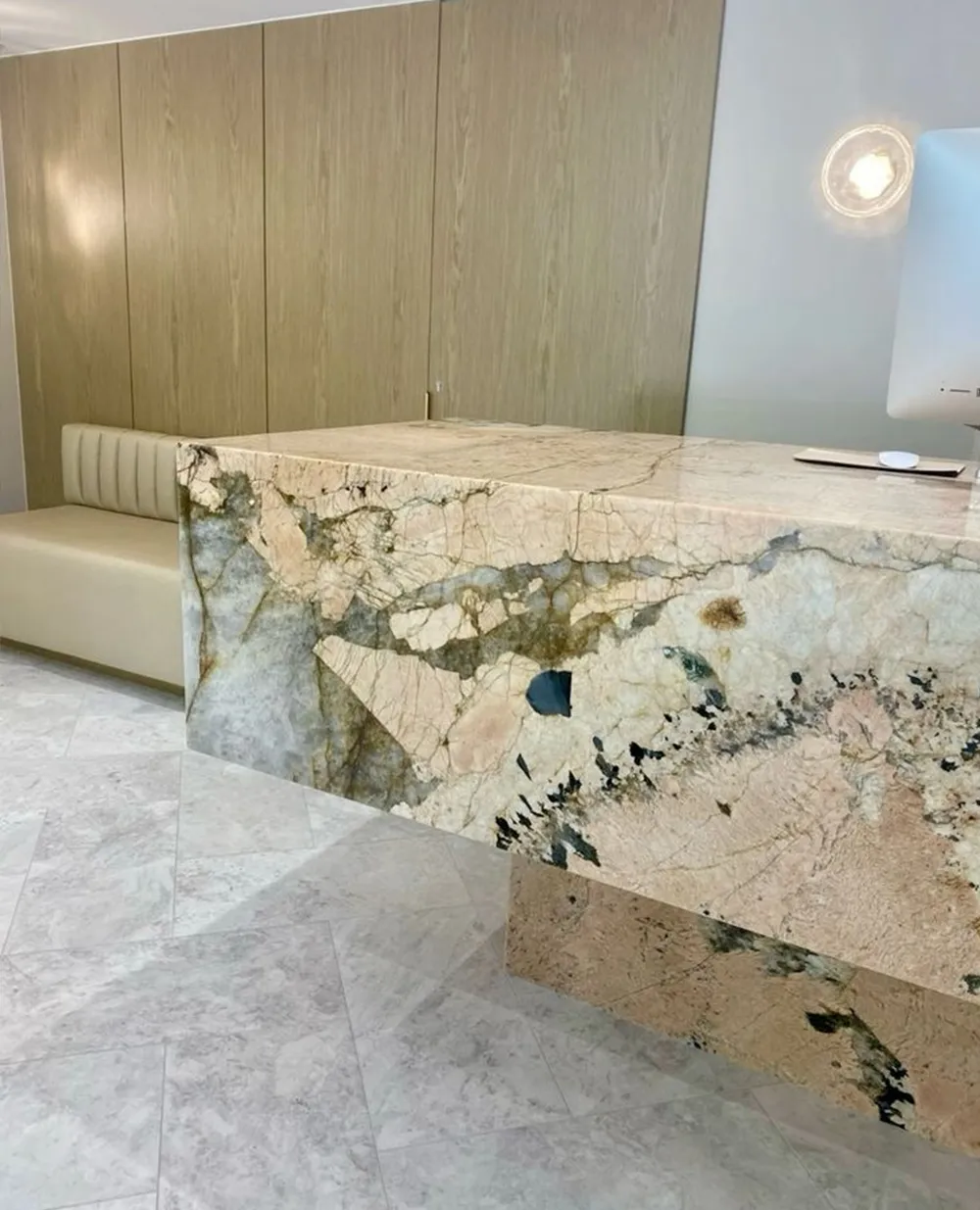
Unmatched Durability: Real World Luxury Applications Show White Quartzite's Sampled Durability Will Outlast Marble and Granite
Mohs Scale Hardness, Acid Resistance, and Structural Integrity Compared to Other Luxury Stones
When it comes to luxury stones, white quartzite wins for its durability, rated at 7-8 on the Mohs scale. Marble is rated 3-5 and granite is rated 5-7. This is due to quartzite's impressive crystalline structure. It has the ability to withstand daily wear and tear in the kitchen with little to no scratches while maintaining its appearance. Marble, on the other hand, has a very different experience. Marble is quickly etched, for example, if lemon juice or wine is spilled on it, this leads to permanent damage. Acids cannot penetrate quartzite and will not damage its shine , similar to granite and marble which are much more affected by acid damage. Granite will also become damaged due to sudden temperature fluctuations and will chip when a heavy object is dropped on it. Quartzite is uniquely dense and consistent in grain, so it is not susceptible to these issues.
Case Evidence: Taj Mahal Quartzite in 5-Star Kitchens — Zero Etching or Chipping After 7 Years
Taj Mahal Quartzite is a material that has very good performance in commercial use in five star hotels for seven years, where it has been used in environments with constant commercial use. It has been documented that the material has been exposed to over 12 thousand meals per year, where it has had contact with lemons, cooking oil, hot pans straight from the grills, and other items that could damage a countertop. It has been documented by hotel staff that they had to perform maintenance on the quartzite surfaces almost half as many times as they had to on the marble. Silica content is the reason it has such good performance. Silica prevents the formation of cracks that would be formed by repeated heating and cooling cycles, therefore the quartzite maintains its good appearance even with the extreme conditions of a busy kitchen and dining room.
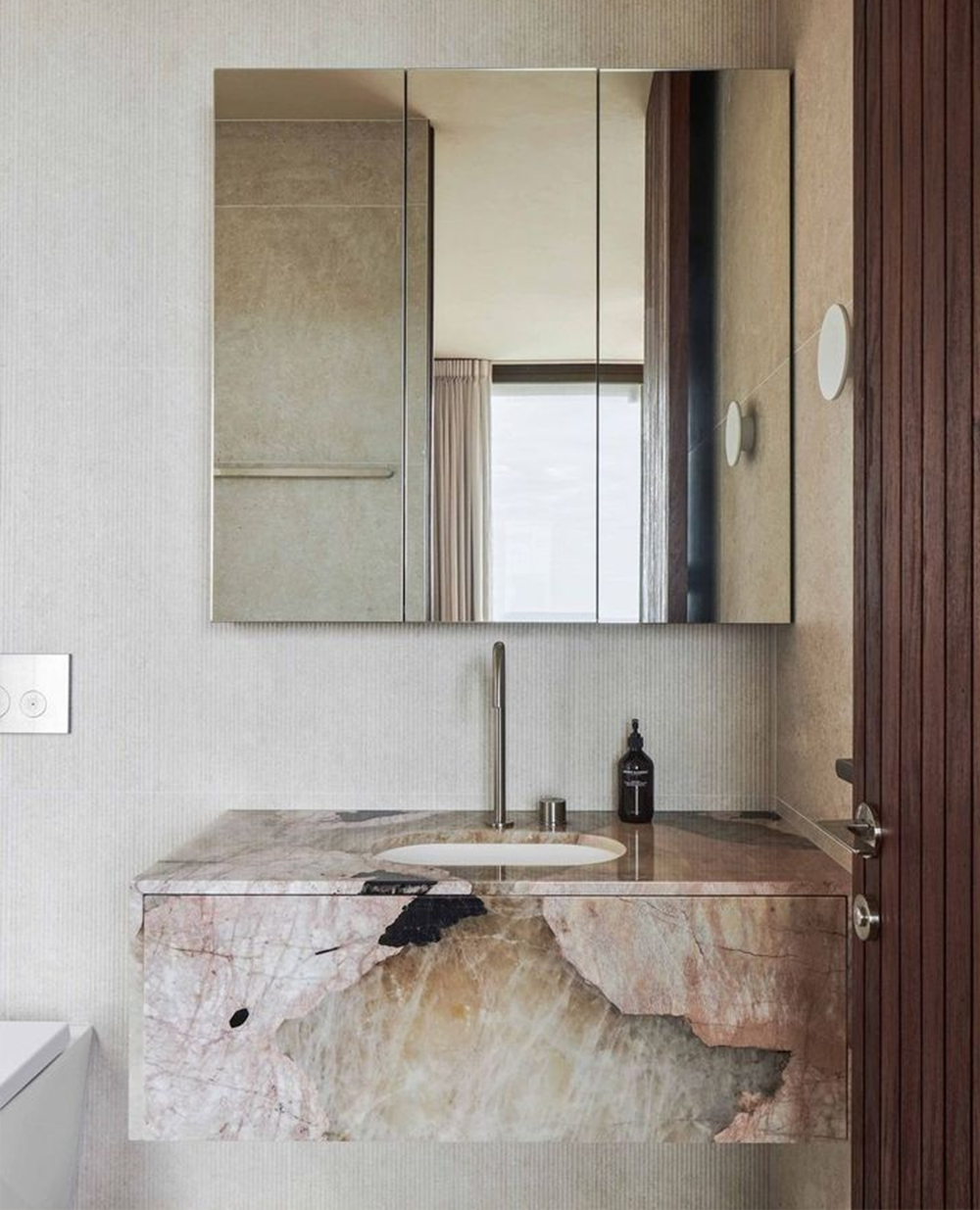
Timeless Aesthetic Value: How White Quartzite Provides Luminosity, Depth, and Premium Visual Impact
Light Refraction, Vein Clarity, and Undertone Consistency of Cristallo Bianco and Mont Blanc
The brilliant color of white quartzite comes from a very tight and compact crystal structure, which allows it to scatter light far more efficiently than marble, by as much as 30%. What adds to its beauty is its ability to glow from within and create depth under both natural and artificial light. Cristallo Bianco has a translucent background and soft gold veins that provide a warm rather than cold aesthetic. Mont Blanc has a more dramatic white background and dramatic grey patterns, making it ideal for bold accent walls. These stones are unique in that they have consistent patterns, unlike marble which has cloudy spots and random mineral veins. Quartzite's unique formation in nature allows designers to have predictable outcomes, unlike the random patterning found in marble. This is perfect for large installations, and quartzite is a favored option for designers.
Furthermore, quartzite's adaptability to both warm and cool lighting environments makes it a dependable option for high-end applications, ensuring that aesthetics stand the test of time.
The most recent uses of white quartzite have grown to utilize its long-lasting and beautiful characteristics, and not simply as countertops. In high-end designs, its vertical usage as full-height backsplashes allows for continuous vein patterns to run through the quartzite from the countertop and up and down the full height of the wall. These highly sought features standup outstandingly to stains and heat of busy kitchens. In design, some have used quartzite as an element to create backlit feature walls. Instead of creating an opening in the quartzite to hold the backlight, the natural materials/translucent properties create the desired effect. When placed behind the Cristallo Bianco quartzite, a natural and soft glow will light. This effect highlights and brings attention to the rich and detailed mineral patterns and transforms a plain wall feature into and eye-catching and attention roaming feature in hallways or dining nooks. Weather and climate ensure the outdoors remain beautiful. Exceptionally, quartzite will not crack during extreme temperature shifts, is resistant to the sun and weather fade, and is completely non-porous, and resistant to the absorbent qualities of water. In all of the surroundings and area, quartzite will maintain its aesthetics. Whether as a terrace, pool surround, or building exterior, all offer an elegant European design that will remain beautiful all season long. Additionally, quartzite maintains the same style throughout both the inside and outside of a space.
Additionally, quartzite's surface inhibits bacteria growth, which makes it an increasingly favorable option for steam showers and other humid environments where hygiene is a top priority.
This extensive range of applications enables designers to integrate form and function harmoniously, transforming quartzite from a mere surface material to an essential architectural component.
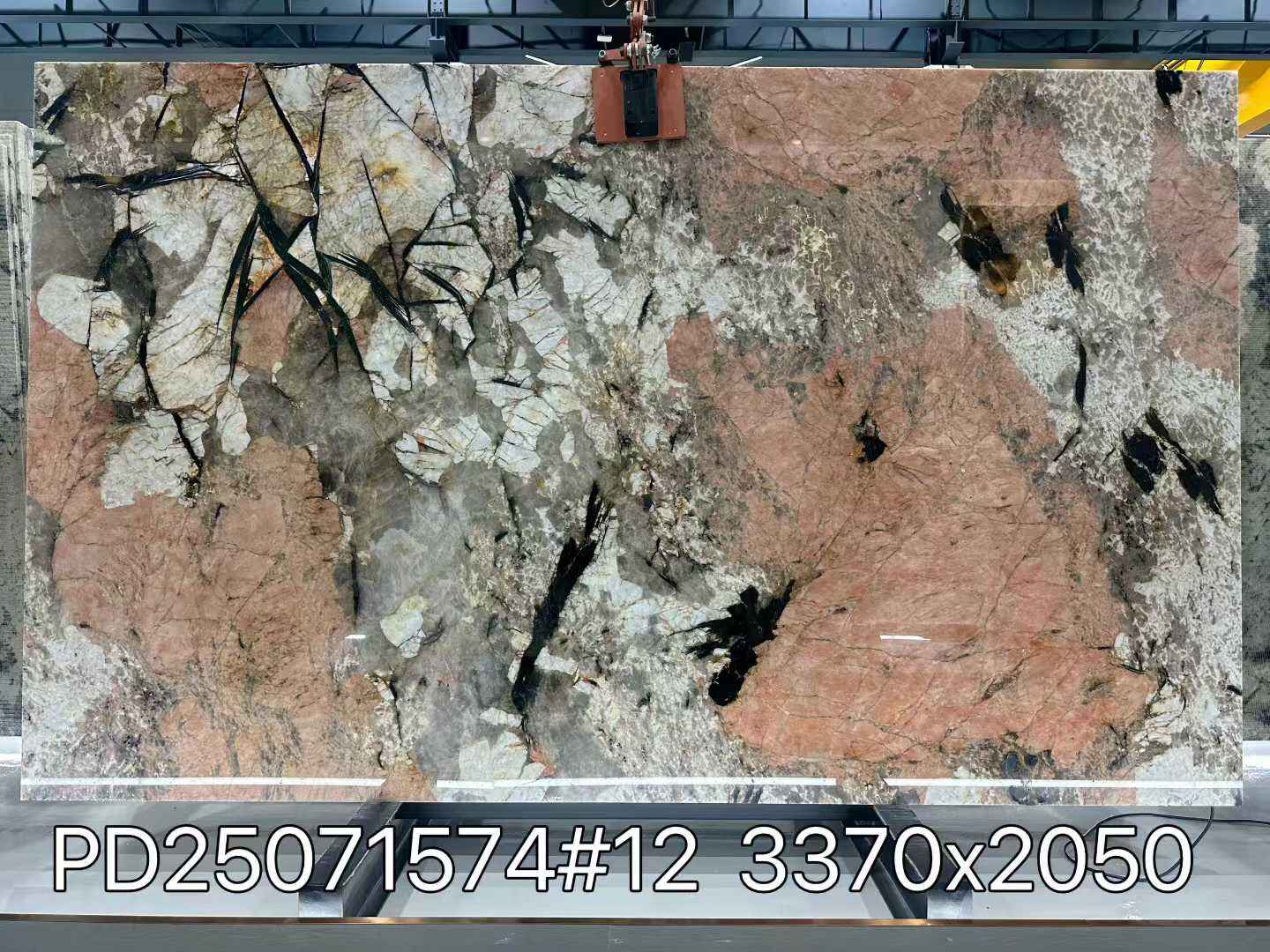
Choosing White Quartzite Options Based on Their Properties, Your Purpose, and Your Budget
Selecting a white quartzite involves understanding the material's characteristics and matching that with the intended use, the visual appeal, and budget constraints. For example, Cristallo Bianco is highly valued for its transparency, and is especially useful in applications where the stone is backlit. Mont Blanc is ideal for contemporary designs with wainscoting that has pronounced gray vein patterning. Taj Mahal is a good choice for transitional designs because of its earthy feel. For highly functional spaces such as kitchens, select stones with a high quartz content and low porosity, ensuring to review lab test results, as opposed to relying on sales rhetoric. For outdoor applications, select stones that are resistant to fading. An example is Super White, which has excellent weather resistance and maintains color. While high-end slabs are generally more consistent, there are many middle-range priced options that are still good quality, especially when appreciating that natural materials are variable.
Before any purchase, always see full slabs in their final destination, and in the same lighting. This exhibits vein pattern issues, color anomalies, and disproportionate slabs. This will save money and headaches down the line to determine if the slabs will fit together appropriately.
Most Frequently Asked Questions
Why is white quartzite considered durable, as durable as, or more durable than marble?
White quartzite is rated a 7 to 8 on the moh's hardness scale, and marble is rated a 3 to 5. For this reason, white quartzite is more durable as it is more resistant to scratches, acids, and thermal shock than white marble.
How do granite and quartzite compare in acid resistance?
As quartzite is more acid resistant than granite, quartzite is more resistant to staining than granite. Granite can deteriorate more quickly than quartzite.
What is Taj Mahal quartzite's competitive advantage in kitchens?
Because Taj Mahal Quartzite contains a high level of silica, it will not crack and will withstand the persistent heating and cooling cycles that occur in a kitchen.