
 EN
EN
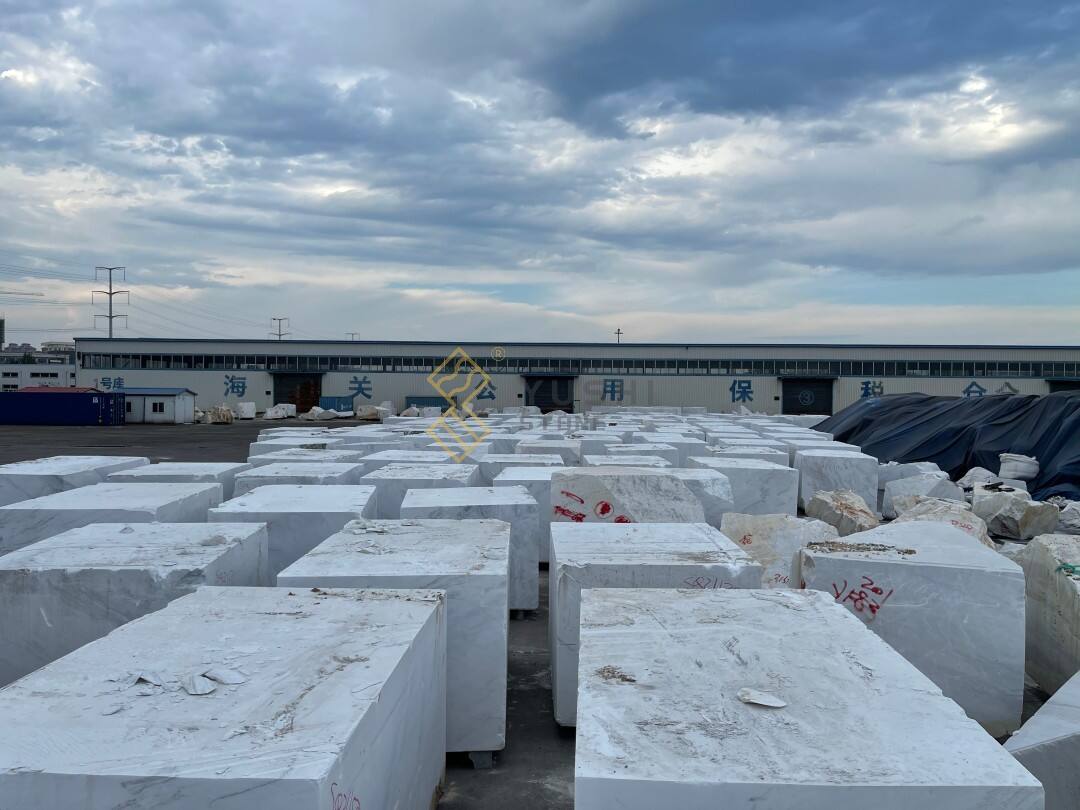
Verify Proven Experience and Market Reputation.
Review Project Portfolio and Client References for Real-World Reliability.
Checking the project portfolio of suppliers of stone blocks shows their ability to meet different requirements; for example, providing stone blocks for complex facades as well as for foundational structures. Ask for client references, especially for projects that encountered geological and logistical obstacles, and claim consistency and durability of service. According to a recent 2023 construction survey, 78% of architects choose suppliers whose documented case studies occur in the same climatic and situational contexts. Client references that speak directly to problems encountered on-site highlight or are indicative of operational reliability, and thus contribute to the risk of procurement for complex projects.
Cross-Check Industry Tenure, Third-party Reviews, and Recognition.
Longevity in the stone industry is synonymous with finesse in ethical quarrying methods and refinement. Suppliers with a minimum of 10 years in the industry show, on average, 12% less waste in comparison to new entrants, according to benchmarks set by the Geological Society. Cross-reference third-party platforms, including ISO-certified review aggregators, for unbiased feedback on consistency. Awards from the Natural Stone Institute, for example, are evidence of excellence in sustainability or innovations, and a dispute rate of less than 2% in Business to Business Arbitration is a sign of trustworthy and low-conflict settlement of issues.
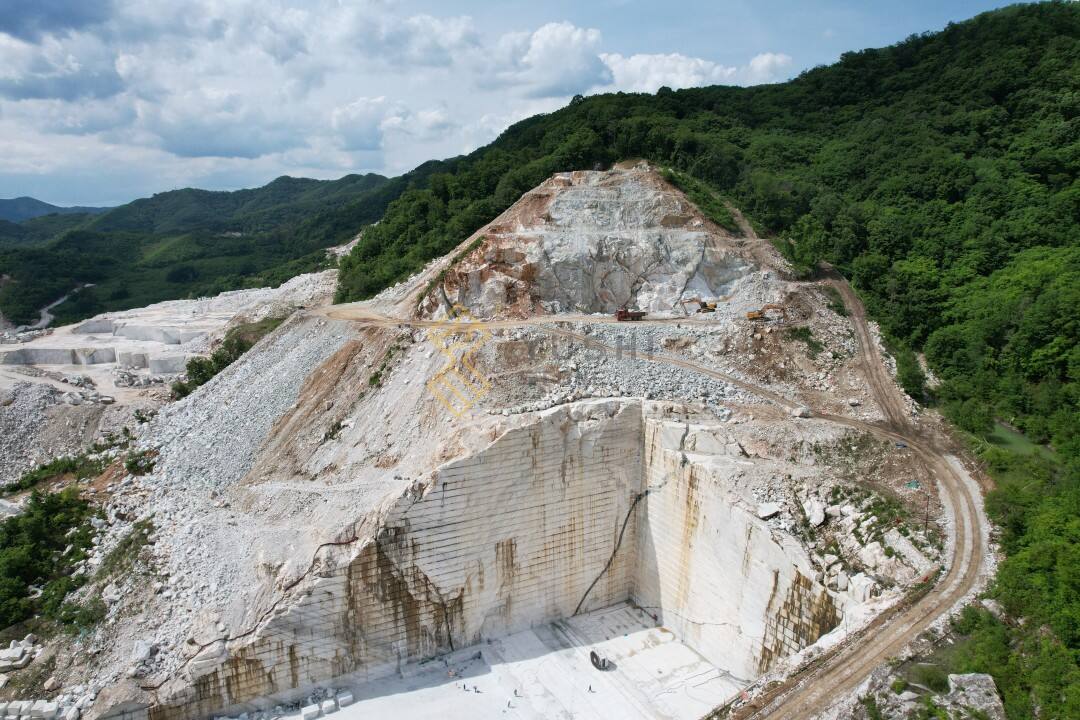
Assess Material Quality and Technical Compliance.
To establish the origin, density, and porosity of stone blocks, and to demonstrate geological transparency, a good stone blocks supplier will offer full geological documentation including the origin of the quarry, rates of absorption, and density. Granite with density of less than 2.63 g/cm3 may be vulnerable to weathering, while marble with a porosity rate of greater than 0.5% may not be suitable for highly trafficked areas. Do not accept anything less than a traceability certificate, which maps each block and shows the location of the quarry and the vertical position in the strata from which it was removed. These documents provide the assurance that large scale construction of the supplier's stone blocks will provide reliability and consistency in each of the blocks.
Certified Testing Reports: ASTM C568, EN 12440, and Batch-Specific Validation
We require recent, third-party lab reports proving compliance to either ASTM C568 (limestone) or EN 12440 (natural stone) standards. These reports should attest to compressive strength (greater than 100 MPa for structural purposes), abrasion resistance (in accordance to EN 14157), and frost resistance for that specific batch. As mentioned in the Construction Materials Journal (2023), using uncertified stone contributed to 34% of all structural failures in commercial buildings. Always cross-reference test data with actual shipments.
Evaluate Supply Chain Consistency and On-Time Delivery Performance
Lead Time Accuracy, Logistics Partnerships, and Contingency Protocols
Accurate lead times are vital, as delays cause expensive construction shutdowns and trigger contractual penalties. Adhering to this goal, the most reliable suppliers maintain 95% on-time delivery rates by strategically choosing trusted logistics partners who provide heavy-haul transport services. These suppliers offer real-time compliance with the construction phases of the project. Contingency protocols are equally important, and redundant quarry access paired with real-time GPS and adaptive routing based on the weather serve to protect your project execution plan. Leading quarries, for example, designate backup extraction sites when principal sources face geological delays—demonstrating operational resilience that protects your timeline. Lead time deviation reports show the results of this triad—precision scheduling, trusted partnerships, and adaptive risk mitigation.
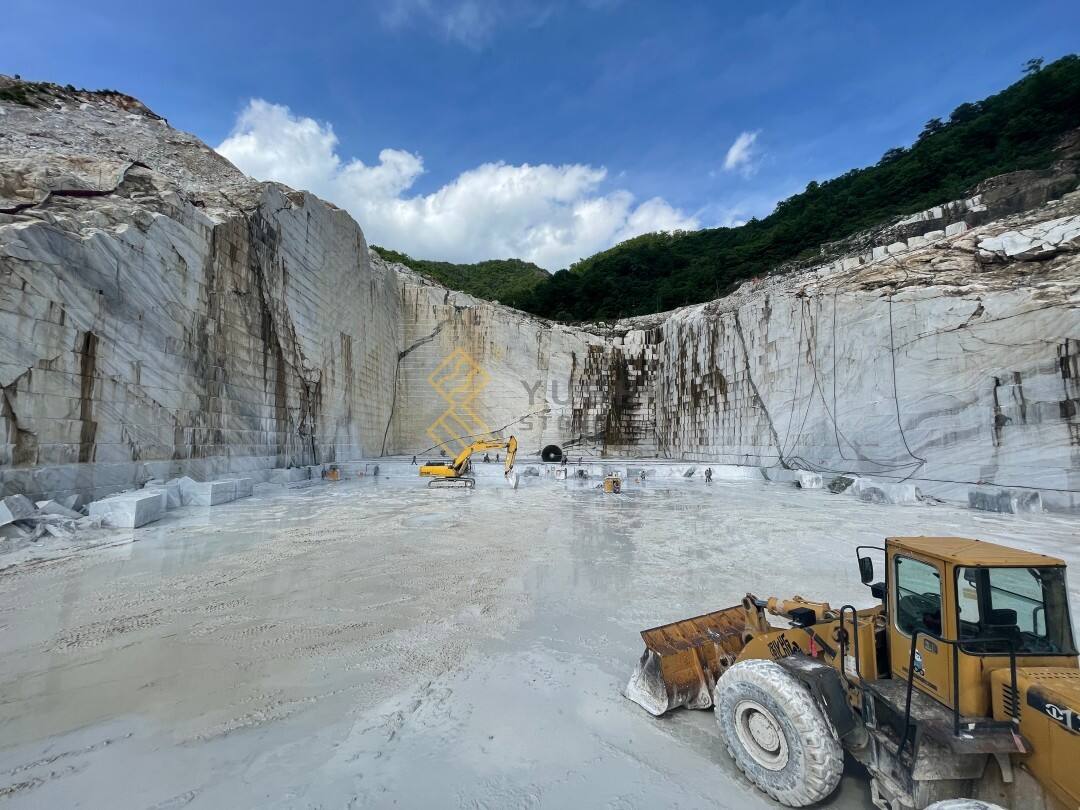
Confirm Ethical Sourcing, Certifications, and Reg ulatory Compliance
Seek suppliers who provide clear documentation of fair ethical quarrying and hold verifiable social and environmental certifications. If they are compliant with SA8000 (fair labor) and ISO 14001 (environmental management) solely rely on independent audits. In a 2023 survey of the industry, 42% of buyers had previously encountered overstated sustainability claims, reaffirming the importance of validation. Ensure the supplier of your stone blocks makes progress in compliance with the Lacey Act, the Modern Slavery Acts, and other pertinent procurement laws in your area. This is to mitigate any impact on your reputation, as well as to maintain balance in your procurement planning and corporate responsibility.
FAQ
Q1: Why is it important to check a stone blocks supplier's project portfolio?
What a supplier can offer in terms of a project portfolio is a clear indicator of their capability to deliver value across projects and demonstrate an ability to respond to their customer's requirements in a bespoke manner.
Q2: What certifications should a reliable stone blocks supplier provide?
These suppliers should provide ASTM C568, EN 12440, and compliance to SA8000 and ISO 14001.
Q3: How can lead times affect construction projects?
Lead times that are not met can lead to the overall construction schedule to be compromised, increase costs, and indirectly result in other losses such as penalties for breach of contract. The best way to ensure the risks identified are managed is to work back from the schedule and have other existing plans in place to mitigate the risks.
Q4: How does ethical sourcing benefit your procurement process?
Sourcing goods ethically will place your company in good stead to protect your corporate social responsibility with the corporate reputation safe in the knowledge the goods were sourced in the markets on an ethical and environmentally safe basis.