
 EN
EN
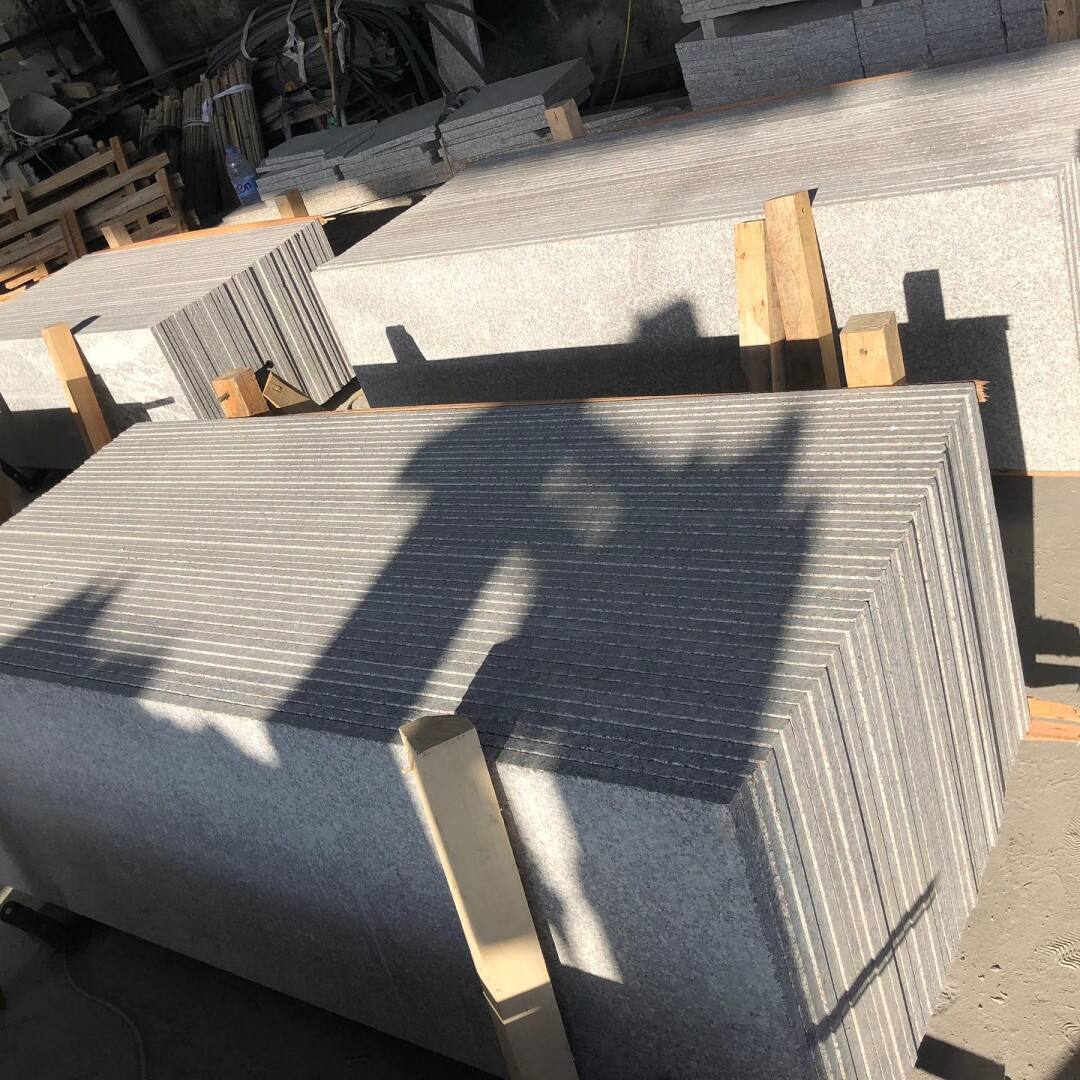
The Importance of Reliability When Selecting a Granite Slab Manufacturer
Choosing an inconsistent granite slab supplier adds enormous financial and structural risks. The remediation cost for a single granite slab failure in a megaproject can reach $ 500,000. This does not include the costs of project delays, legal suits, and damage to the firm’s reputation. This was caused by issues such as moisture-induced warping, concealed fissures failing, and structural integrity issues caused by inconsistent thickness.
Poor reliability can be measured beyond financial costs through:
The existence of flooring and façade slabs causes slips, falls, and fractures.
Uneven slabs should be stained, finished, and colored in an even pattern.
Disruption and delays in the supply of goods for the project result in unstable workflows.
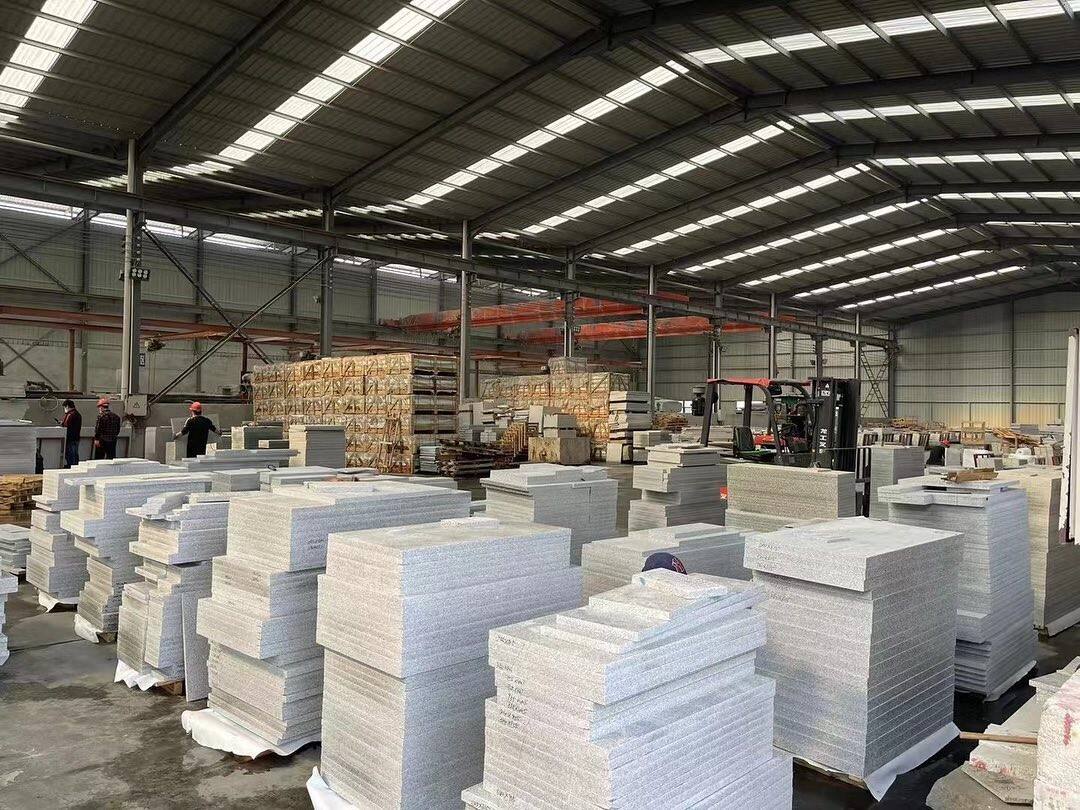
Verified reliability offers:
Long-term, low-maintenance slabs that have been quarried and processed can last for more than 50 years.
Reliability in slab construction
The provision of quarry logs causes the slabs to be clean and safe.
The client's satisfaction and structural integrity of the unit depend on risk management. Reliability should be sourced responsibly, but it is not optional.
5 Key Vetting Criteria for a Reliable Granite Slab Manufacturer
Certifications and Full Traceability: ISO 9001, ASTM C615, and Quarry-to-Fabrication Verification
Look to work with manufacturers who possess the ISO 9001 and ASTM C615 certifications. These show their commitment to quality assurance systems and the required durability for granite dimension stones. Full traceability from quarry to slab in fabrication is crucial, and companies should supply documentation for ethical sourcing and consistent batching. Manufacturers who cannot show these certifications can result in material defects that cost businesses an average of $740,000 in project delays and replacements, according to the Ponemon Institute (2023).
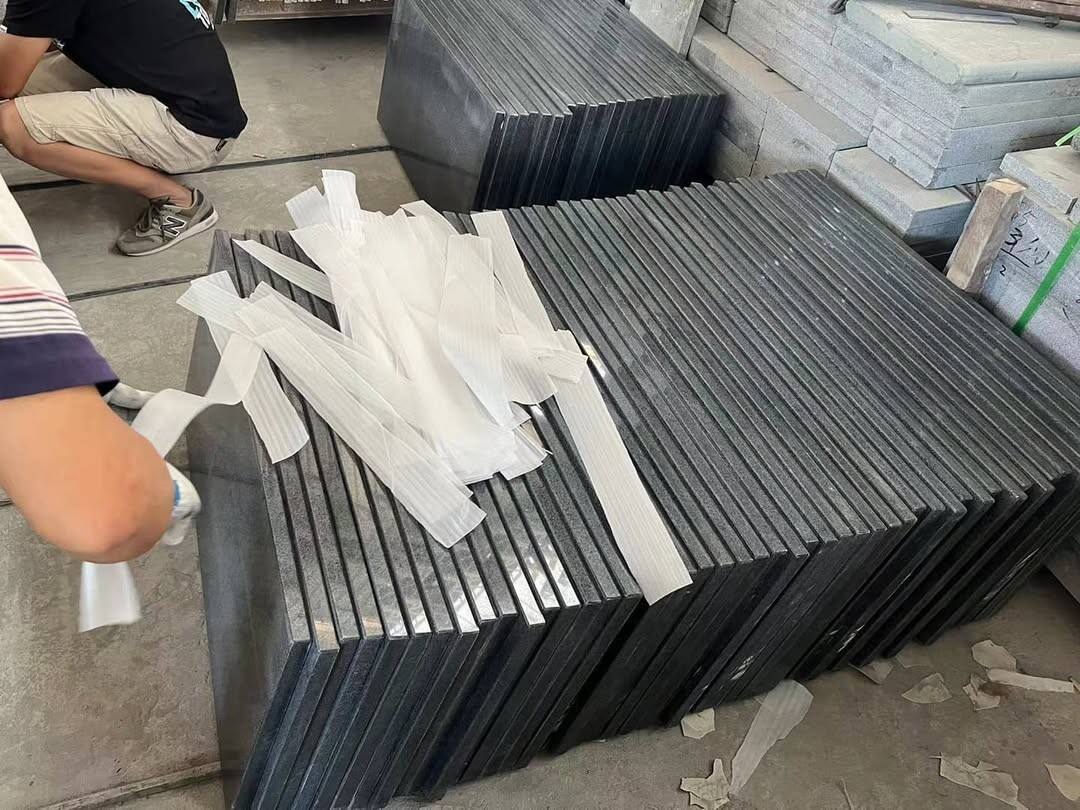
Production Capacity Aligned with Your Volume Needs
Make sure to verify the manufacturer’s production throughput capabilities for the volume needed for your project before committing to contracts. Select from these assortments when needed:
Ask for their monthly slab production and the lead times for custom orders.
Evaluate the scalability of their equipment (i.e., gang saws for bulk cuts).
Check their capacity for raw materials to prevent shortages during a project.
A top construction industry report noted that 68% of delays are caused by supplier capacity mismatches. Always seek suppliers who produce at least 30% more than your required volume.
Transparent Quality Control: Slab Grading, Moisture Testing, and Edge Inspection Standards
Request proof for all inspection stages:
Graded slabs: clear classification (i.e. Premium, Commercial) with respect to veining, fissures, and evenness
Moisture testing: under 0.4% absorption per ASTM C97 for stain resistance
Edge scans: ultrasonic checks for microfractures
Withholding quality documentation is a severe reliability gap. Industry information shows slabs that do not meet moisture testing do not pass in 5 out of 5 humid environments.
Biggest signs a granite slab manufacturer isn't reliable
An example of poor control quality is an uneven slab thickness. A manufacturer can lie about slab thickness by treating it with resin to cover up unevenness. They are also likely to hide a quality control issue by not providing a quarry certificate or by not disclosing which quarry the slab came from. If there is no batch documentation, then there is also cause for concern. 30% of slab defects are caused by suppliers covering up inaccurate slab thickness by not disclosing natural fissures with resin (Stone Industry Report, 2023). Other major signs of concern are:
Refusing to let you inspect the factory: Virtual and/or on-site inspections are not allowed because they have a revealing flaw in the process
Letting a third party perform cutting or polishing: Having a third party cut or polish the slab leads to terrible results
Not explaining why the moisture test was performed: Genuine manufacturers disclose the absorption rates via the ASTM C97 testing process
Putting undue pressure on you: Unwillingness to accept a payment until an order is placed shows tremendous financial pressure
Claims of financial pressure to maintain “exclusive quarries” are meaningless and nearly always set the manufacturer up for financial failure. A single bad slab can derail a $50,000 project. A good manufacturer can provide referenced and verifiable customers, but if they have patented and secret methods, that they will not disclose, you really cannot trust them and they are not going to keep their end of the partnership.
Request slab samples and verify batch documentation and origin
We need sample slabs and batch documents which include quarry GPS and quarry pickup date. This is important because it helps us determine the consistency of the material and structures as well as its regulations with sourcing. We check the sourcing certificates against geological database international to ensure the documents are legit.
Review quarry and facilities audits
With the help of live drone technology, we are taking facility audits with the focus on slab production, which we are allowing a margin of five millimeters. Also, we are focusing on the moisture control which needs to be at 3% and an audit on recycling production.
FAQ
Why is reliability so important in choosing a granite slab manufacturer?
Reliability confirms the safety and consistency of the slabs. Unreliable suppliers can lead to safety, inconsistency in the slabs, the project goes longer than planned which causes the cost to increase.
What certifications should I look for in a granite slab manufacturer?
They should have an ISO 9001 certification and comply with ASTM C615 standards and should be able to provide documents showing the full trace.
What are the warning signs of an unreliable granite slab manufacturer?
Products of advanced age and inconsistency in the thickness of the slabs should start the red flag. Control moisture test results should be provided. If there is no transparency in the control of the production and payment is required before production, then they are not a trustworthy supplier.
How can I verify a supplier's reliability?
Request slabs samples with documentation that can show us the trace of their origin. Then we shall review quarry and facilities audits to assess operational.
What is the effect of supplier capacity discrepancies on projects?
Discrepancies in supplier capacity result in delays in 68% of cases reported in the construction industry. We recommend selecting a supplier whose production capacity exceeds the requirements by at least 30% to cater to contingencies.